
Destination Spotlight
Powered by Realogics Sotheby's International Realty
The Series
Where Washington Residents Go Next
Washington is an exceptional place to build wealth and a beautiful place to call home but expanding tax policies including capital gains and estate taxes, and the newly passed “Millionaire’s Tax" is prompting high net-worth residents to ask a simple question: what if our next residence is somewhere else? This monthly spotlight is built to answer that question — thoughtfully, market by market and explore how Washington residents can benefit from dual ownership or permanent relocation. We'll discover the advantages of living in Nevada, Arizona, Texas, Idaho, Utah, Tennessee, Wyoming, and Florida. If you or your clients are considering a move to a tax-friendly state, we can connect you with a local real estate advisor and expert who will guide you through the process of finding your next home or tax haven in these lifestyle rich destinations.
Jackson Hole
The Last of the Old West

A Rare Setting with Real Opportunity
With Grand Teton National Park and the Tetons as its focal point, Jackson Hole is defined as much by its views as it’s access to endless recreational opportunities. The majority of buyers come to the region for its lifestyle elements, notably it’s world class skiing, but multi-season recreation is a cornerstone of living in Jackson Hole.
Jackson Hole has self-identified as “the last of the old west” for decades, and many believe that it offers a more authentic sense of community and understated character than other ski-centric markets in the West. Wyoming’s favorable tax environment remains a key differentiator among buyers when compared to other more resort-focused mountain communities.

Explore the Opportunity

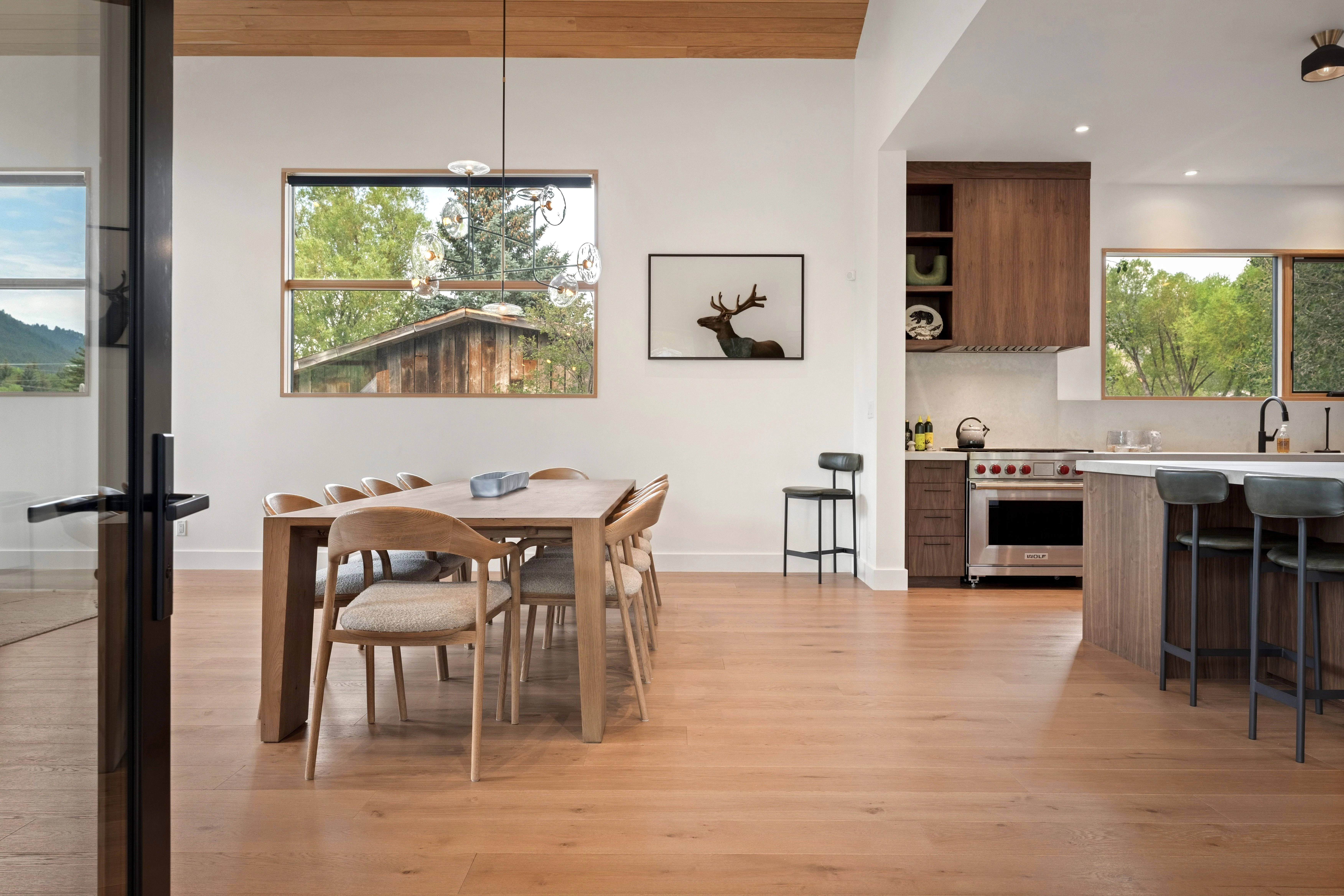
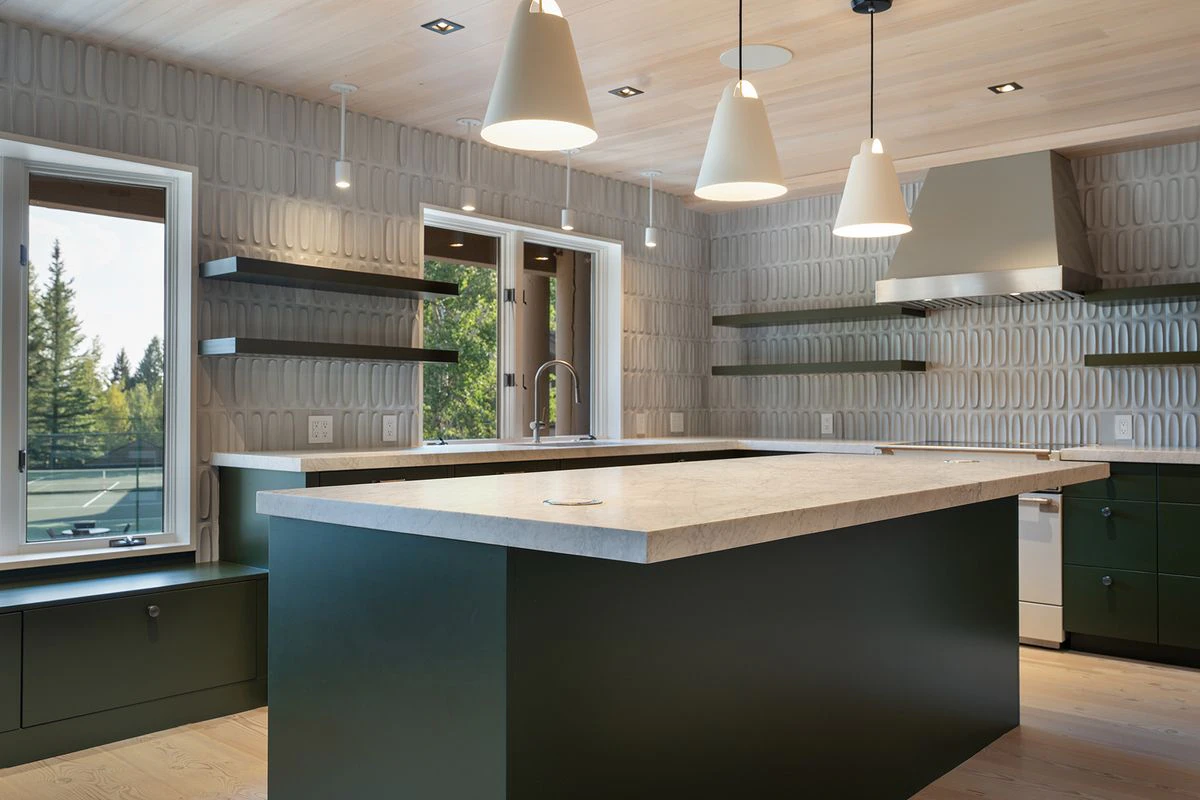


515 E Hansen Avenue
Jackson, WY 83001
$9,750,000
Rob DesLauriers
7020 N Bar B Bar River Rd
Jackson, WY 83015
$37,500,000
Tom Evans & Ashley DiPrisco


590 W Lodge Cottage
Jackson, WY, 83001
$4,850,000
Fred Harness
7590 Obsidian Road
Teton Village, WY, 83025
$5,975,000
Bill Van Gelder
765 Teton Landing Lane
Jackson. WY 83001
$6,065,000
Betsy Campbell
Adventure Abounds
The Jackson Hole region (Teton County) provides a multi-season destination for lifestyle- and recreation-oriented buyers that is bolstered by a very tax-friendly environment. The area is viewed as a cultural and philanthropic hub within the state, and within the Northern Rockies as a whole. Jackson Hole offers an ideal combination of rustic and refined experiences, and does so equally well. With approximately 97% of the county comprised of public land (national parks, national forest, etc.) or privately conserved lands, publicly available property in Teton County is a finite supply. Day to day life is tied to the outdoors with multiple perks making the region the perfect place to adventure.
Lifestyle Perks
Parks Convenient access to Grand Teton National Park, Yellowstone National Park and hundreds of thousands of acres of national forest lands.
Ski Resorts Three ski resorts (including perennial favorites Jackson Hole Mountain Resort and Grand Targhee Resort, and the beloved “town hill,” Snow King Mountain)
Fishing and Recreation The Wild and Scenic-designated Snake River provides world-famous fly fishing, wildlife habitat and recreational opportunities.
Home to the National Elk Refuge and two national parks, the Jackson Hole region is a part of the Greater Yellowstone Ecosystem and is a prominent destination for wildlife viewing, including native elk, bison and grizzly bear populations.
Food Scene Teton County is home to a vibrant culinary scene that is not commonly found in a community of this size.

Culture and Community
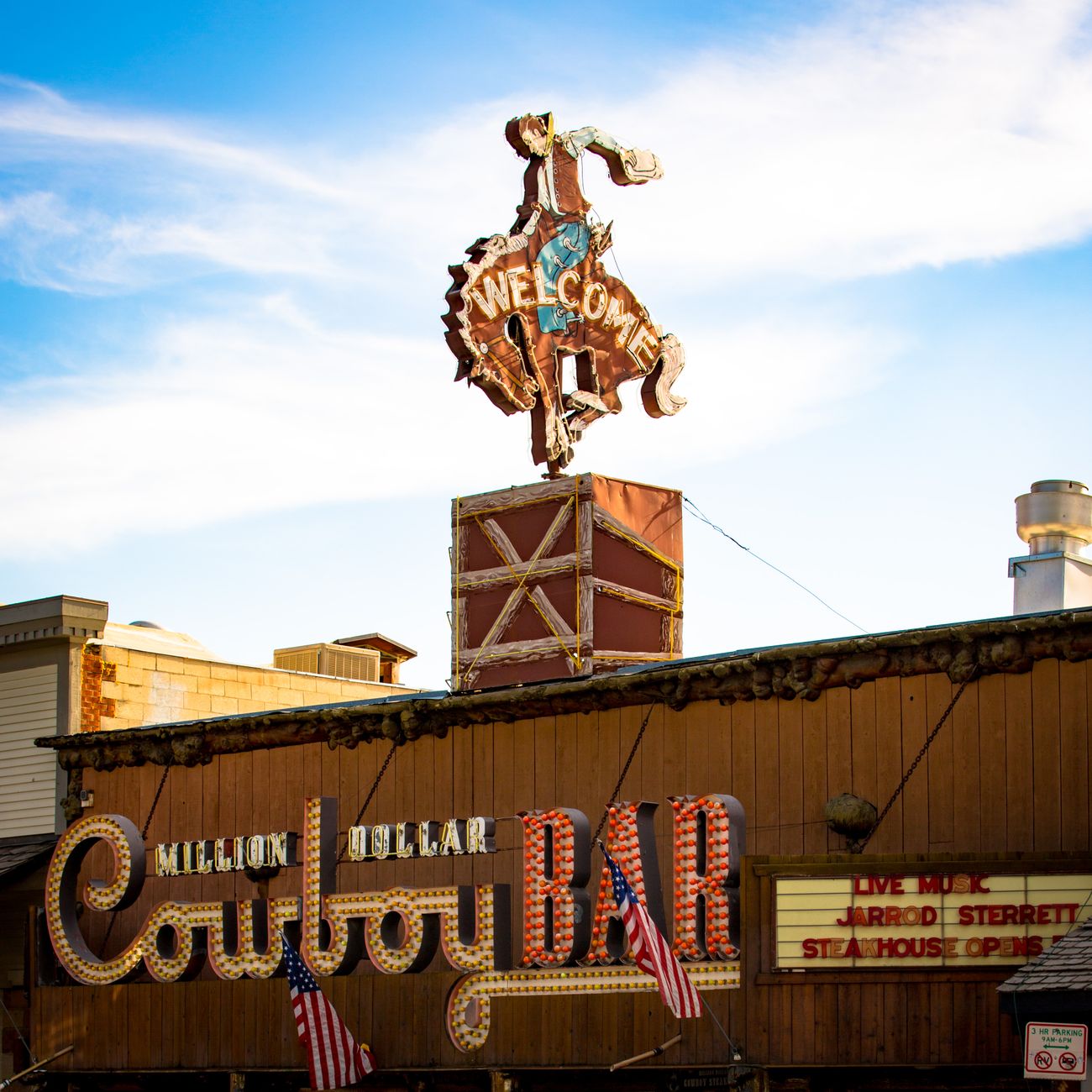
Jackson Hole's culture is shaped by the meeting of its Old West heritage and its status as a world-class outdoor destination. The valley's ranching and homesteading roots still show in the cowboy bars, rodeos, and the wooden boardwalks of Jackson's town square, while the surrounding Grand Teton National Park, Yellowstone, and the Teton Range draw climbers, skiers, anglers, and wildlife enthusiasts from around the globe. The community tends to be close-knit and fiercely protective of the landscape, with a strong conservation ethic and a deep appreciation for open space and wildlife, from elk and bison to moose and wolves. Seasonal rhythms define daily life: ski bums and ski patrol staff give way to river guides and park workers, and many locals build their lives around powder days and summer trailheads. The area also supports a thriving arts scene, including the National Museum of Wildlife Art, galleries, the Grand Teton Music Festival, and local theater. At the same time, extreme wealth and sky-high housing costs have made affordability a defining challenge, pushing many workers to live over the pass in Idaho and prompting ongoing community conversations about how to preserve the valley's character and keep it livable for the people who make it run.
Old Bill’s Fun Run: A community race, gathering and fundraising event in its 30th year that has raised more than $306M for community nonprofits.
Jackson Hole Fall Arts Festival: nearly two weeks of art events, gallery walks, auction and more. National Wildlife Art Museum Jackson Hole History Museum, and the interpretive/educational components of GTNP and Yellowstone help to preserve and educate on the history of the valley.
Jackson Hole People’s Market and Jackson Hole Farmer’s Market events introduce local produce and producers to the community and visitors in summer and winter.
Snow King summer concert series “King Concerts”, and JHMR’s spring “Rendezvous Music Festival” concerts, and the Million Dollar Cowboy Bar’s “Million Dollar Music Fest” all create a compelling live-music scene.
Tax and Financial Benefits
Wyoming is widely regarded as one of the most tax-friendly states in the country. It has no individual or corporate income tax, and no estate or inheritance tax. Its tax system ranks 1st overall on the Tax Foundation's 2026 State Tax Competitiveness Index. Because there is no income tax, the state also doesn't tax investment income, including capital gains, and retirement pensions and Social Security benefits are exempt at the state level (federal taxes still apply). Wyoming instead leans on other revenue sources. The state sales tax is 4 percent, with an average combined state and local rate of 5.36 percent, and local add-ons can bring the maximum to about 6 percent. The effective property tax rate on owner-occupied housing is 0.53 percent, which is low by national standards, though bills vary by county. The state also benefits from mineral severance taxes on coal, oil, and natural gas, which help fund government without burdening residents as heavily. Some additional perks include a 50% property tax exemption for homeowners 65 and older, currently scheduled through July 1, 2027, and raw groceries being exempt from state sales tax. For business owners, the absence of corporate income tax, plus Wyoming's reputation for LLC and trust-friendly laws, makes it a popular place to form entities.
No state income tax on personal or corporate income.
No inheritance tax or estate tax.
Dynasty trusts: In Wyoming, you can shield your real estate from federal estate taxes for up to 1,000 years through a dynasty trust. Multiple generations can make use of and enjoy the property, without having to pay estate taxes or worse, having to sell the property to pay the taxes. A key point to remember: The trust must be administered in Wyoming.
No state gift tax: Somebody who owns property in Wyoming can ‘gift’ that real estate to their heirs without having to worry about paying a state gift tax.
No tax on out-of-state retirement income: Wyoming doesn’t tax retirement income that’s earned outside of Wyoming.
Low property taxes: Wyoming has very low property taxes compared to other states. The taxes that you do pay here are based on the assessed value of the property
No excise taxes: When you fill-up your car or buy groceries in Wyoming, you won’t pay any state tax on either.
No tax on mineral ownership: If you own minerals, you won’t pay a tax on it like you would your home
No intangible taxes: Wyoming doesn’t make you pay a tax on financial assets like stocks and bonds.
No tax on the sale of real estate


Getting There
Transportation to (airlines and airports including private): Alaskan offers peak-season direct flights to JAC (the only US airport within a national park) in the summer and winter, and the airport is also home to a FBO with full flight services for private aviation.
Flight Services
Flight Schedule
Middle Tennessee
Luxury Relocation Meets Southern Charm

Lifestyles Converge in Middle Tennessee
Nashville and Middle Tennessee offer a distinctive combination of sophisticated city living, established suburban communities, scenic countryside homes and a favorable business and tax environment. Middle Tennessee's luxury market extends well beyond downtown Nashville. Residential options include established Nashville neighborhoods such as Belle Meade, Green Hills and Forest Hills; Williamson County communities including Brentwood and Franklin; lake communities like Hendersonville and more pastoral settings in Leiper's Fork, College Grove and Thompson's Station. Properties range from historic estates and contemporary architecture to luxury condominiums, gated golf communities, equestrian properties, new construction and large-acreage homes.

Explore the Opportunity

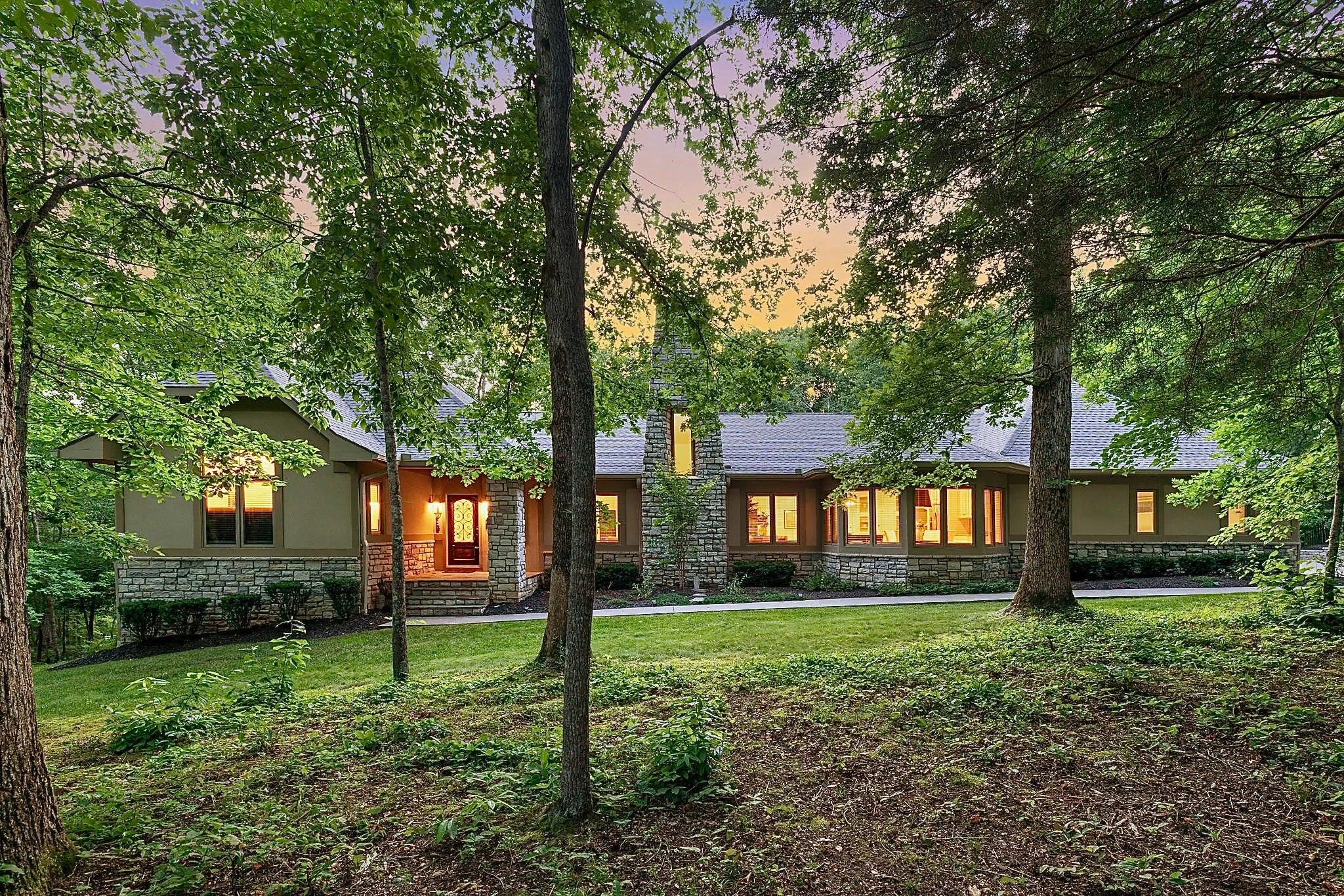

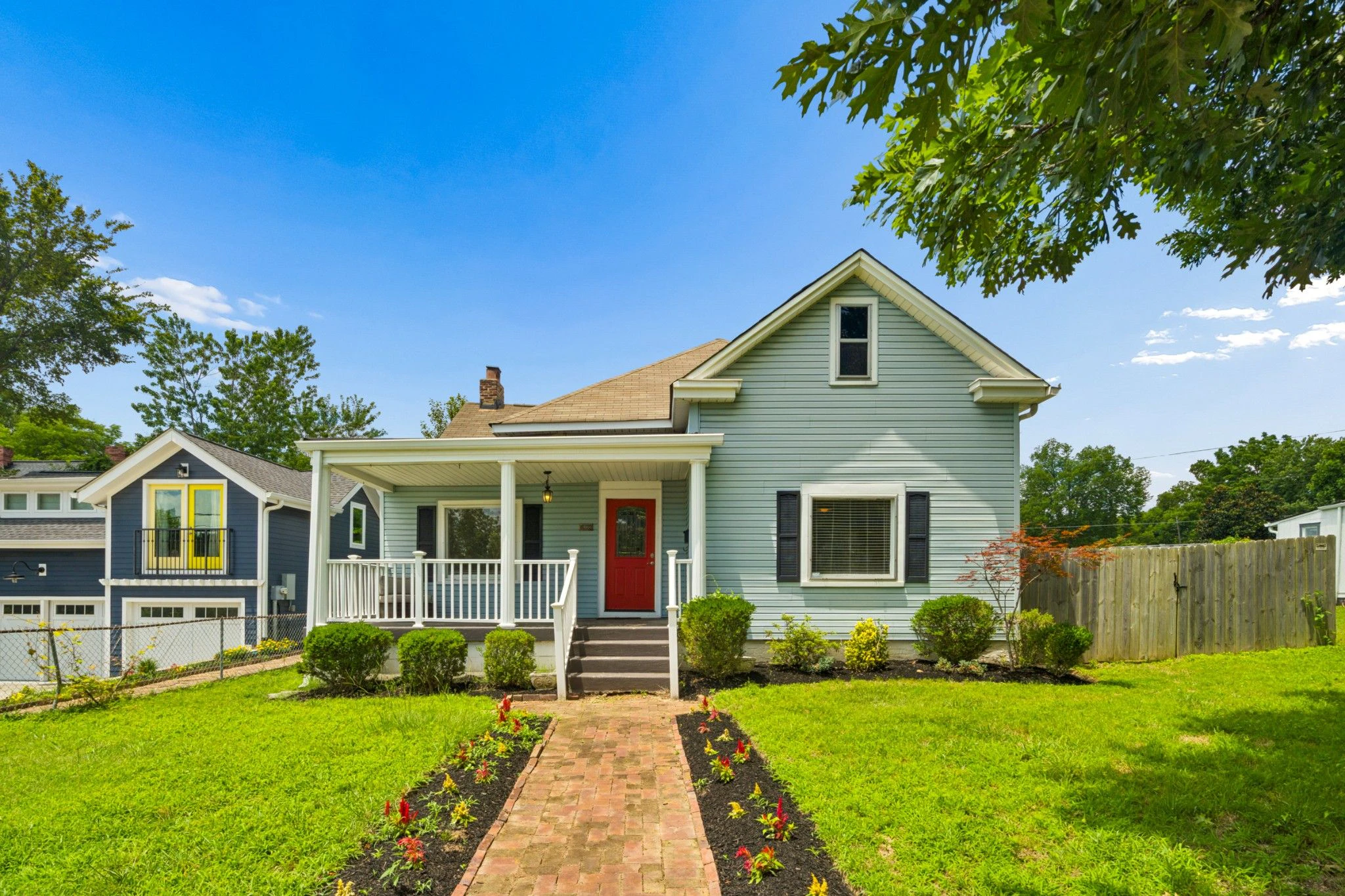

1003 Champion Hills Drive Kingston Springs, TN 37082
$1,899,500
Sarah Beth Litzenberg
512 Stonewall Way
Brentwood, TN, 37027
$1,899,000
Kelly Ladwig
Sara Myers
810 Porter Road
Nashville, TN, 37206
$959,000
Bobby Johnson
4000 Wallace Lane
Nashville, TN 37215
$2,550,000
Sara Ludlam
Missy Brower


8079 Mountaintop Drive
Lot 16010,
College Grove, TN, 37046
$7,250,000
Erin Johnston
1101 Paris Ave,
Nashville, TN, 37204
$2,850,000
Nathan Matwijec
Alex Sloan
160 2nd Ave S, U-1602
Nashville, TN 37201
$2,500,000
Jenny Telwar
The Best of All Worlds
Middle Tennessee offers wonderful quality of life with a nationally recognized culinary and entertainment scene, professional sports, acclaimed healthcare institutions, universities, extensive parks and greenways, four-season outdoor recreation, lakes and surrounding countryside.
Four Distinct Seasons Middle Tennessee experiences four distinct seasons, with colorful springs and falls, warm summers and generally moderate winters.
Extensive Outdoor Recreation The region offers parks, greenways, hiking, cycling, boating and paddling, along with numerous state and regional recreational areas.
Golf and Equestrian Amenities Middle Tennessee includes numerous golf courses and private clubs as well as equestrian facilities and properties offering acreage suitable for a variety of outdoor pursuits.
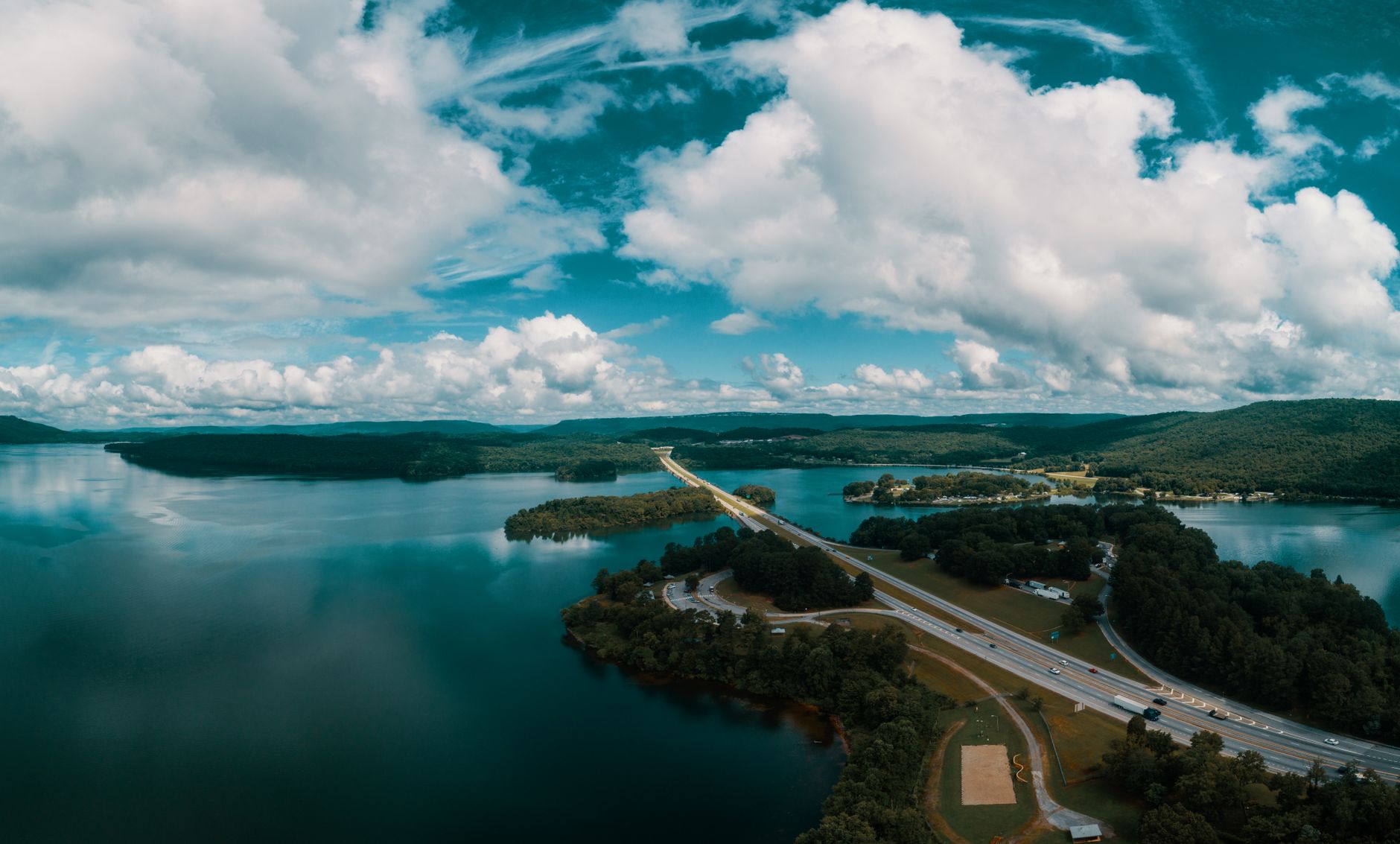
Lakes and Countryside Old Hickory Lake, Percy Priest Lake, the Natchez Trace Parkway and the rolling countryside surrounding Nashville provide access to boating, hiking, cycling and other outdoor recreation.
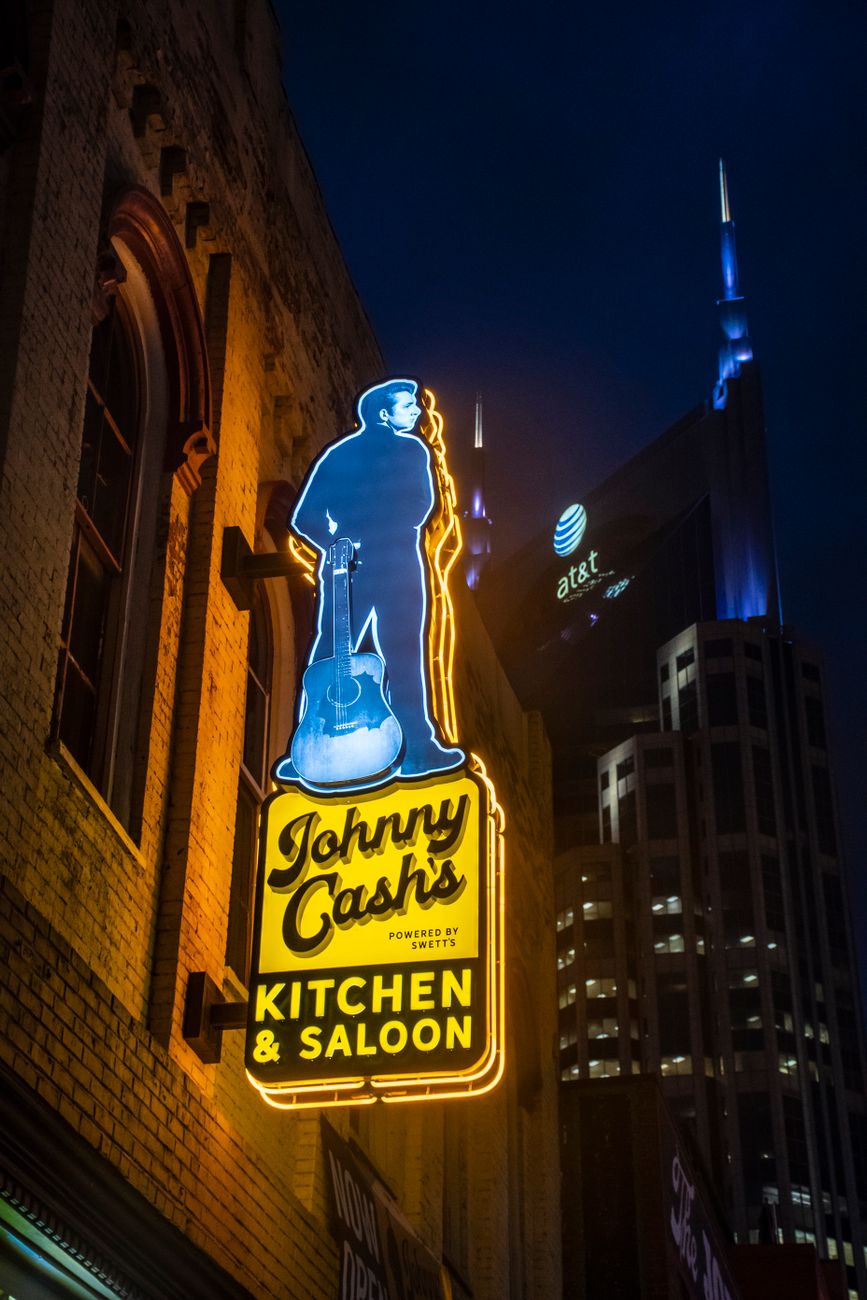
Dining, Music, Sports and Entertainment The region offers an extensive restaurant scene, live music spanning numerous genres, professional football, hockey and soccer, performing arts, museums, concerts and major events.

Culture and Community
Nashville and Middle Tennessee offer a rich tapestry of culture and community that extends far beyond the region's well-known music scene. From the songwriters and creatives shaping the city's artistic identity to the nonprofit organizations strengthening its civic fabric, from top-tier universities to nationally recognized healthcare institutions, the area draws people who want more than just a place to live, they want a place to belong. Add to this a collection of distinctive neighborhoods, each with its own character, architecture and lifestyle appeal, and it's easy to see why relocating buyers find so many ways to put down roots here. Whatever draws you to Middle Tennessee, there's a community ready to welcome everyone.
Music and Creative Culture Nashville's creative economy encompasses songwriting, recording, music publishing, visual arts, design, fashion and entertainment.
Philanthropic and Nonprofit Community Middle Tennessee is home to numerous nonprofit, charitable and civic organizations supporting a broad range of community initiatives.
Higher Education The region includes Vanderbilt University, Belmont University, Lipscomb University, Tennessee State University, Middle Tennessee State University and other higher-education institutions.
Healthcare Nashville is a major center for the healthcare industry and is home to Vanderbilt University Medical Center as well as numerous hospitals, specialty practices and healthcare organizations.
Distinctive Communities Belle Meade, Green Hills, 12 South, East Nashville, Brentwood, Franklin, Leiper's Fork and other Middle Tennessee communities offer different combinations of architecture, restaurants, retail, recreation, residential density and proximity to area amenities.
Relocating buyers can explore these communities according to their individual housing criteria and lifestyle priorities.
Tax and Financial Benefits
Middle Tennessee offers luxury consumers an attractive combination of financial flexibility, lifestyle amenities, accessibility and residential choice. The region offers luxury consumers an attractive combination of financial flexibility, lifestyle amenities, accessibility and residential choice.
For buyers relocating from Washington, the region can offer greater purchasing power, opportunities for additional land and privacy, and access to the amenities of a major metropolitan area while providing a wide range of residential settings.
No Estate or Inheritance Tax. Tennessee does not impose an individual state income tax on wages and salaries and does not impose a state estate or inheritance tax. Washington also does not impose a broad individual income tax on wages; however, Washington's taxation of certain long-term capital gains and its estate-tax structure can create meaningful differences for some high-net-worth households. Individual tax circumstances should be evaluated with qualified tax and legal advisors.
Significance for Buyers
Tax Environment: Tennessee's tax structure may offer advantages depending upon a buyer's income, investments, estate and individual financial circumstances.
Luxury Real Estate Options: The market offers opportunities for additional square footage, acreage and privacy at a variety of luxury price points.
Economic Base: Nashville has a diverse economy. It is an important center for healthcare, technology, finance, music and entertainment, higher education, professional services and corporate operations.
Economic Trends:
West Coast corporate investment continues to expand in Middle Tennessee. Major companies with West Coast roots have established or expanded operations in the region, including Oracle, In-N-Out Burger and Starbucks, reinforcing Middle Tennessee's growing connection to West Coast businesses and talent.
Corporate relocations and expansions are contributing to inbound mobility. As companies establish regional hubs, offices and operations in Middle Tennessee, the market continues to welcome employees and executives relocating from other parts of the country, including the West Coast.
Nashville's diversified economy continues to attract investment. Long recognized as a healthcare and music industry center, the region has expanded its presence in technology, financial services, advanced manufacturing, hospitality and corporate operations.
Luxury buyers continue to prioritize space and flexibility. Interest remains strong for properties offering acreage, privacy, home offices, newer construction and indoor-outdoor living.
More inventory is creating additional opportunities for buyers. Increased selection in many segments allows relocating buyers more time to compare properties and communities, while distinctive and appropriately priced luxury homes continue to attract interest.


Getting There
Getting to Nashville and Middle Tennessee is easier than many buyers expect, thanks to convenient air access that connects the region to destinations across the country and around the world. Whether relocating from across the state or across the globe, newcomers benefit from well-connected air hubs that make visits home, business travel and welcoming guests simple and stress-free.
The primary air hub for the region is Nashville International Airport (BNA), located about 8 miles from downtown Nashville. BNA has seen major growth in recent years, offering both domestic and a growing number of international nonstop flights, along with a significant terminal expansion project underway to accommodate the region's rapid growth.
For buyers who fly private or use smaller aircraft, the area is also served by a few general aviation and reliever airports, including:
John C. Tune Airport (JWN): General aviation, west Nashville
Smyrna Airport (MQY): General aviation, Rutherford County
Utah
The Case for Moving to the Beehive State
Utah is no longer the Mountain West's Best-kept Secret
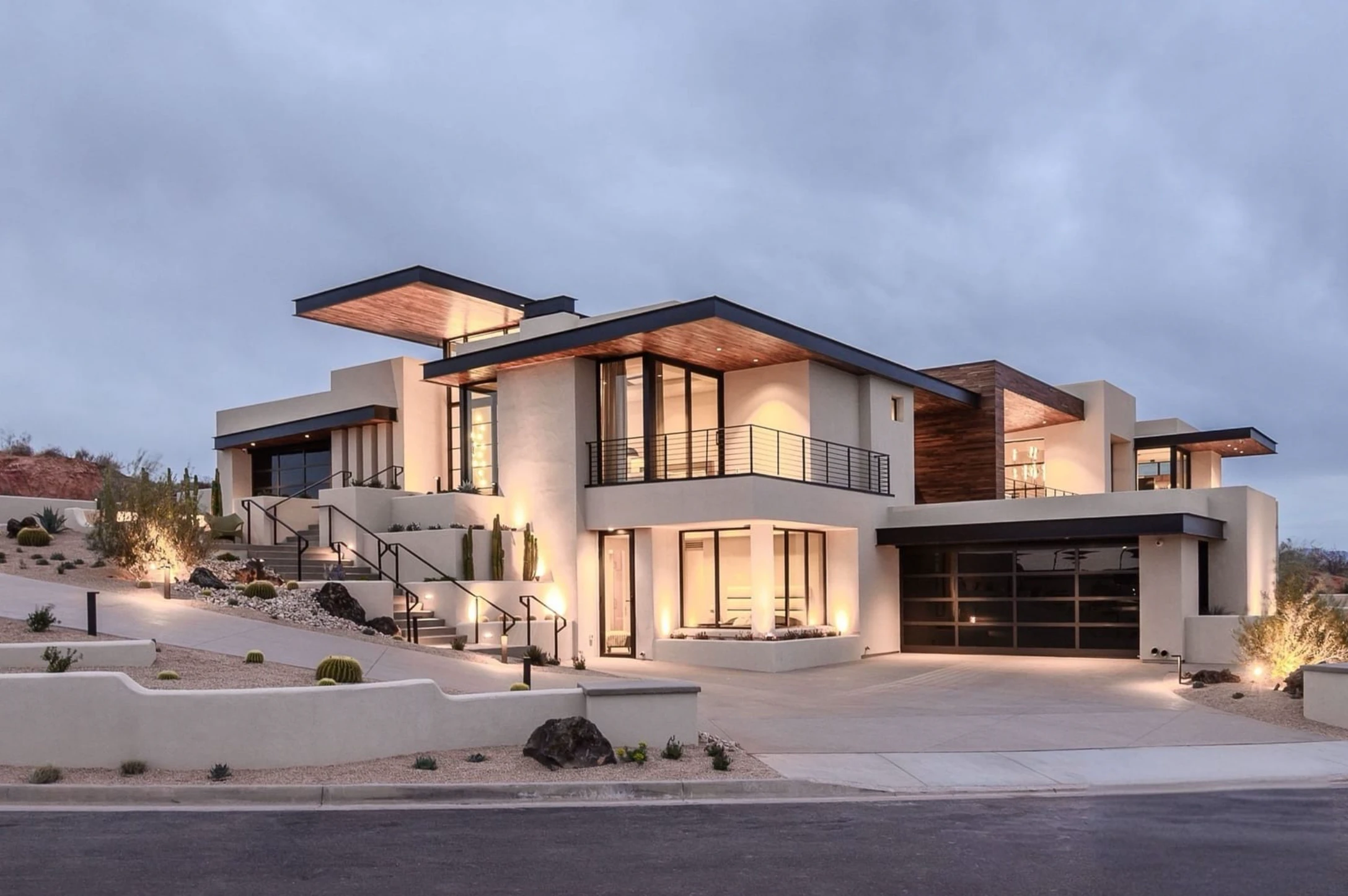
What continues to propel Utah forward is an incomparable blend of diverse climates and landscapes, economic strength, international access, and limitless recreation. This rare combination has fueled population growth and captured global attention, placing Utah at the forefront of headlines and rankings alike. To that end, Utah is ranked #1 for its economic outlook, and has been for 18 consecutive years. It's also ranked the best state overall by U.S. News & World Report. The state hosts the highest-rated major international airport in the nation and Utah is in the top 5 fastest-growing states, year after year. It's home to five national parks, 120+ golf courses and 15 ski resorts, which draw outdoor, ski and golf enthusiasts to visit every year. For Washington residents seeking a comparable quality of life with tax advantages to boot, Utah is an undeniable option to explore.
Explore the Opportunity

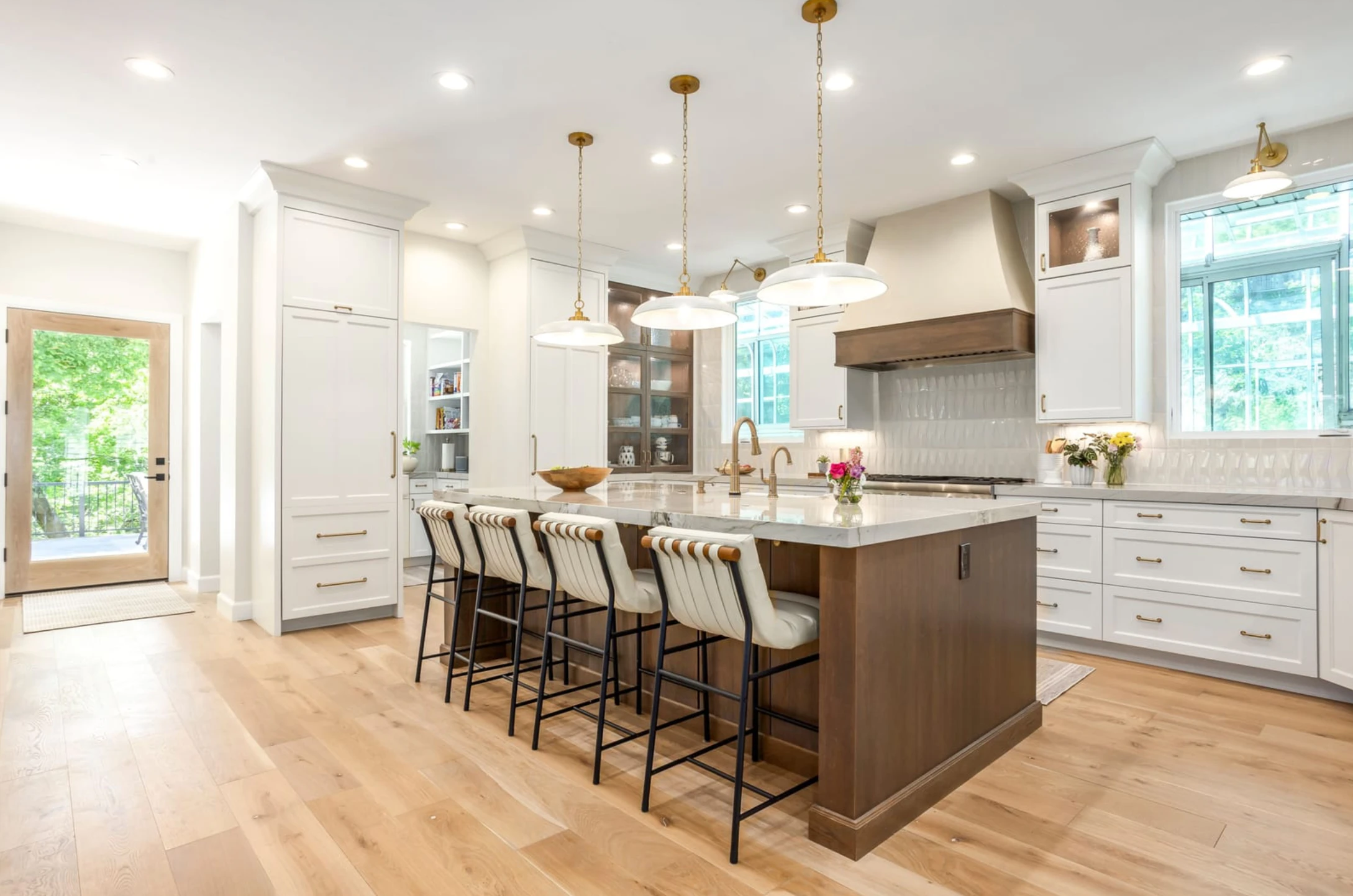
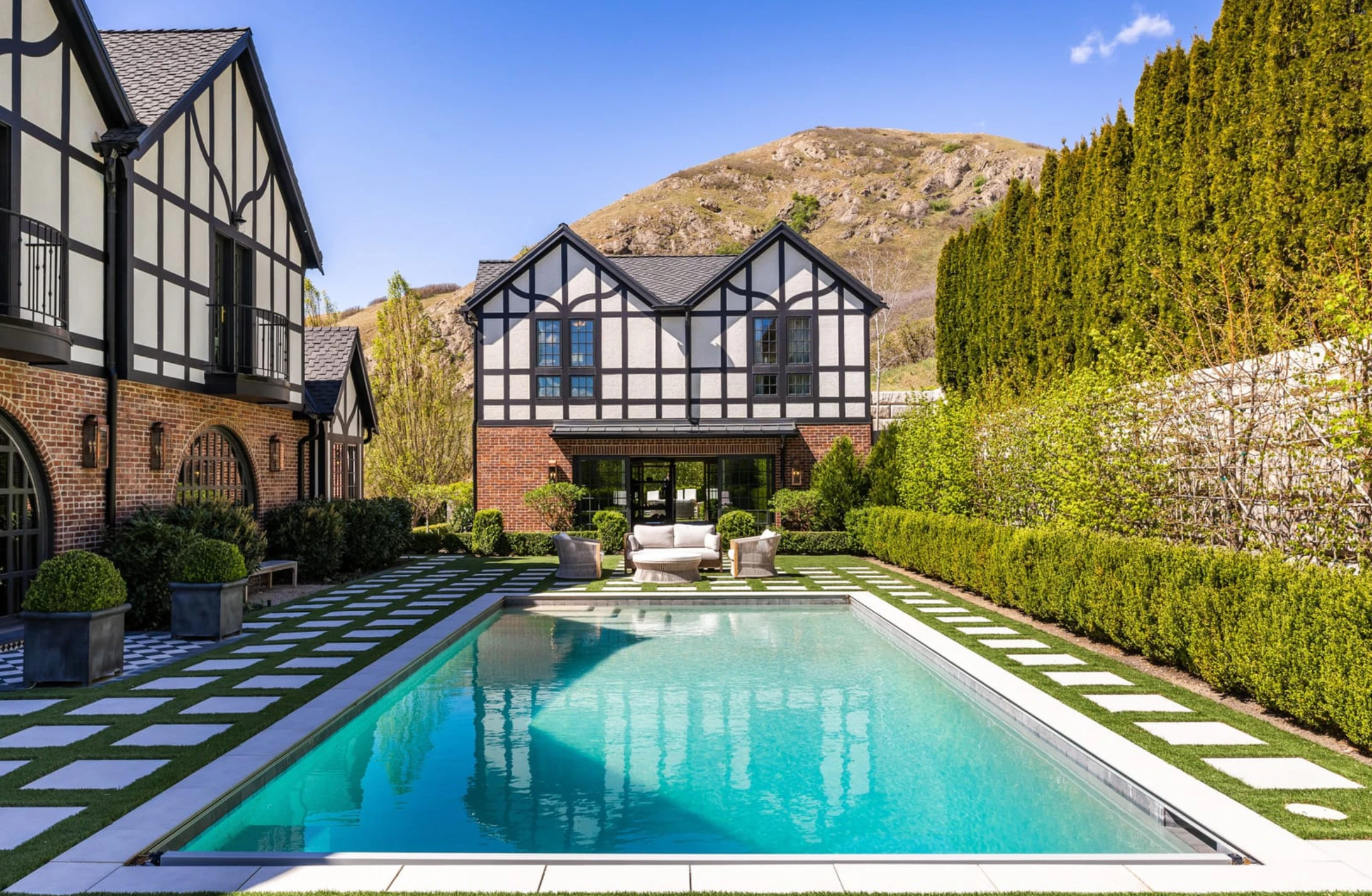
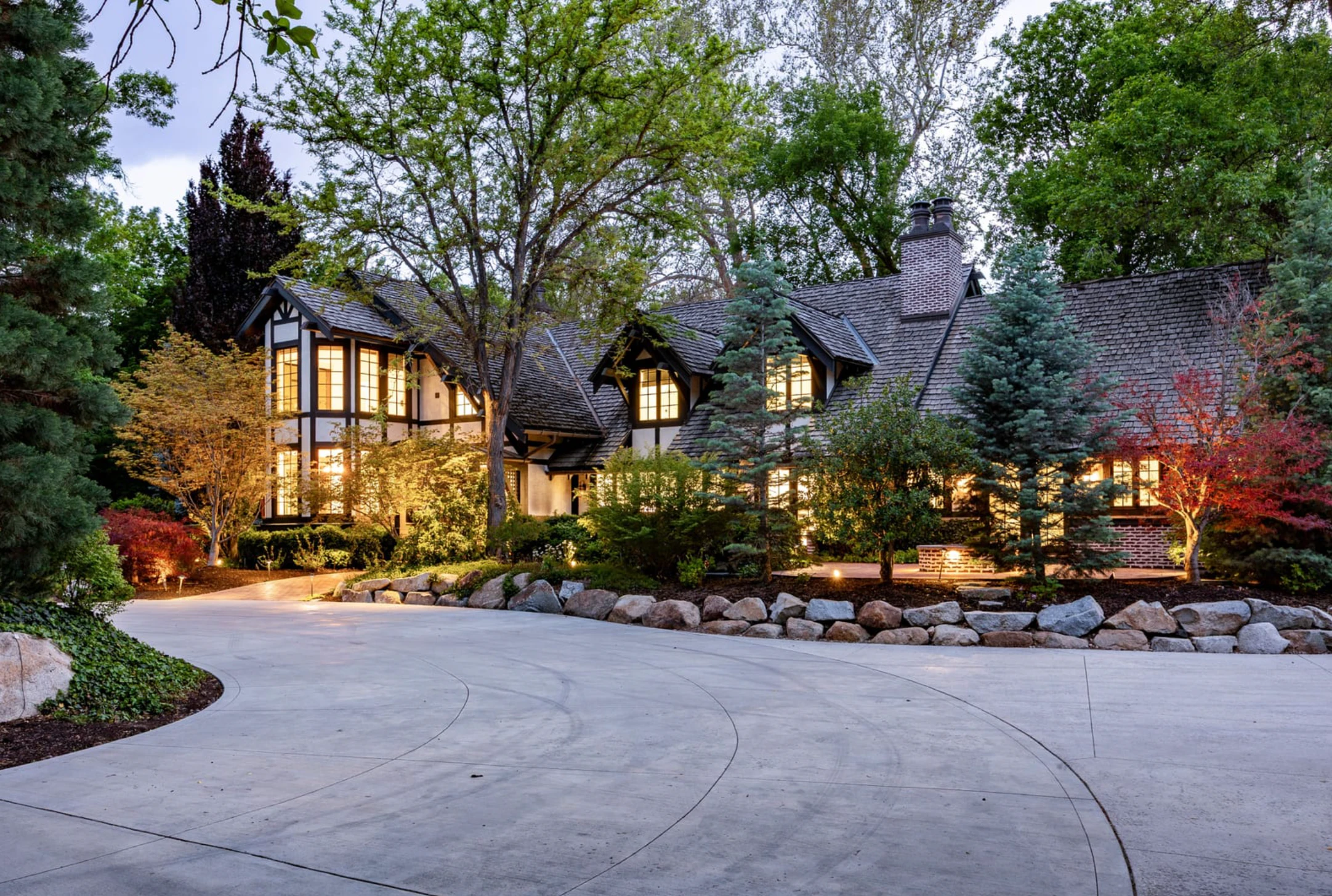
4630 S Naniloa Drive
Holladay, UT 84117
$3,750,000
Thomas Wright
Erin Eldredge
63 E Colima Road
Washington, UT 84780
$5, 750,000
Kylee Willard
299 East Oak Forest Road
Salt Lake City, UT 84103
$7,500,000
Dorthy Androulidakis
Liz Slager
2400 East Walker Lane
Holliday, UT 84117
$7,900,000
Paige Morris Juliano
Michelle Eastman
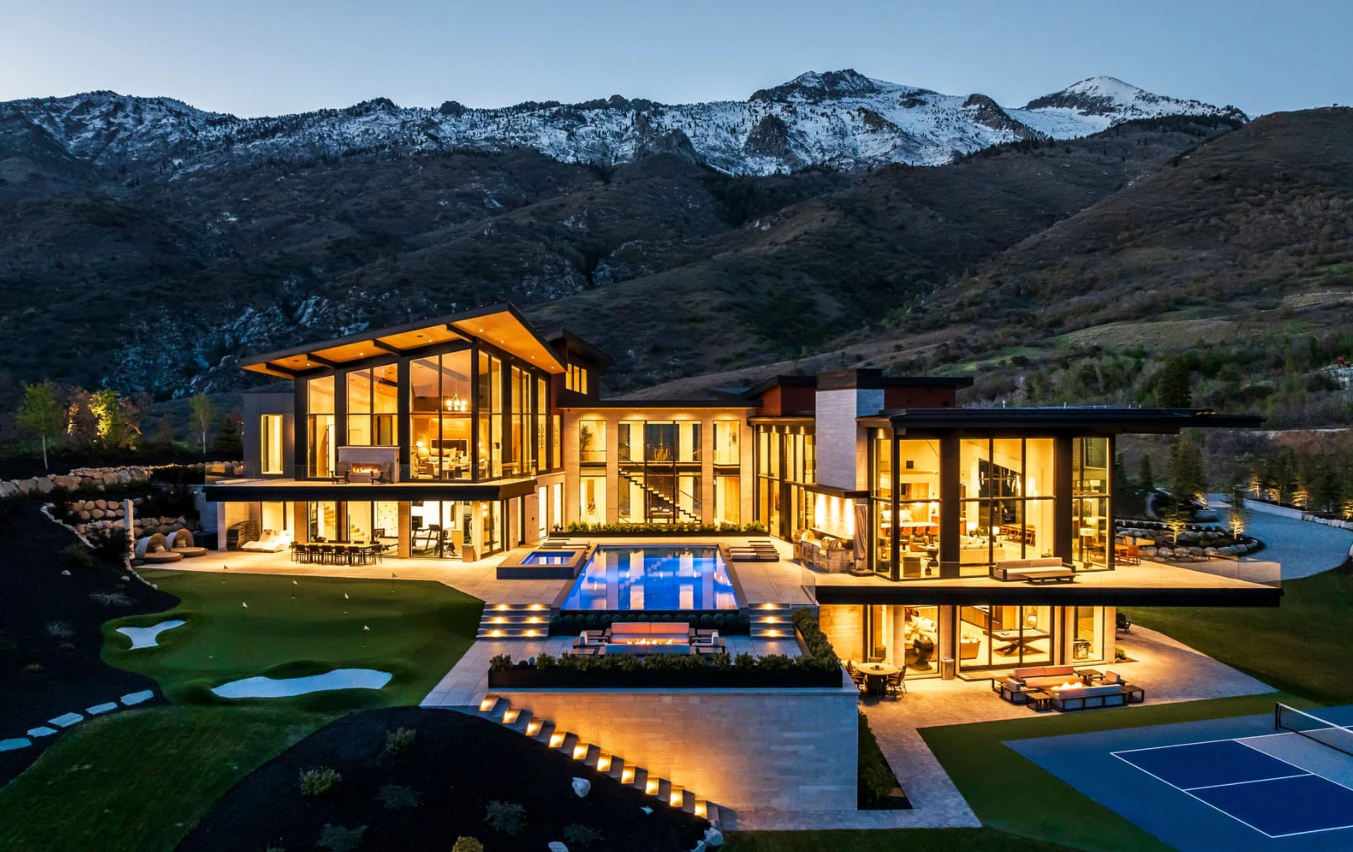
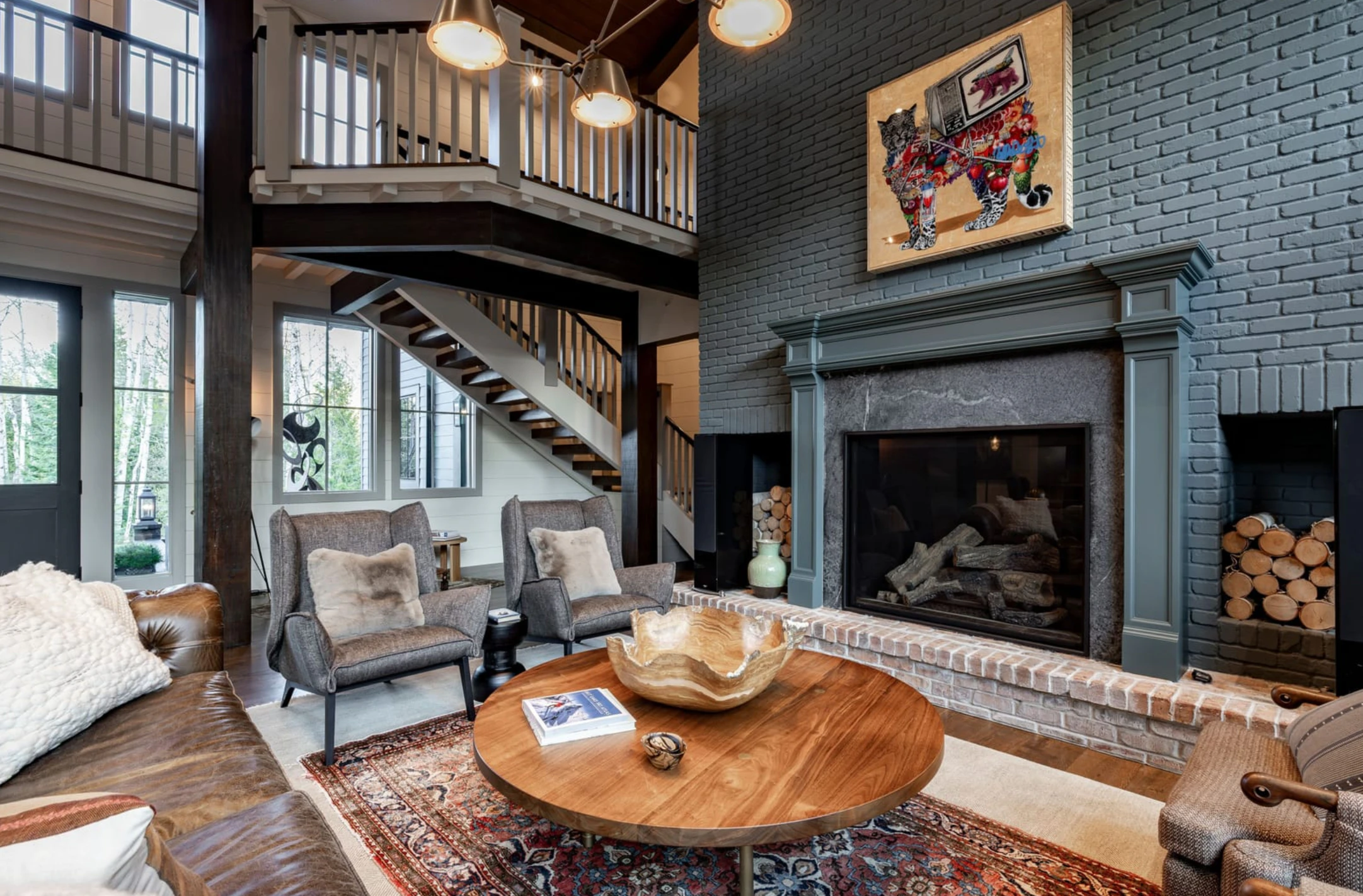
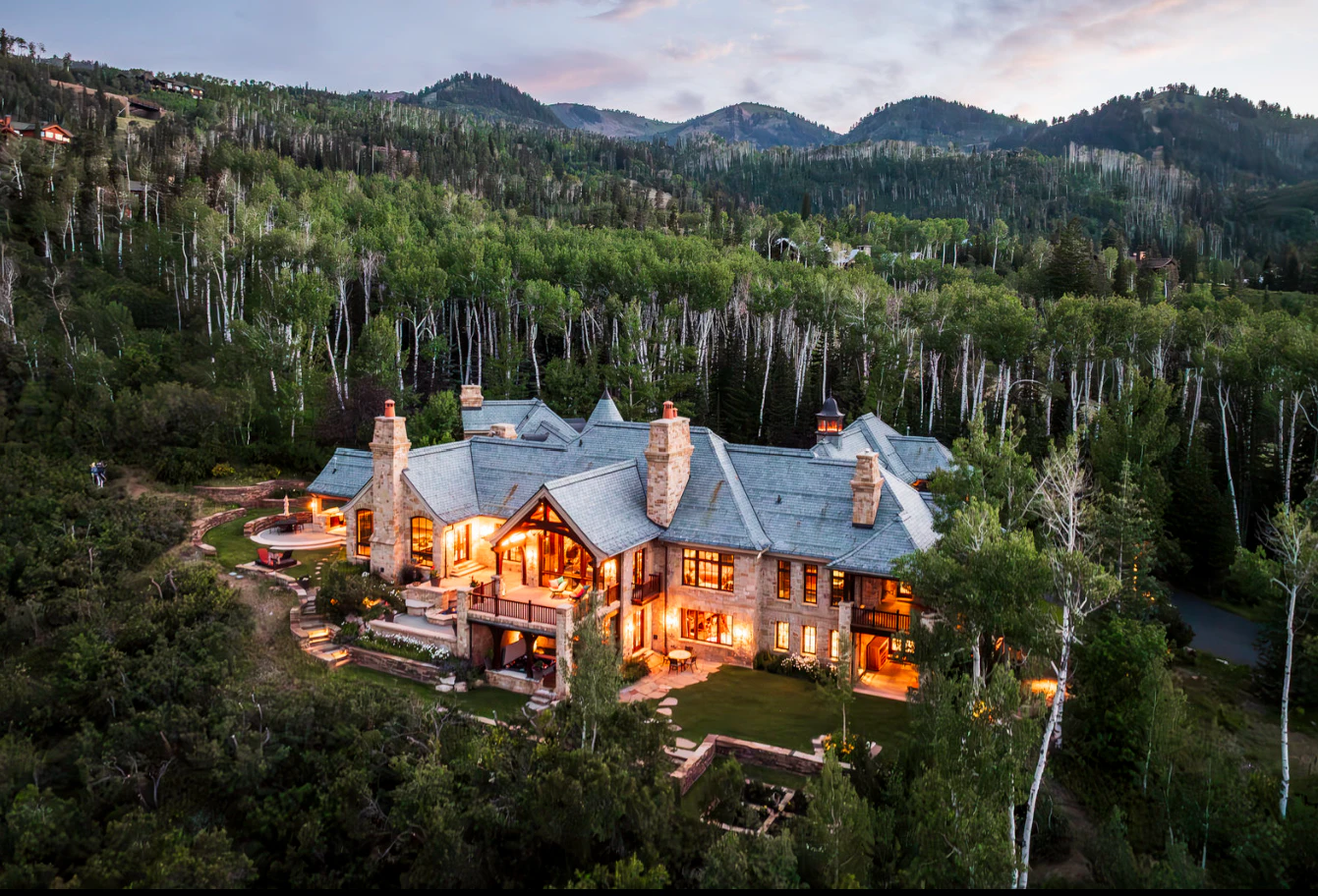
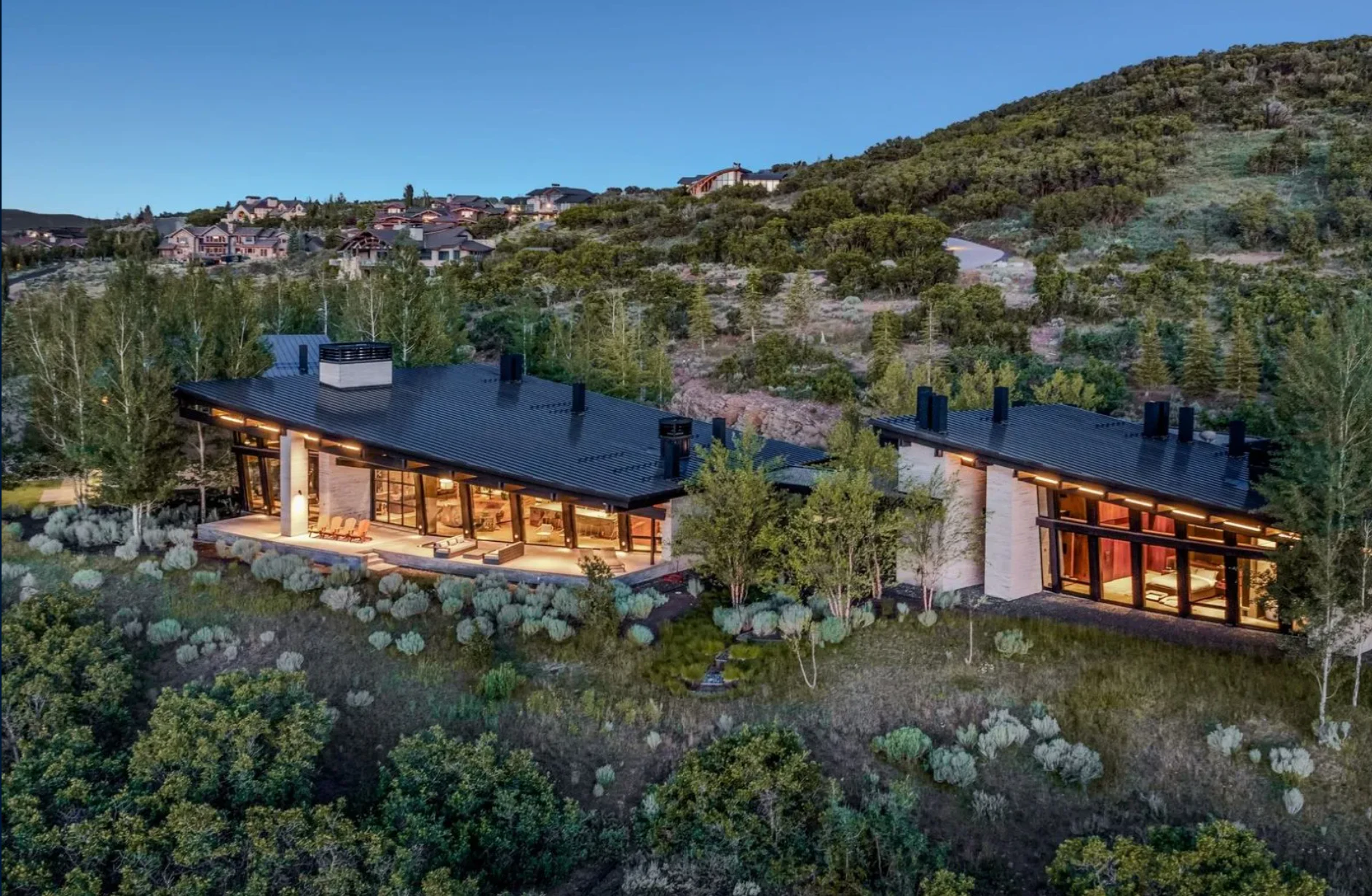
476 East Three Falls Drive
Alpine, Utah, 84004
$14,750,000
Kerry Oman
2475 W White Pine Lane
Park City, UT 84060
$23,500,000
Gretchen Hudgens
Lacy Harrison
17 White Pine Canyon Road
Park City, Utah, 84060
$27,000,000
Sean Brown
29 Marilyn Court
Park City, UT 84060
$33,000,000
Michael La Pay
Geo-diversity: Utah's Endless Lifestyle Opportunity
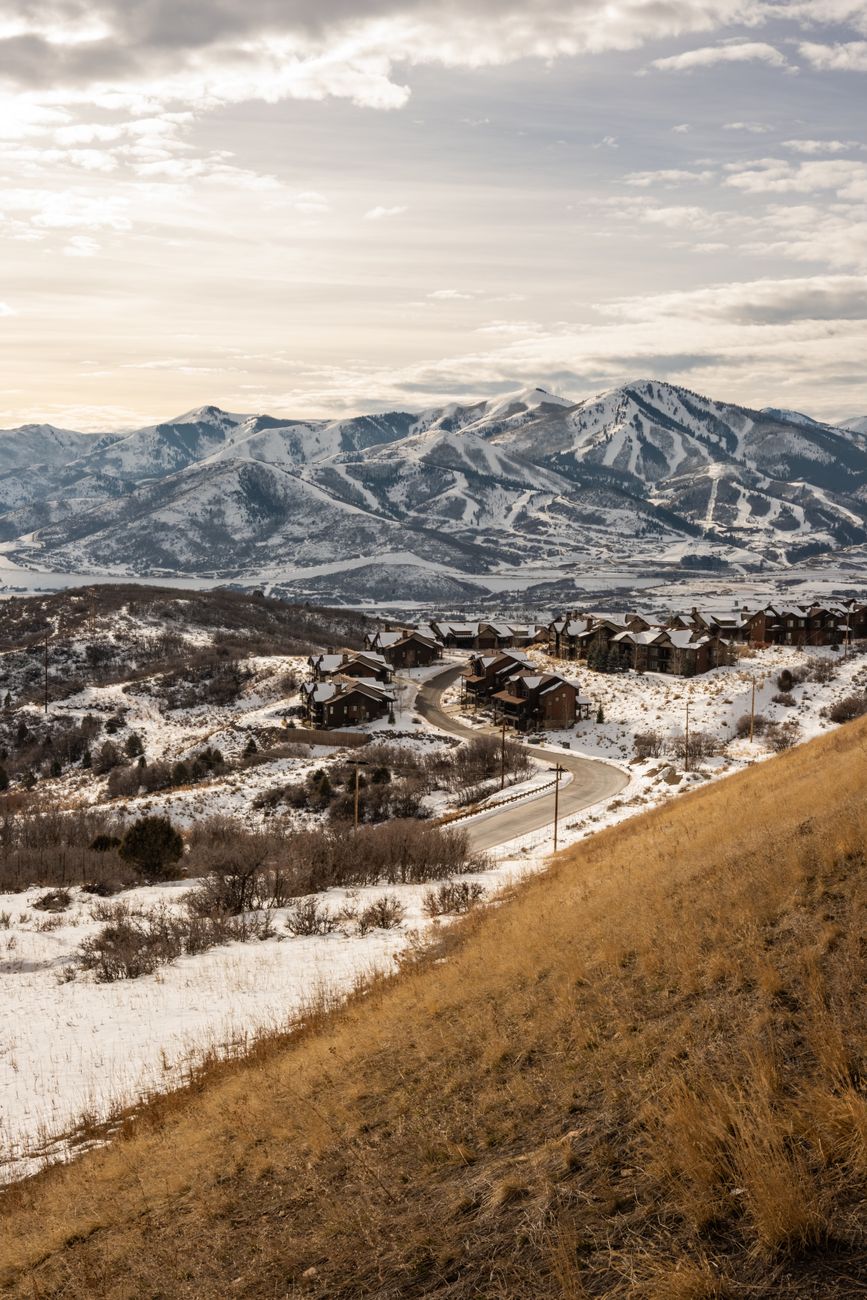
One of the most geo-diverse states in the USA. From mountain and ski to desert and golf, urban and arts/culture, Utah provides visitors and residents alike an endless menu of adventure, climates, landscapes and experiences. Utah delivers such an incomparable lifestyle that you can ski in the morning, and hike at lunch and golf in the afternoon.
Park City: Ski-town glamour with world-class resorts (Park City Mountain, Deer Valley), the Sundance Film Festival, and a walkable historic Main Street full of good food and boutique shopping.
Salt Lake City: The urban anchor: strong food and brewery scene, museums, an international airport, and mountains just 30 minutes away for year-round outdoor access.
Moab: The adventure-sport capital: mountain biking, off-roading, rock climbing, and the gateway to both Arches and Canyonlands National Parks.
Zion National Park: Iconic red-rock canyon hiking (Angels Landing, The Narrows) for anyone drawn to an outdoor/wellness-centered lifestyle.
St. George: Warm winters, golf, red-rock trails, and a growing retirement/wellness community, all close to Zion and Snow Canyon State Park.

Culture & Community
Salt Lake City, St. George, Moab and Park City all offer culture and community just as unique as their landscapes. Park City is known for its unwavering support of non-profits and community enrichment. Salt Lake is dedicated to higher education and the arts. St. George to live theater, music and its natural wonders. Moab is rooted in a deep commitment to conservation and its close knit community. Utah has a distinctive cultural identity shaped by a mix of religious heritage, geography, and a fast-growing, increasingly diverse population. Here's an overview of what defines culture and community there:
Religious and Historical Foundation
The Church of Jesus Christ of Latter-day Saints (LDS Church) has profoundly shaped Utah since Mormon pioneers settled the Salt Lake Valley in 1847. Roughly 42-60% of "Utahns" identify as LDS (concentration is much higher in some counties, lower in others like Summit or Grand County). This influences:
Community structure: LDS "wards" (congregations) often double as social hubs, organizing everything from meals for new parents to disaster relief.
Family orientation: Utah has some of the highest birth rates and largest average household sizes in the U.S.
Substance norms: Lower rates of alcohol/tobacco use compared to national averages, though this is changing among younger and non-LDS residents.
Values around service: Volunteerism rates in Utah are consistently among the highest in the country.
Growing Diversity
The "Utah is homogeneous" stereotype is outdated in many areas:
Salt Lake City has a vibrant LGBTQ+ community (Utah has one of the largest per-capita gay populations in the country) and hosts a large Pride festival.
Latino/Hispanic communities make up about 15% of the state, concentrated in Salt Lake, Utah, and Weber counties, with strong cultural presence in food, festivals, and business.
Pacific Islander populations (Tongan, Samoan) are notably large relative to state size, especially in West Valley City and surrounding areas, with strong ties to LDS congregations and distinct cultural traditions (rugby, cultural feasts, church events).
Refugee resettlement: Salt Lake City has been a significant refugee resettlement hub, bringing Somali, Bhutanese, Burmese, and other communities.
Native American nations: Navajo, Ute, Paiute, Goshute, and Shoshone peoples have deep roots, particularly in southeastern Utah (Bears Ears region) and the Uintah Basin.
Outdoor and Recreation Culture
Community life in Utah is deeply tied to the outdoors:
- The "Mighty 5" national parks (Zion, Bryce, Arches, Canyonlands, Capitol Reef) anchor a strong outdoor recreation identity.
- Skiing/snowboarding culture is huge — Utah markets itself as having "The Greatest Snow on Earth," and Park City/Cottonwood Canyons resorts draw both locals and global tourists.
- This creates a shared civic pride around conservation, trail access, and public lands debates (which are often politically contentious given federal land ownership).
Arts and Events
Sundance Film Festival in Park City brings global independent film culture to the state each January.
Salt Lake City has a growing arts and music scene, craft brewing (despite historically strict liquor laws, which have loosened somewhat), and a tech/startup culture nicknamed "Silicon Slopes."
County fairs, rodeos, and pioneer heritage celebrations
Tax Benefits
Advantages in the Mountain West
Here's what's relevant for someone moving from Washington into Utah.
No transfer tax. Utah is one of the few states with no real estate transfer tax, so unlike many states there's no percentage-of-price tax due at closing just for changing ownership. There's also no additional tax on the mortgage amount, and no exemptions are even needed since the tax doesn't exist in the first place.
Lower property taxes generally. Utah's property tax rate is relatively low compared to states like California, Illinois, or New Jersey, and typically ranks among the lower property tax states nationally — one source puts the average effective rate around 0.52%.
The 45% primary residence exemption. This is the big one if you'll be living in the home. Utah state code 59-2-103 allows a 45% residential exemption on primary residences, meaning you only pay property tax on 55% of the home's fair market value. A primary residence is defined as one that serves as your primary domicile for at least 183 consecutive days a year. There's a bill in this year's legislature (HB 161) that would push that exemption percentage even higher, but it's contingent on a constitutional amendment passing and wouldn't take effect until 1/1/27 — worth watching but not something to count on yet.
Capital gains. If you later sell, any gains not covered by federal exclusions are taxed as ordinary income at a flat 4.95% Utah rate, though a typical Utah homeowner selling their primary residence won't owe federal capital gains tax either, thanks to the standard federal exclusion.
One thing that cuts the other way for Washington buyers specifically: Washington has no state income tax, but Utah does (flat 4.95%). If you establish Utah residency, your worldwide income can become subject to Utah state income tax — this is the main "gotcha" people moving from no-income-tax states don't always anticipate. It's not a real-estate-specific tax, but it's the tradeoff behind the property-tax savings.


Getting There
Salt Lake City is actually one of the more accessible mid-sized cities in the US, mainly because of its airport and its central location in the Mountain West.
Salt Lake City International Airport (SLC) is a major hub for Delta Air Lines, which means it has a large number of direct flights, many more than you'd expect for a city its size. Delta operates dozens of nonstop routes from SLC to cities across the US, plus some international destinations (Mexico, Canada, and a few transatlantic routes like Paris and Amsterdam, seasonally). Because of the hub status, flights are frequent and often reasonably priced compared to similarly sized cities without a hub airport.
All Air Hubs
Salt Lake City International Airport (SLC / KSLC) The region's main commercial hub, owned and operated by the Salt Lake City Department of Airports. It's classified as public/military and serves as a hub for Delta Air Lines, Alpine Air Express, and Corporate Air. It handles tens of millions of passengers a year and also has a General Aviation side for private jets and charters.
South Valley Regional Airport (KSVR, formerly U42) – West Jordan, UT A public airport located seven miles southwest of Salt Lake City, operated as an FBO by the Salt Lake City Department of Airports. It's the primary general aviation airport in the area and also serves as a Utah Army National Guard training base with Apache and Blackhawk helicopters. It's a popular option for private flyers wanting to avoid the commercial terminals at SLC.
Tooele Valley Airport (TVY) – Erda, UT Part of the same general aviation network as SLC and South Valley Regional, per the airport authority's own site. The general aviation facilities are housed at Salt Lake City International, South Valley Regional in West Jordan, and Tooele Valley Airport in Erda.
Ogden-Hinckley Airport (OGD) – Ogden, UT North of the city; often used as an alternative for private/GA traffic.
A regional listing service names several smaller strips in the greater Salt Lake area, including Skypark, South Valley Regional, Payne Field, Bolinder Field, Tooele Valley Airport, Hill Airbase, Lbl Farms Airport, and Morgan County Airport. Some of these are public-use, others are privately owned/restricted-access fields — a mix typical of the area.
N. Idaho
+
W. Montana
Your Low-Density Lifestyle is Calling
Refined and Relaxed in Idaho and Montana
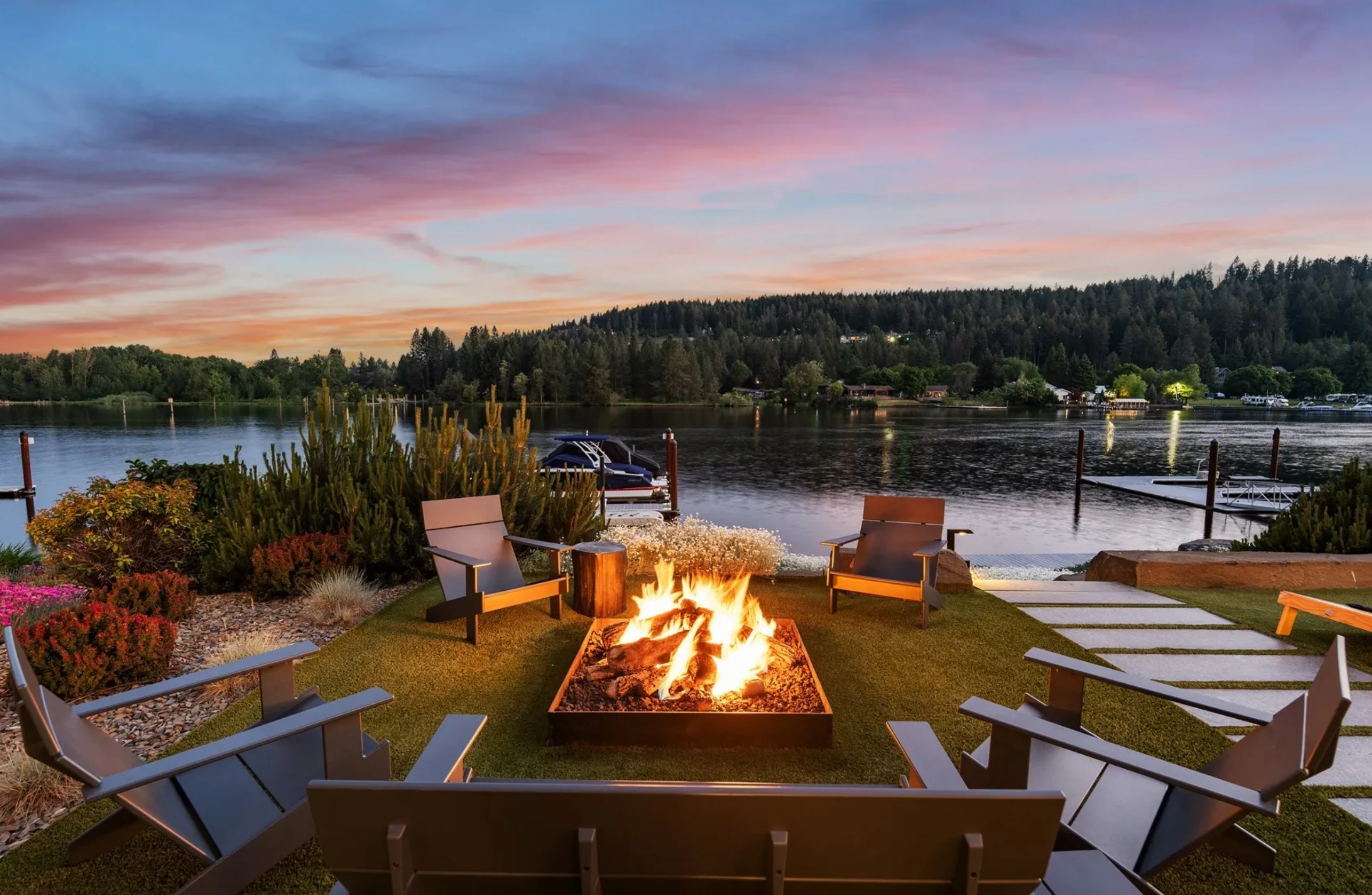
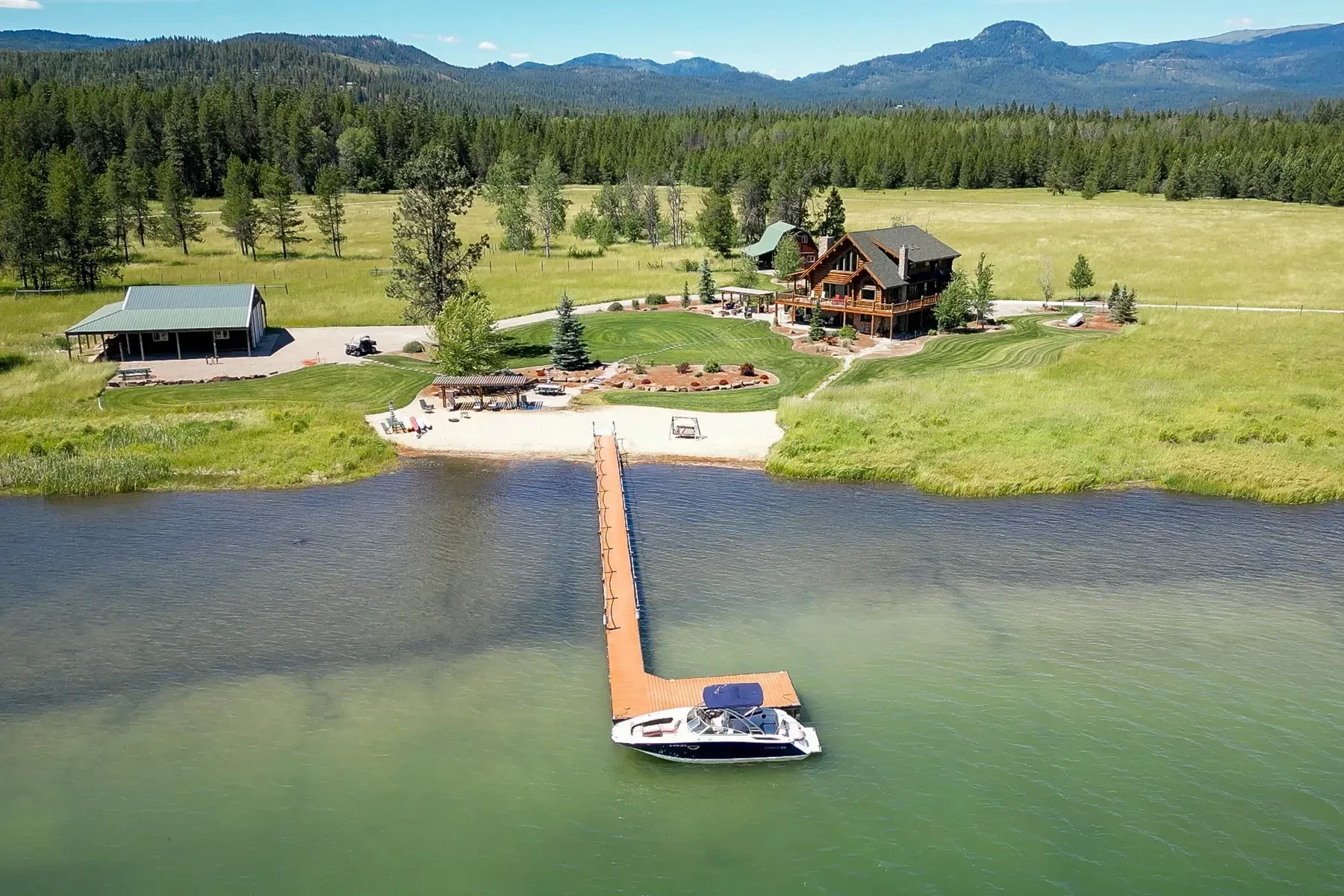
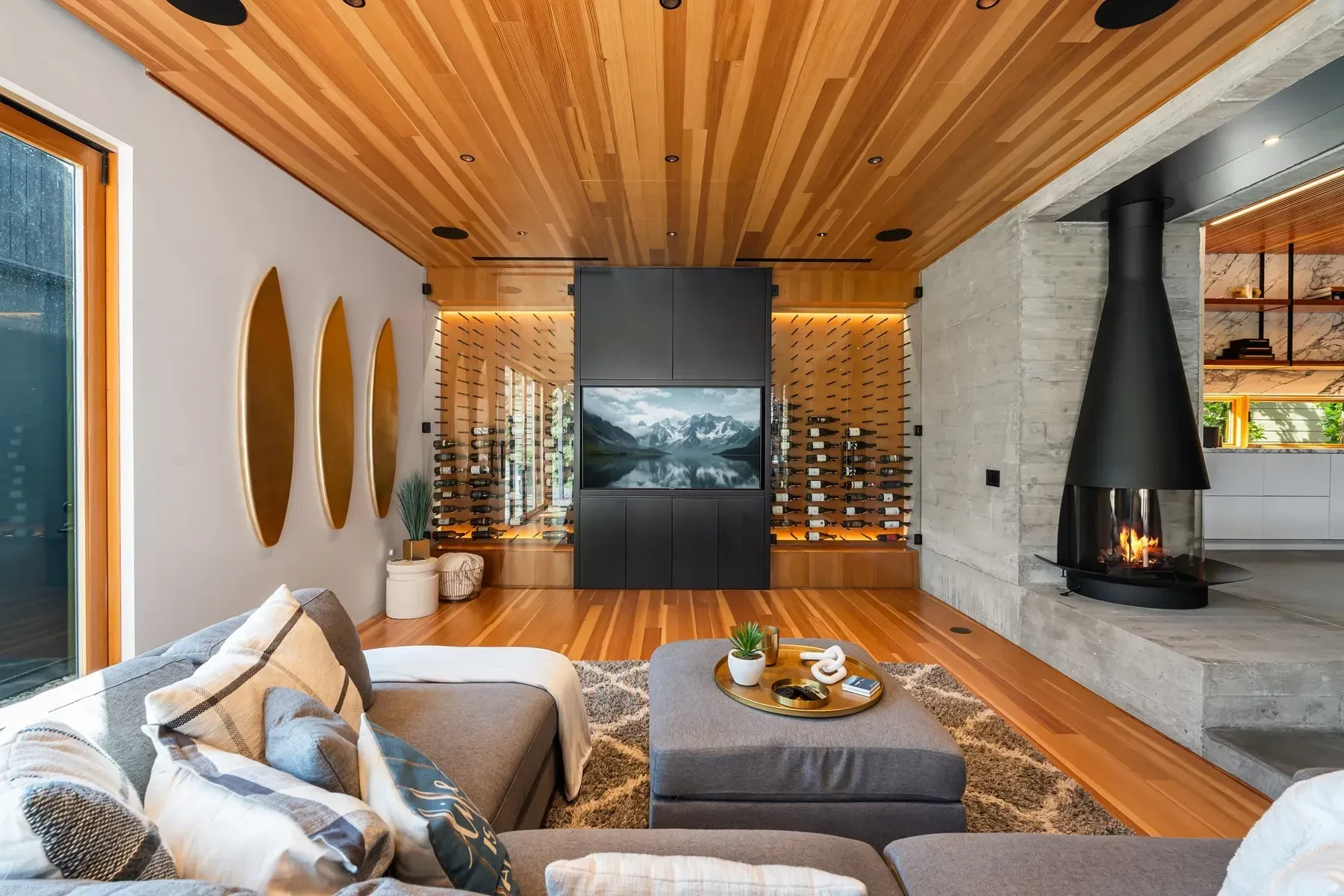
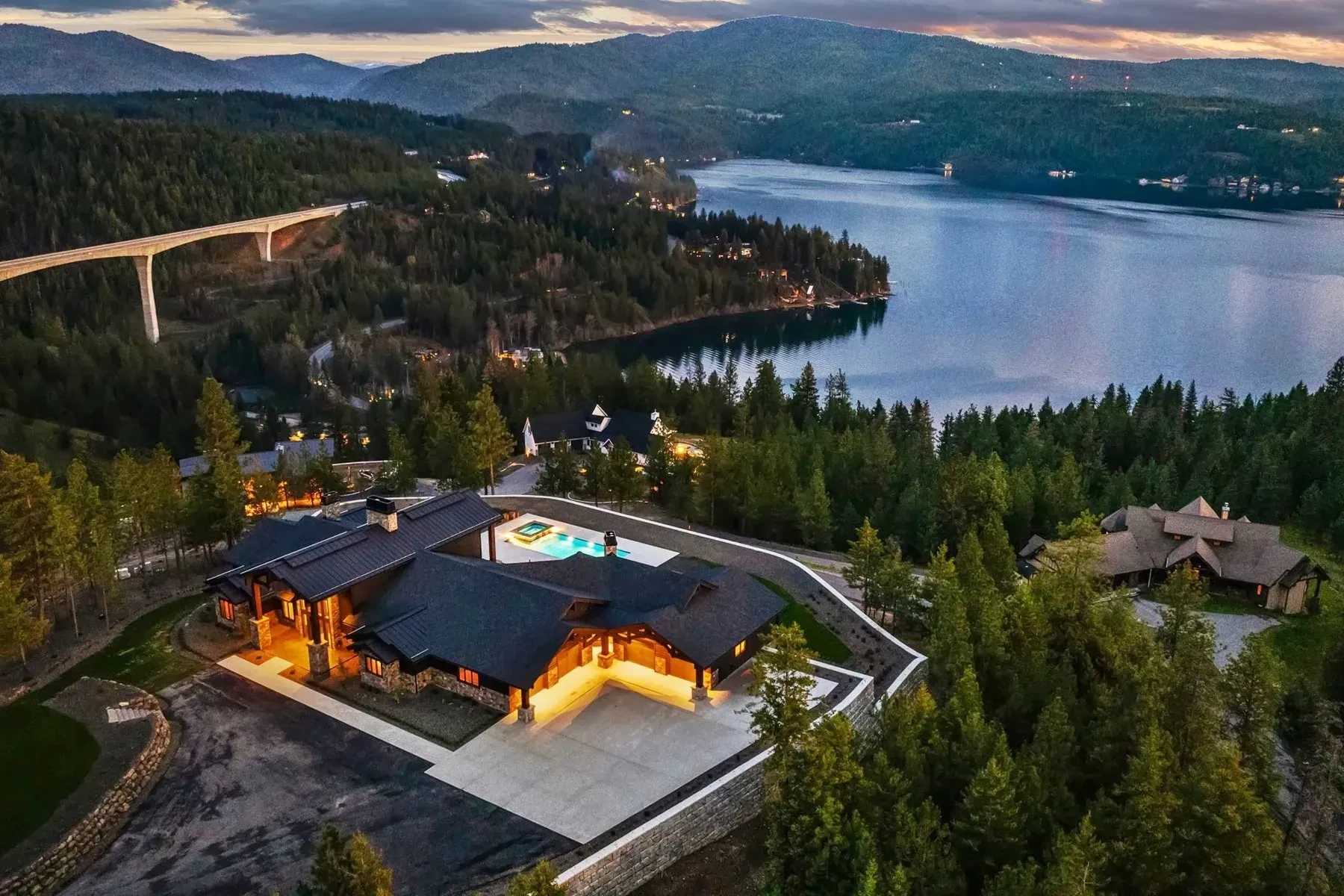
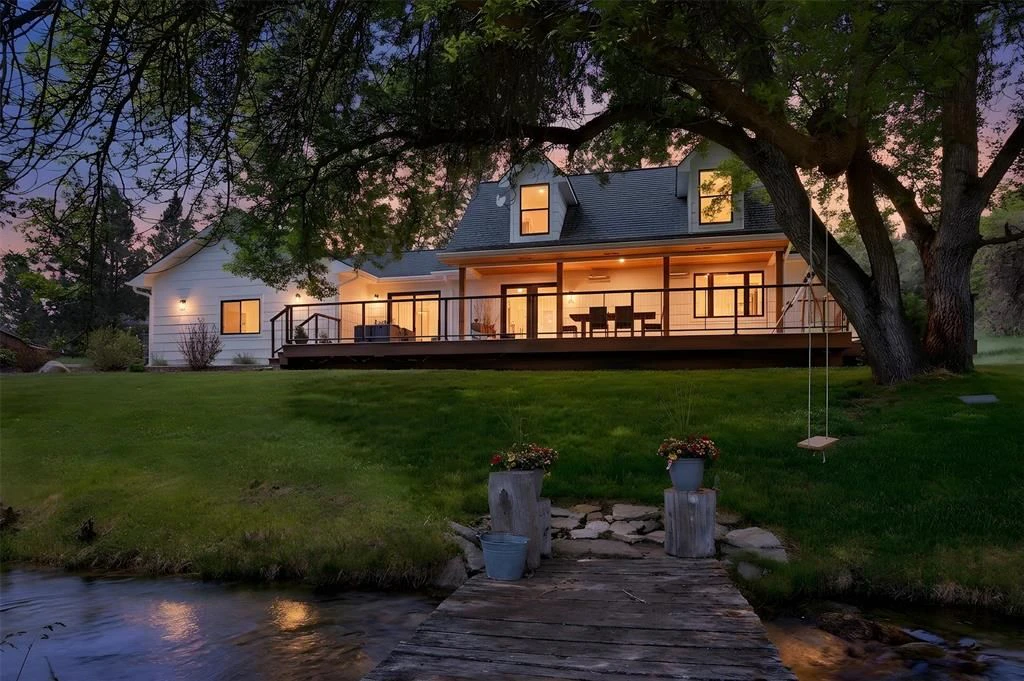
North Idaho and Western Montana together offer Washington residents something rare: the ability to keep the Northwest lifestyle with unlimited access to mountains and water, outdoor recreation, relaxed luxury, and an opportunity to slow life's pace either through dual ownership and second or vacation home opportunities or through permanent relocation.
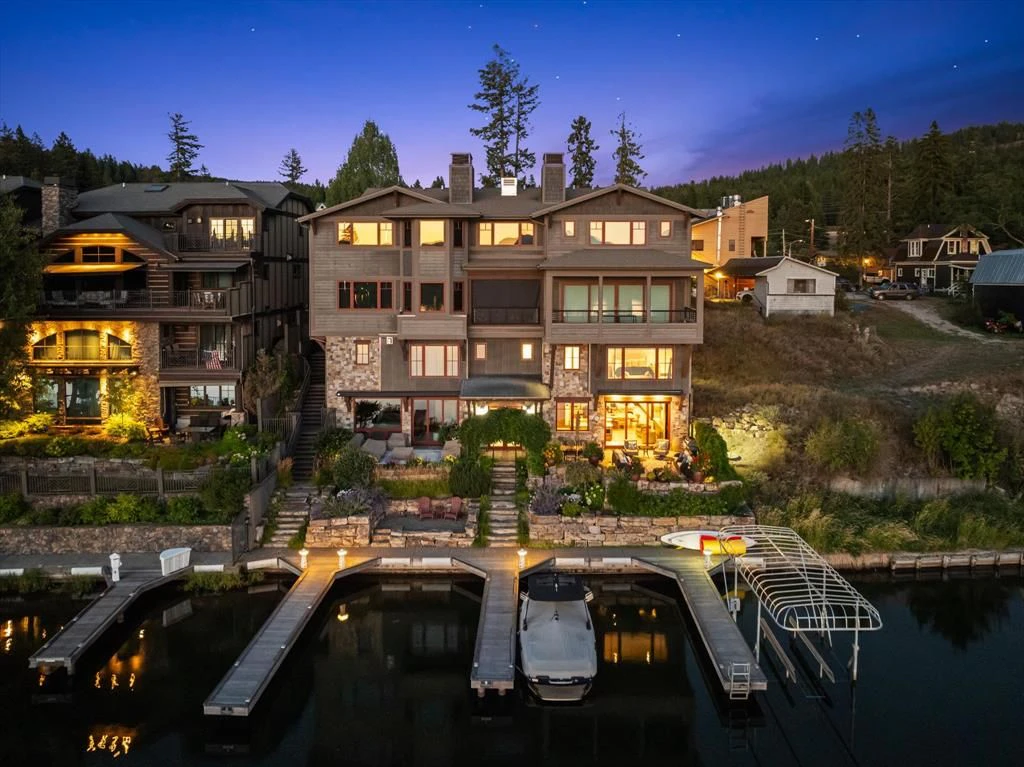
In North Idaho, buyers find a seamless transition into refined, relaxed living. World-class lakefront properties, mountain retreats, and resort-style communities offer a luxury lifestyle that rivals anything in the Pacific Northwest, at a fraction of the density. Buyers remain close to family, business interests, and regional amenities while gaining more space, privacy, and long-term investment potential in a market that continues to attract high-net-worth buyers. Idaho's business-friendly environment and low tax burden make it equally compelling for those building wealth as for those simply ready to stop commuting and start living.
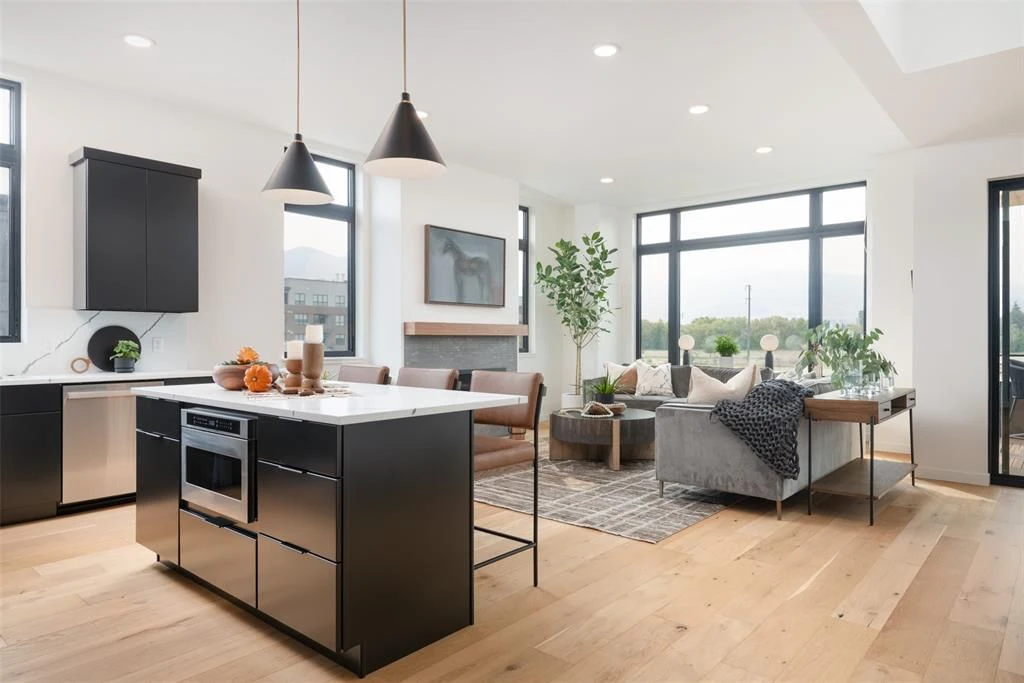
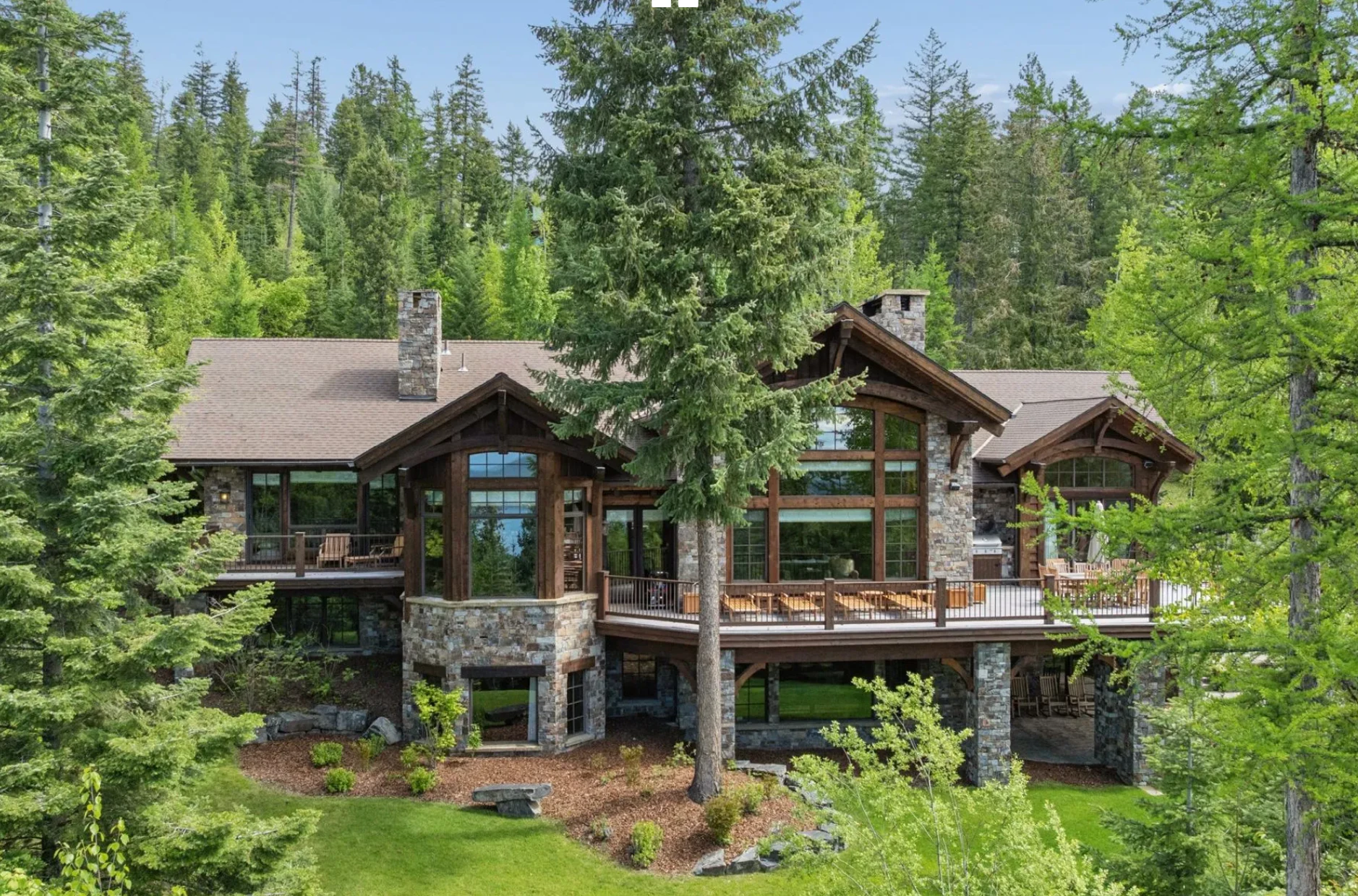
Western Montana continues to attract buyers seeking outdoor recreation, luxury lifestyle, low-density living, and long-term investment potential. The region's most sought-after markets, including the Bitterroot Valley, Missoula, Flathead Valley, and Whitefish, offer a unique blend of mountain living, vibrant communities, and year-round recreation.
Explore the Opportunity
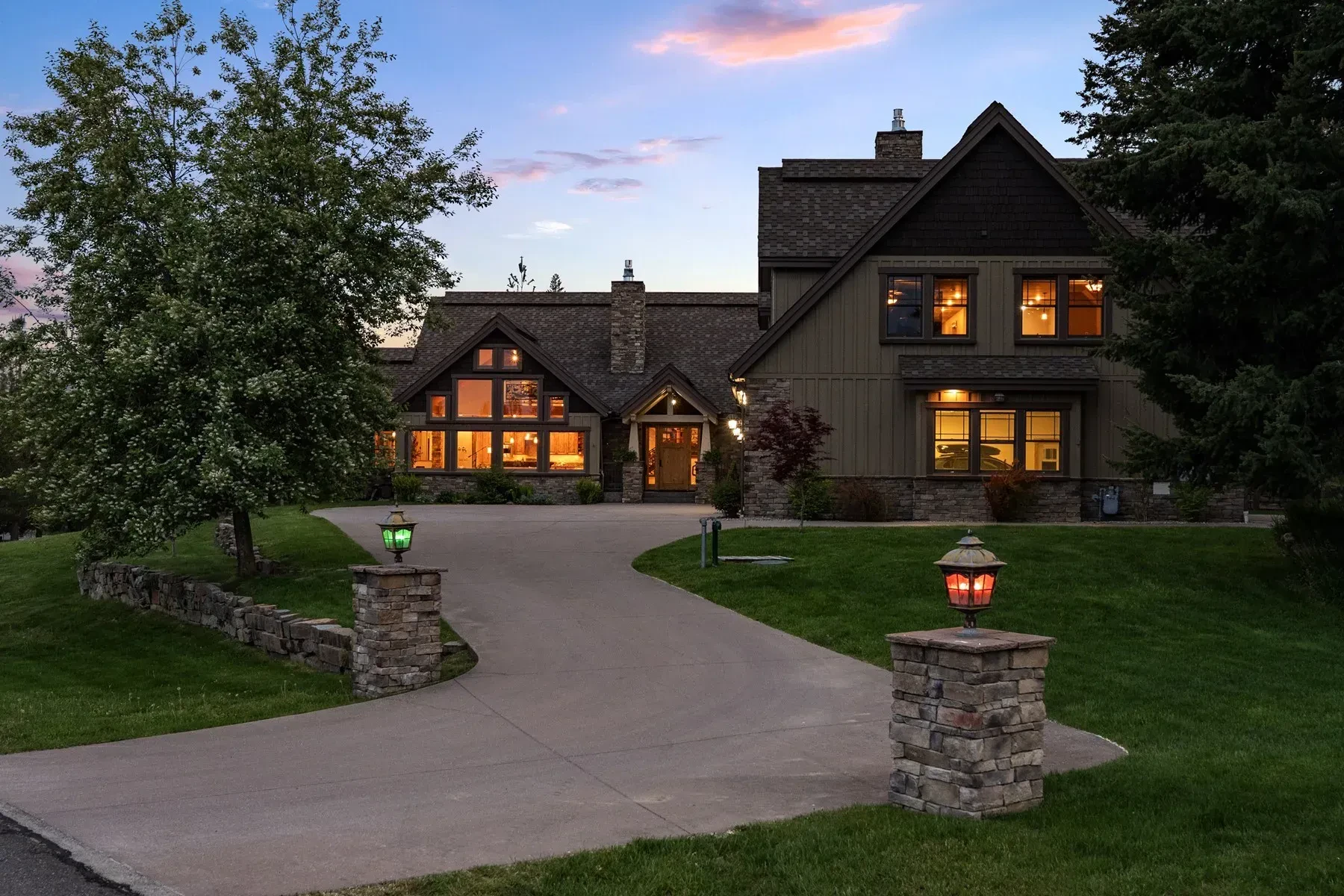
110 Wright Court
Sandpoint, ID, 83864
$2,295,000
Carrie La Grace
296 Camp Peine Road
Sagle, ID, 83860
$2,995,000
Linda Tolley
1418 W Bellerive Lane
Coeur d’Alene, ID, 83814
$7,295,000
Lea Williams
4579 E Plum Road
Coeur d’Alene, ID, 83814
$21,000,000
Chris Neu
Jillian Shaw
210 Old Mill Road, A
Missoula, MT, 59801
$1,240,800
Gillian Fetz Edgell
2920 Curlew Mine Road
Victor, MT, 59875
$1,198,000
Cindi Hayne
464 Electric Avenue, C
Bigfork, MT, 59911
$3,135,000
Cherie Hansen
3010 Iron Horse Drive
Whitefish, MT, 59937
$10,900,000
Scott Darkenwald
Tracy Rossi
A Premier Lifestyle Destination
North Idaho and Western Montana have each emerged as premier lifestyle destinations for affluent buyers seeking more than a home, they're seeking a way of life. Across both markets, buyers find four-season recreation, waterfront living, and expansive homesites that simply don't exist in the markets they're leaving. The lifestyle benefits are unmatched for those seeking outdoor recreation and a relaxed sense of refinement.
Lifestyle Benefits North Idaho
Lake Life Boating, paddle boarding, wakeboarding, kayaking and waterfront living on Lake Coeur d'Alene, Lake Pend Oreille, Hayden Lake, and Priest Lake
Mountain Life Skiing and snowboarding at Schweitzer Mountain and Silver Mountain
World Class Golf Championship golf communities and year-round outdoor recreation
Community Culture Family oriented with a strong volunteer culture, growing culinary scene, and arts and music events
Four Seasons True four-season lifestyle with mild summers, snowy winters, and easy access via Spokane International Airport
Lifestyle Benefits Western Montana
Stunning National Park Access Glacier National Park
Resort Life Whitefish Mountain Resort skiing and mountain biking
Water Recreation Flathead Lake boating and waterfront recreation
World-class Fly Fishing on the Bitterroot, Clark Fork, and Blackfoot Rivers
Hiking Horses, and Hunting Extensive hiking, horseback riding, hunting, and public land access


Culture & Community
Whether it's a luxury lakefront retreat on Lake Coeur d'Alene, a mountain estate near Glacier National Park, or a private ranch in the Bitterroot Valley, these destinations offer wealth preservation through land ownership, remote-work flexibility, and a strong sense of community and safety. The region continues to attract executives, entrepreneurs, retirees, and second-home buyers from Washington, California, Texas, and other high-cost markets.
Outdoor lifestyle is woven into the fabric of daily life — from weekend lake days and ski seasons to trail runs and fly fishing, recreation isn't an amenity here, it's the culture
Tight-knit family-oriented communities where neighbors know each other and volunteerism runs deep
Culinary and Arts A growing culinary and arts scene
Entrepreneurs welcome A welcoming environment for entrepreneurs
Safety, space, and slowdown A genuine sense of safety, space, and slowdown
Tax Benefits
Why Washington Buyers Look East
Washington has no state income tax but does have high sales taxes and real estate excise taxes. Idaho and Montana offer different tradeoffs, both have income taxes, but come with compelling property tax advantages and other benefits that appeal to WA buyers relocating or buying second homes.
Idaho offers standard deductions, personal exemptions, retirement income deductions for those 65+, and various credits including a grocery credit and child tax credit. The top rate is 5.8%, which is lower than many western states.
North Idaho
Idaho Benefits
No separate state capital gains tax, a meaningful consideration for high-net-worth individuals selling businesses, investment properties, stock portfolios, or appreciated assets
Flat state income tax structure that is competitive, predictable, and stable compared to states that have recently adopted new taxes or expanded existing policies
Property taxes in many Idaho counties remain substantially lower than comparable luxury markets in Washington, annual savings on multi-million-dollar properties can be significant
Consistently ranks among the nation's more business-friendly states, with streamlined permitting, lower regulatory burden, reduced operating costs, and faster local decision-making
Idaho Considerations
State income tax applies to earned income, though capital gains are treated as ordinary income rather than taxed separately
Property taxes vary by county and property type
Luxury and waterfront properties may carry higher assessed values
Western Montana
Montana is one of only five states with no sales tax — meaning no tax on retail goods, groceries, clothing, or services. On a $50,000 vehicle purchase, a Montana buyer pays $0 in sales tax vs. approximately $3,500 in Idaho.
Montana Benefits
No state sales tax
Relatively low property tax rates compared to many western resort markets
Favorable estate planning opportunities
Lower costs on vehicle purchases due to no sales tax
Potential housing cost savings compared to Seattle and major Washington markets
Montana Considerations
State income tax applies to earned income
Property taxes vary by county and property type
Luxury and waterfront properties may carry higher assessed values

Getting There
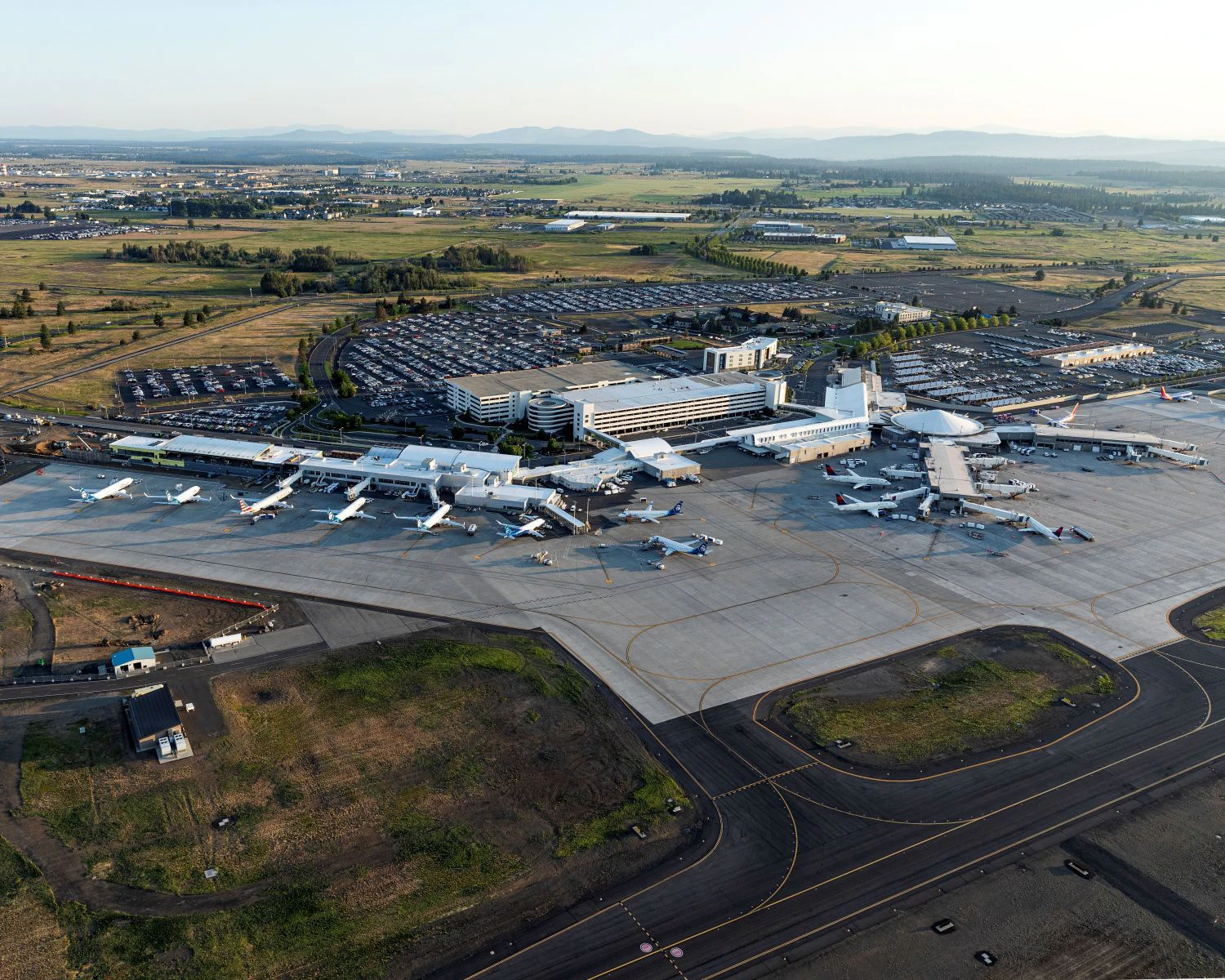
Spokane International Airport (GEG) serves Coeur d'Alene, Sandpoint, Priest Lake, Hayden Lake, and the greater North Idaho region.
Airlines Flying from Sea-Tac (SEA)
Alaska Airlines
Delta Air Lines
United Airlines
Southwest Airlines
American Airlines
Typical Flight Time
Seattle to Spokane: approximately 50 minutes
Western Montana
Missoula Montana Airport (MSO)Serves Missoula and the Bitterroot Valley.
Glacier Park International Airport (FCA) Serves Whitefish, Flathead Valley, Whitefish Mountain Resort, Bigfork, Columbia Falls, and Kalispell.
Airlines Flying from Sea-Tac (SEA)
Alaska Airlines
Delta Air Lines
United Airlines
American Airlines (seasonal/connecting service)
Southwest Airlines (select connecting routes)
Typical Flight Times
Seattle to Missoula: approximately 1 hour 20 minutes
Seattle to Kalispell/Glacier Park International: approximately 1 hour 30 minutes
Dallas
Fort Worth, Texas
Big Dreams Realized in the Lone Star State
Dreaming Bigger in North Texas
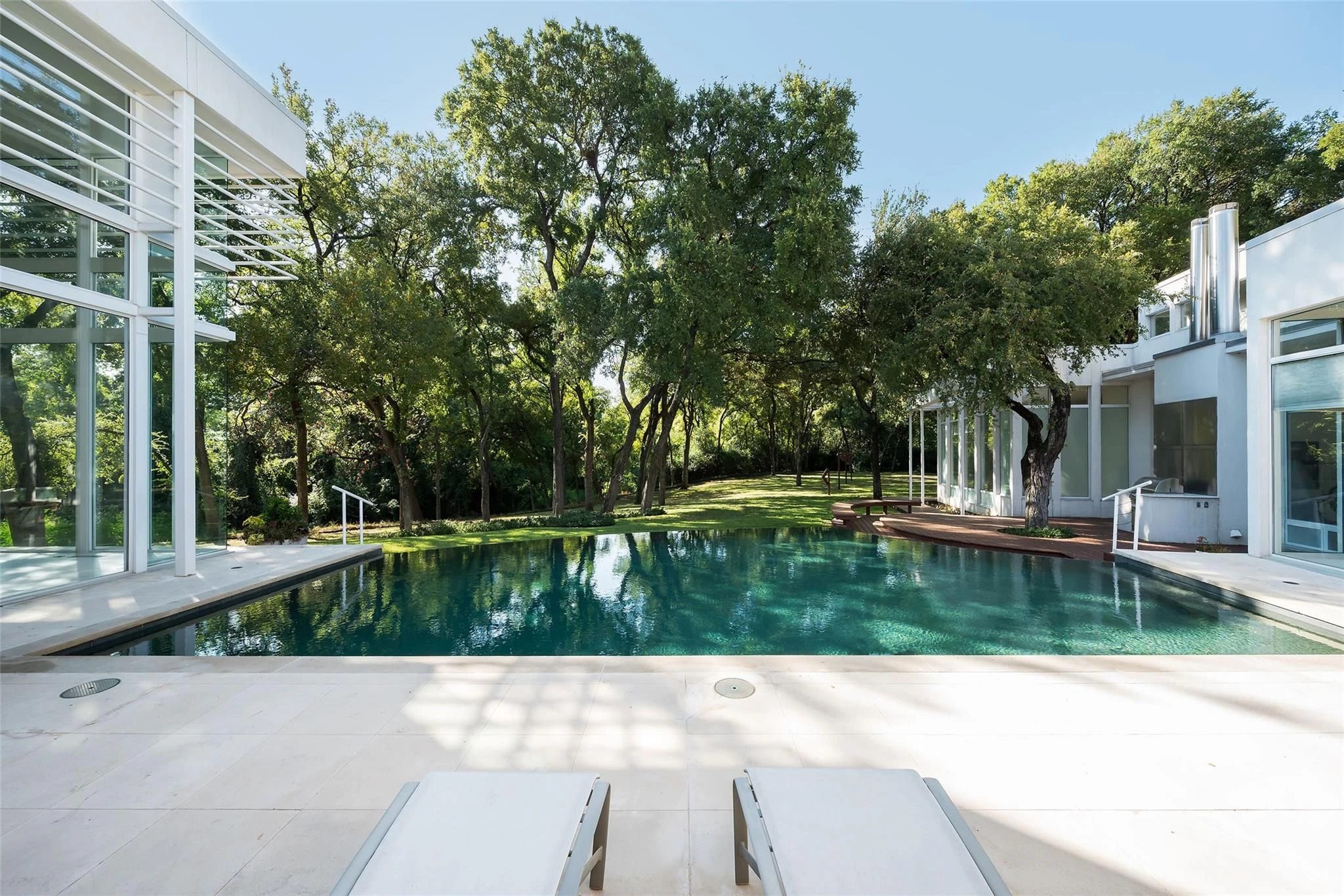
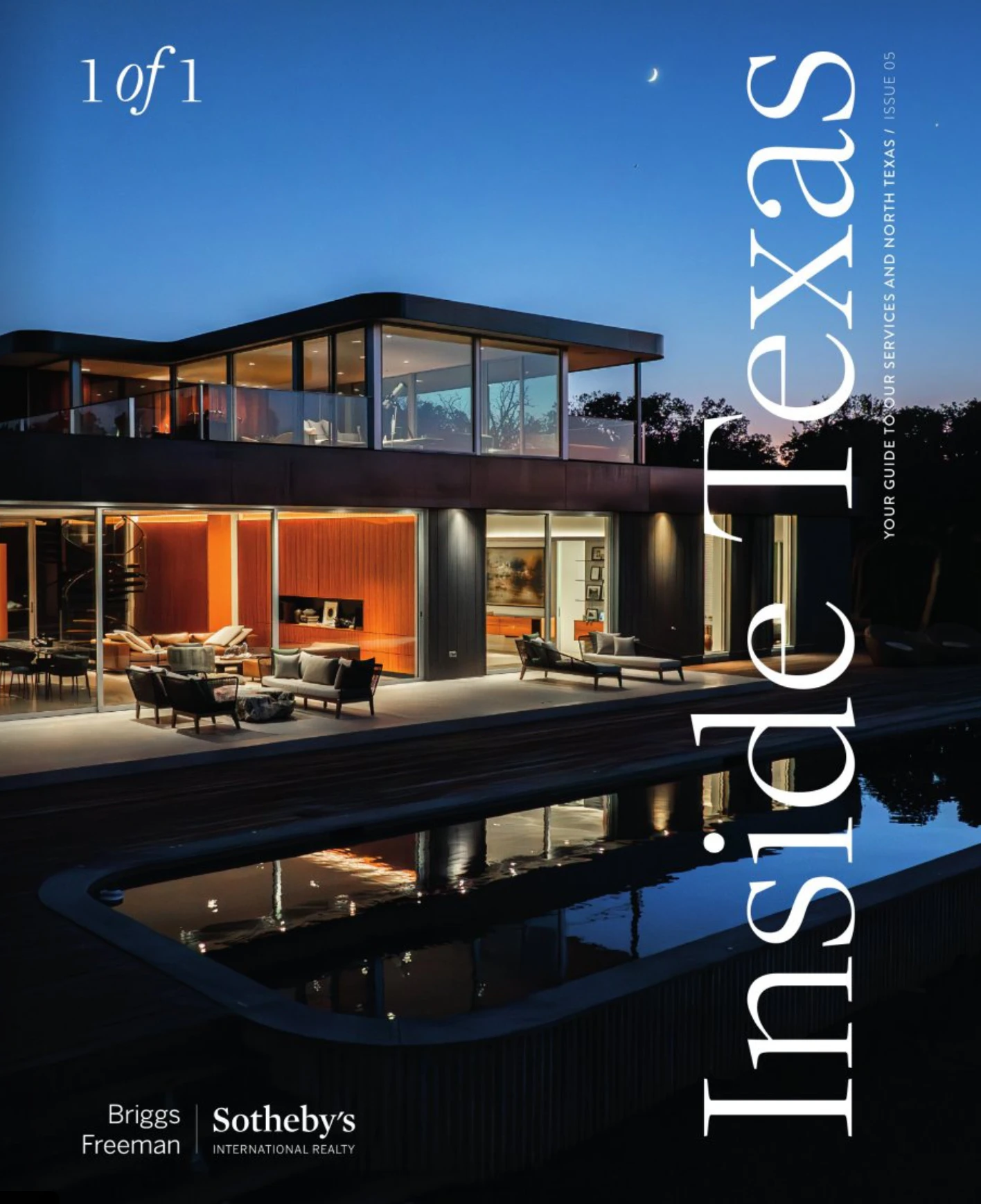
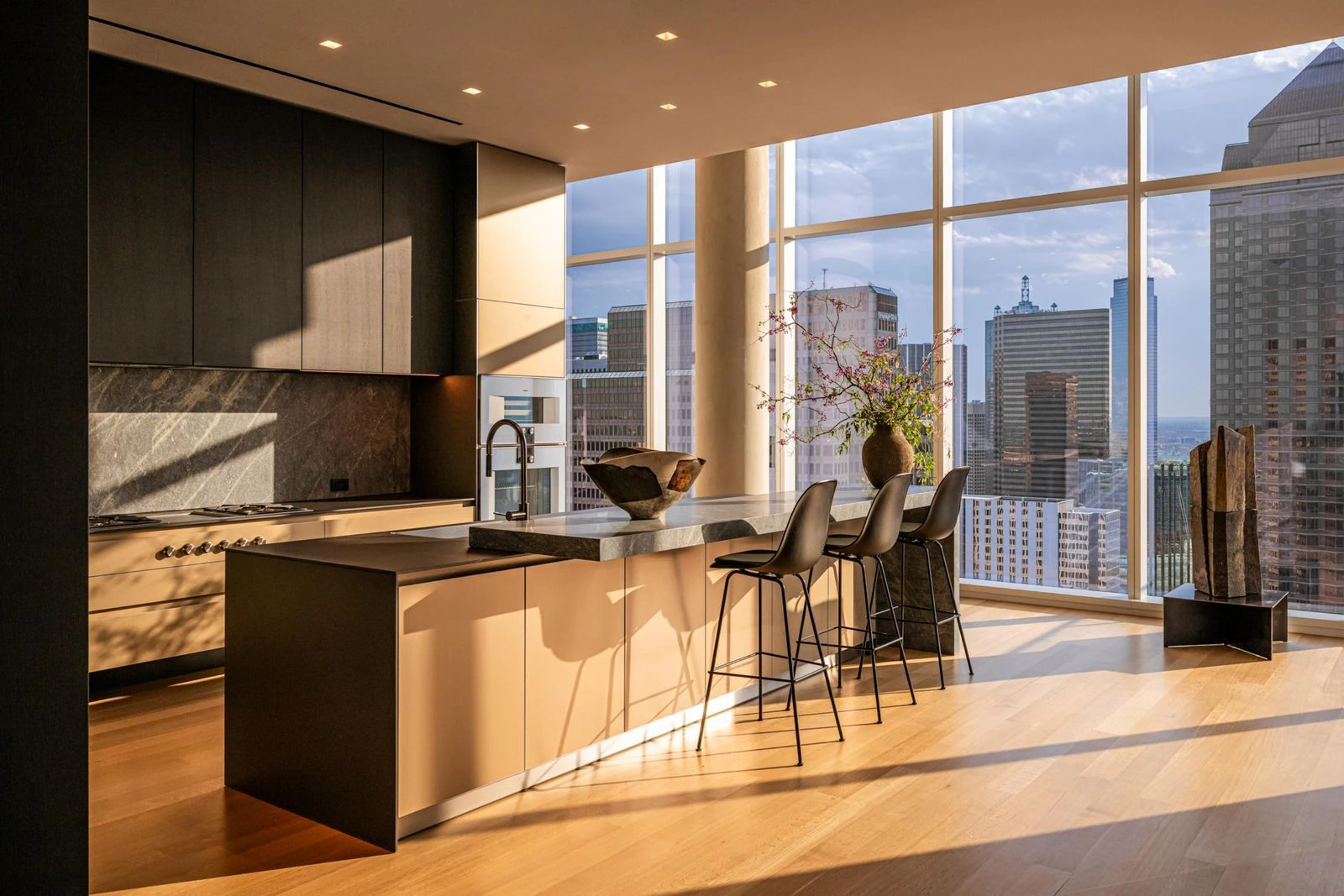
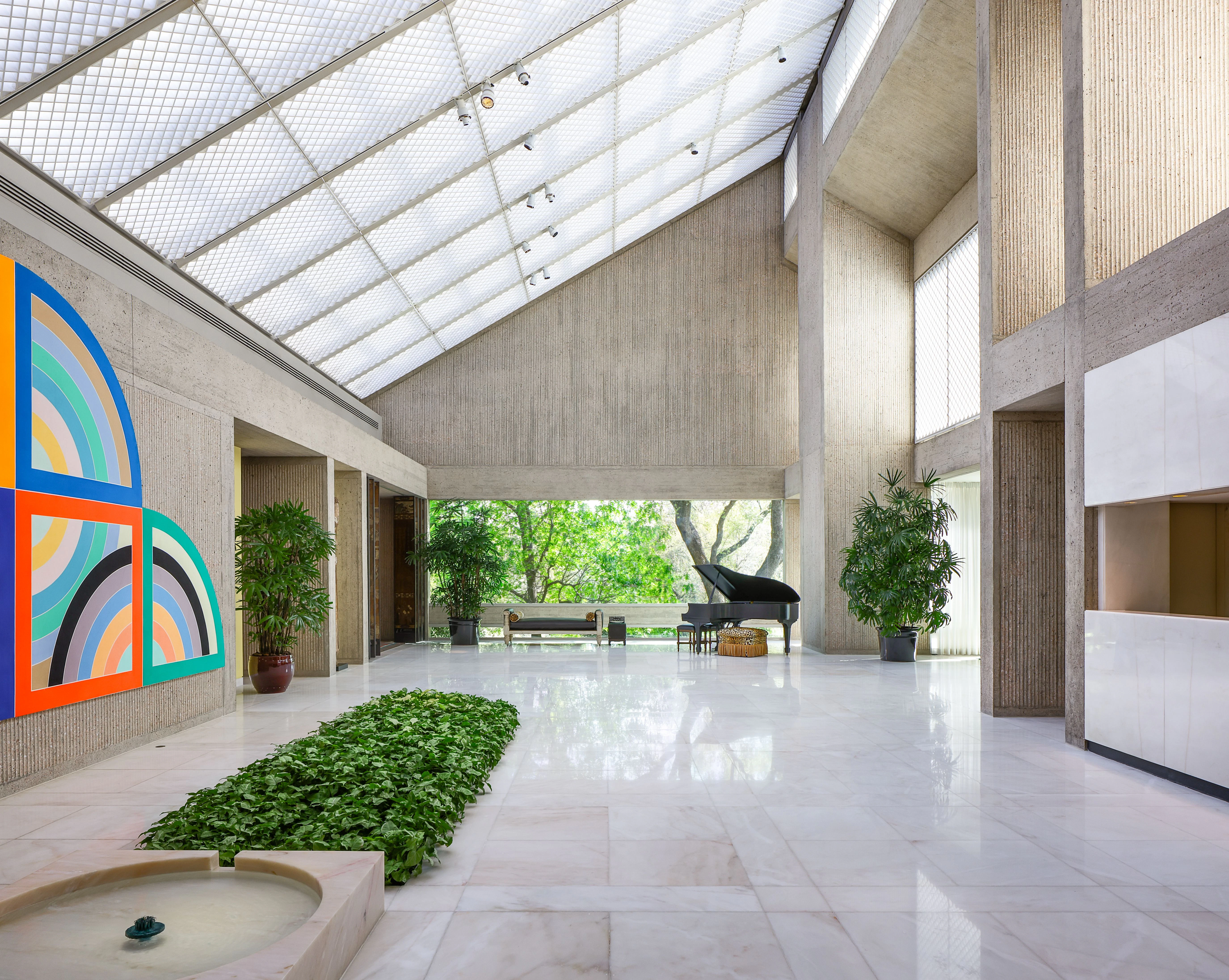
North Texas isn't just growing, it's thriving. The Dallas-Fort Worth (DFW) Metroplex has quietly become one of the most compelling relocation destinations in the country, and affluent buyers from Washington State are taking notice in significant numbers. With no state income tax, a diversified economy anchored by Fortune 500 headquarters, and a collection of world-class communities ranging from the storied Park Cities to the master-planned luxury of Southlake and the explosive growth corridors of Frisco, McKinney, and Plano, DFW offers a lifestyle that is both aspirational and attainable.
This isn't a fleeting trend. DFW has ranked among the top relocation markets nationally for over a decade, and the pipeline of corporate headquarters, major employers, and infrastructure investment shows no signs of slowing. Whether a buyer is seeking a grand estate in Highland Park, a new-construction showpiece in Southlake, or a modern luxury retreat in Frisco, North Texas delivers at every price point.
Explore the Opportunity

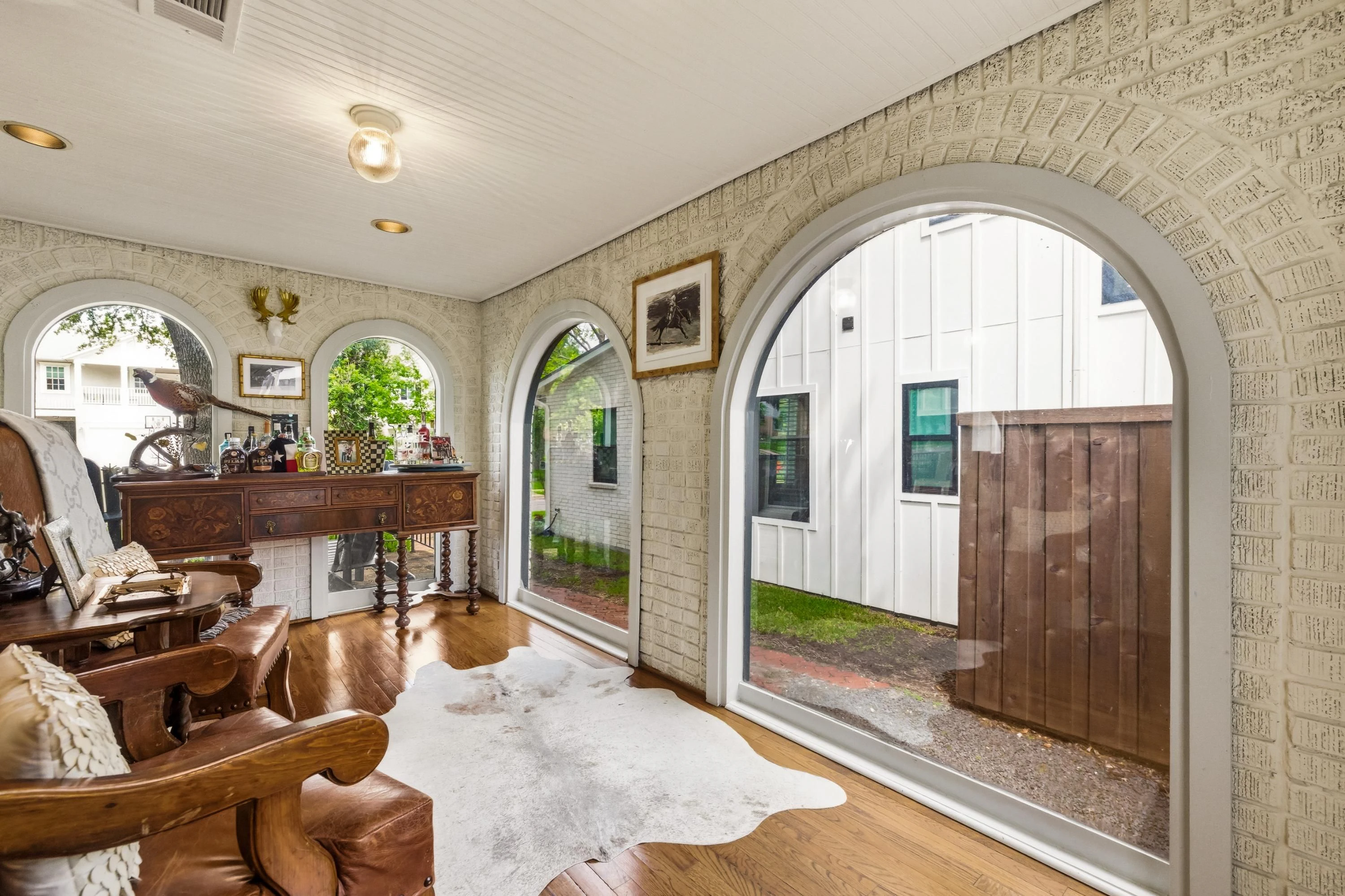
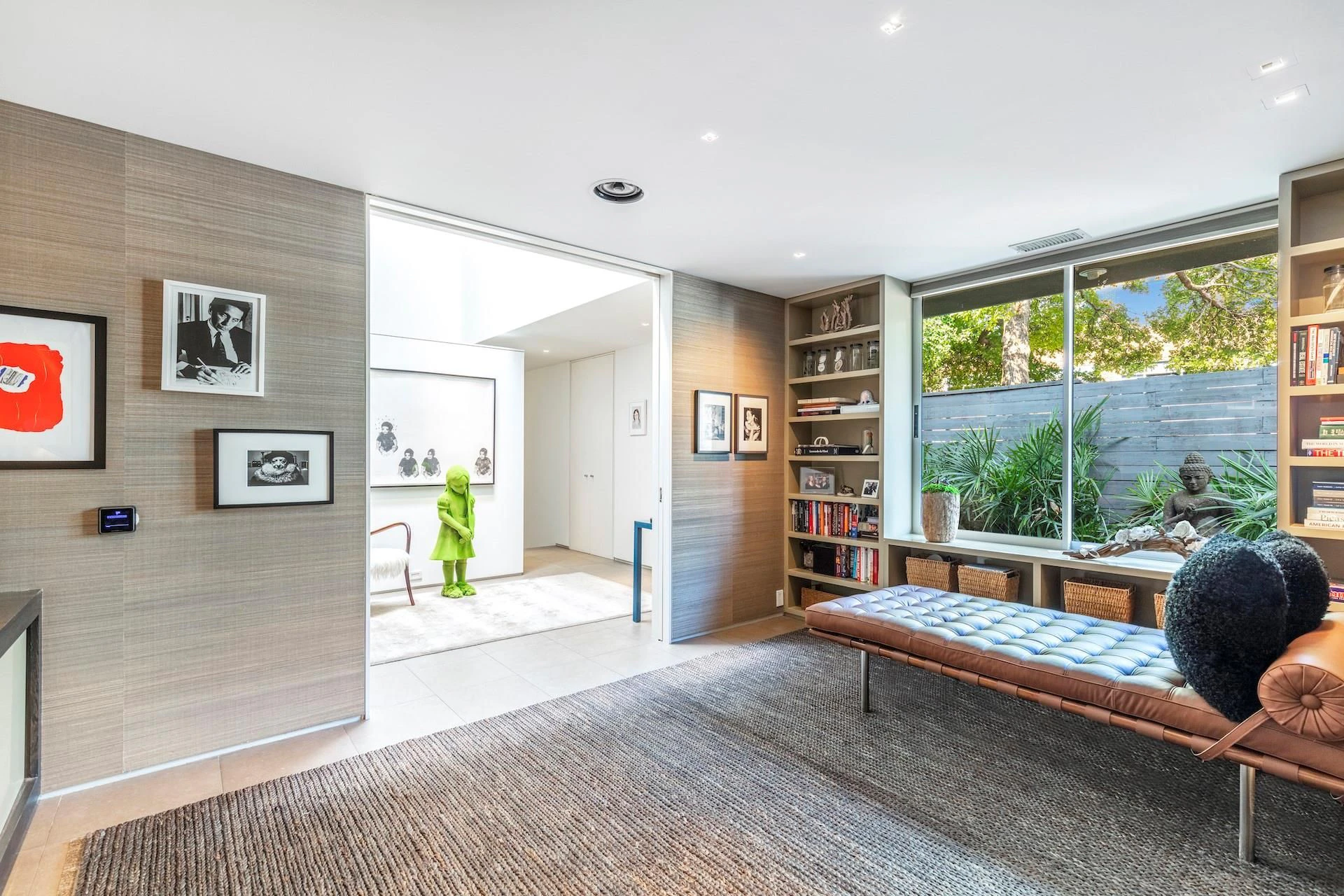
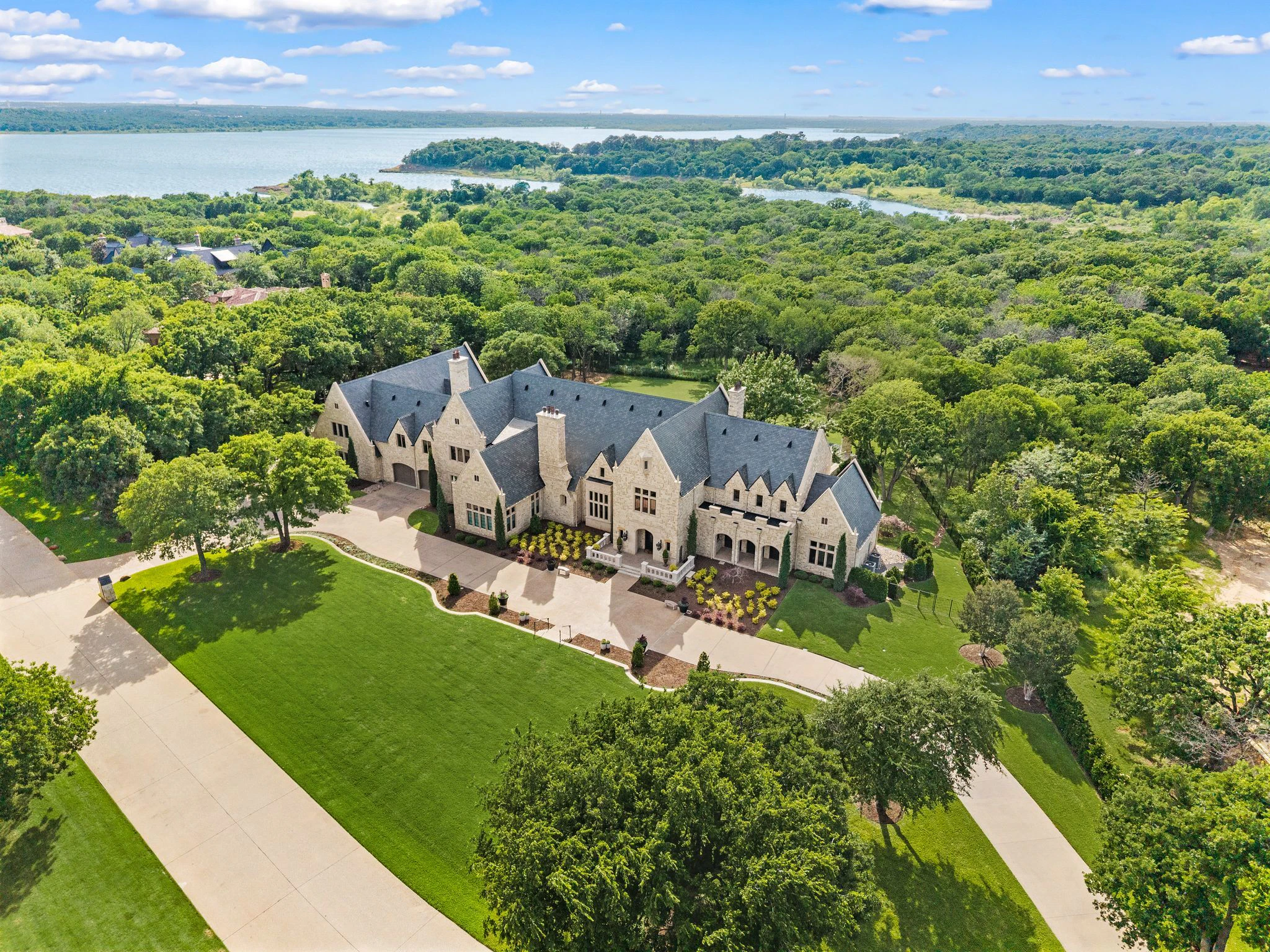
7022 Casa Loma Avenue
Dallas, TX 75214
$929,000
Claire Storey
Carol Storey
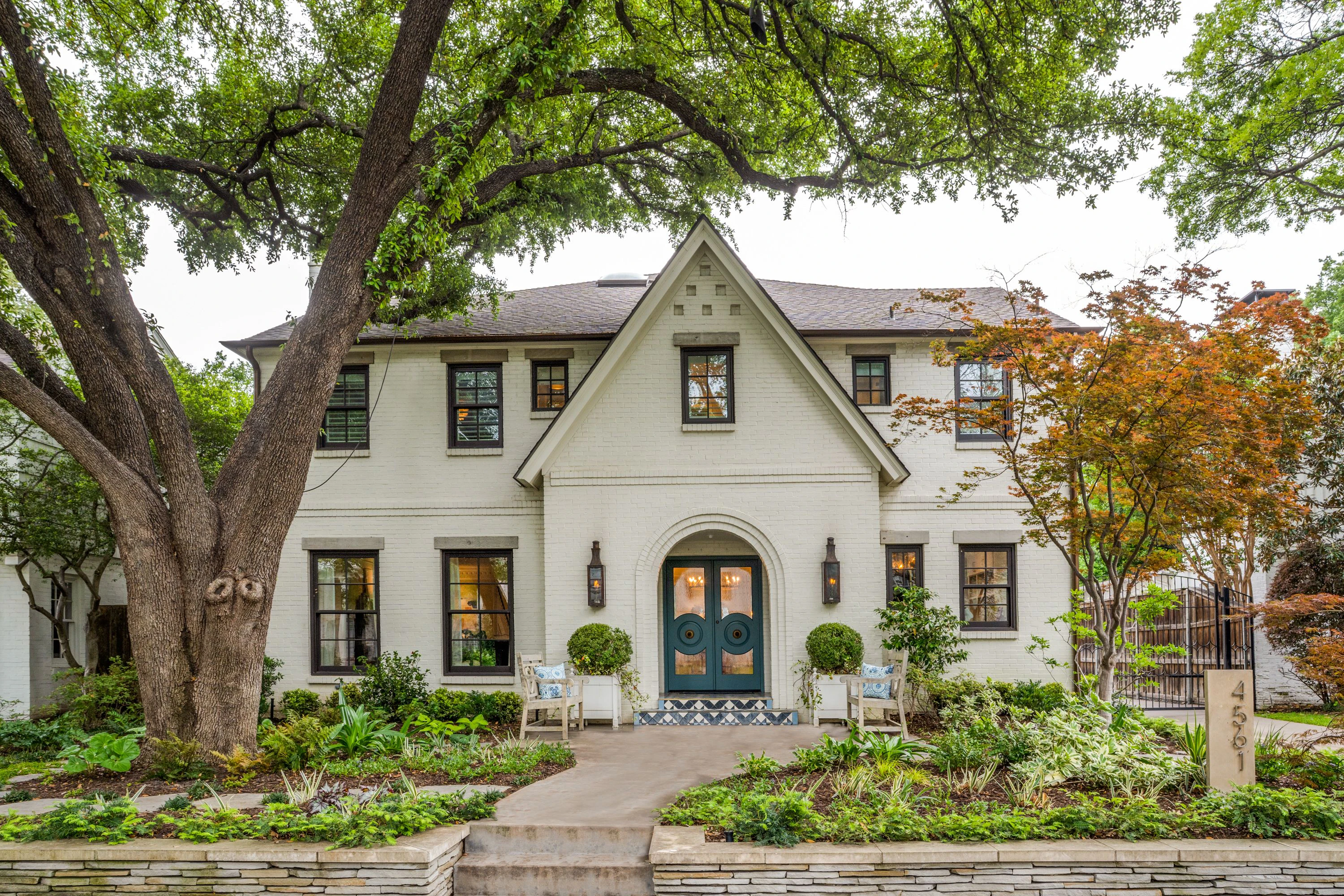
4561 Bordeaux Avenue
Highland Park, TX 75205
$3,825,000
Michelle Davis
2845 Lee Street
Dallas, TX 75206
$1,135,000
Andrew Bishkin
Linda Bishkin
2105 Bayshore Drive
Flower Mound, TX 75022
$6,995,000
Kim Bedwell
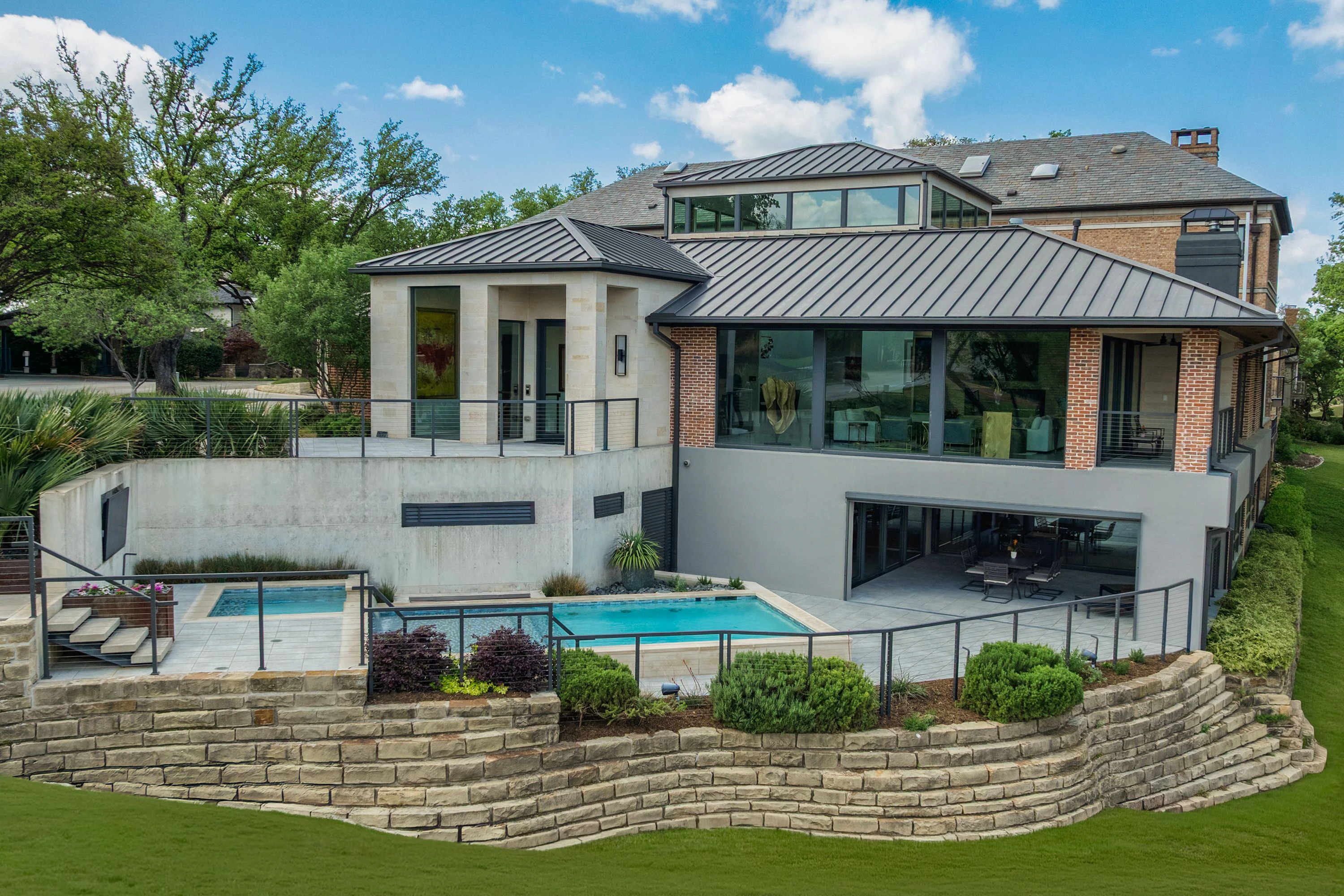
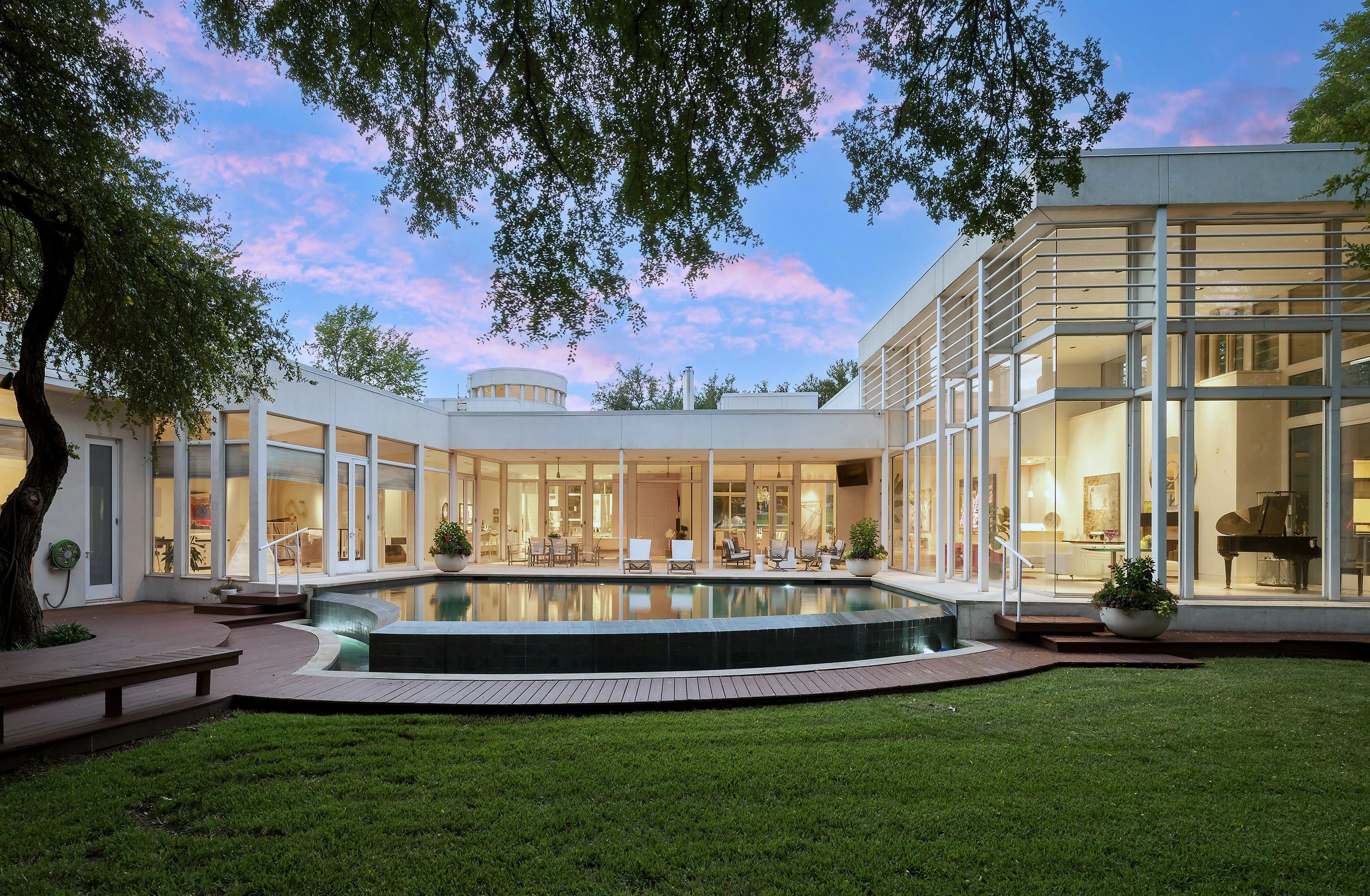
17214 Club Hill Drive
Dallas, TX 75248
$6,999,000
Lisa Besserer
Gavin Smith
4130 Cochran Chapel Road
Dallas, TX 752
$9,150,000
Clarke Landry
1747 Leonard Street U-2601
Dallas, TX 75201
$17,500,000
Kyle Richards
Cindi Caudle
1400 Shady Oaks Lane
Westover Hills, TX 76017
$22,000,000
Ashley Mooring | Ralph Randall
Madeline Jobst
Lifestyle Benefits
Beyond finances, DFW offers a lifestyle infrastructure that rivals any major metro — a world-class airport (DFW International), a thriving arts district, James Beard-recognized dining, professional sports across every major league, and communities intentionally built around family, schools, and quality of life.
270+ Days of Sunshine: DFW's climate is a dramatic departure from the Pacific Northwest. Mild winters, warm springs, and long summers make year-round outdoor living not just possible but a way of life.
World-Class Dining & Retail: From the Michelin-recognized dining scene in Dallas proper to luxury retail at NorthPark Center, Highland Park Village, and Legacy West in Plano, North Texas punches well above its weight culturally and commercially.
Outdoor Recreation & Green Space: The region offers extensive trail systems, lakes (Lake Lewisville, Grapevine Lake, White Rock Lake), golf courses designed by legends, and easy access to natural areas across North and East Texas.
Professional Sports & Entertainment: Home to the Cowboys, Rangers, Stars, Mavericks, FC Dallas, and the PGA of America's new headquarters in Frisco. Entertainment options are year-round and world-class.
Airport Connectivity: DFW International Airport is one of the busiest in the world, offering nonstop service to virtually every major domestic and international destination, critical for buyers who travel for business or maintain ties to the Pacific Northwest.


Culture & Community
The Dallas–Fort Worth Metroplex delivers a cultural and community experience that consistently surprises newcomers. Dallas anchors the nation's largest urban arts district, home to world-class museums, the Dallas Symphony Orchestra, the Dallas Opera, and a Broadway series, all connected by the beloved Klyde Warren Park. Thirty miles west, Fort Worth offers its own walkable Cultural District with the legendary Kimbell Art Museum and a genuine Western identity rooted in the Stockyards and Sundance Square. The dining scene is among the most vibrant in the country, with DFW residents eating out more than virtually any other major metro. Neighborhoods like the Park Cities, Preston Hollow, and Bishop Arts each carry their own distinct character and strong community identity. And perhaps most importantly for those relocating from the Pacific Northwest, the people are warm, the civic culture is active, and building a social life here tends to happen faster than most expect.
Top-Ranked School Districts: Highland Park ISD, Carroll ISD (Southlake), Frisco ISD, and Plano ISD are consistently among the most recognized public school systems in Texas and nationally.
Philanthropic & Civic Culture: North Texas has a deeply rooted tradition of community investment, with robust arts foundations, hospital systems, and nonprofit networks that attract and engage civically minded families.
Diversity & Inclusion: DFW is one of the most ethnically and culturally diverse metros in the South, with vibrant international communities, a robust LGBTQ+ presence, and inclusive neighborhoods across the Metroplex.
Faith Communities: For buyers where faith is central to family life, DFW offers an extraordinary range of houses of worship across every tradition and denomination.
Neighborly Identity: Despite its scale, DFW retains a genuine sense of community at the neighborhood level. From block parties in Southlake to community events in the Park Cities and downtown McKinney's farmer's markets, people here invest in where they live.
Tax Benefits
The Dallas-Fort Worth Metroplex represents one of the most tax-advantageous and lifestyle-rich destinations available to affluent buyers relocating from high-burden states like Washington. Texas levies no state income tax and no capital gains tax at the state level, an immediate and significant financial advantage for executives, entrepreneurs, and investors. Property taxes are higher than the national average, but when modeled against the elimination of Washington's capital gains tax (currently 7% on gains above $262,000) and income tax exposure at the federal deduction level, the net savings for high earners are substantial.
The Core Advantage
Washington State has no state income tax, so at first glance, the tax picture looks similar. However, the full comparison is more nuanced and still favors Texas for high-net-worth individuals in meaningful ways.
Key Tax Differences: Washington vs. Texas
- State Income Tax: Washington — None | Texas — None
- Capital Gains Tax: Washington — 7% on gains above $262,000 | Texas — None
- Estate/Inheritance Tax: Washington — 10–20% on estates over $2.09M | Texas — None
- Property Tax (average effective): Washington — ~0.84% | Texas — ~1.60–1.80%
- Sales Tax (average combined): Washington — ~10.4% | Texas — ~8.2%


Getting There
Air Travel & Airports in the Dallas–Fort Worth Metroplex
The DFW Metroplex offers one of the most robust aviation ecosystems in the world — combining a global commercial hub, a beloved city airport, and an unmatched network of private aviation facilities across the region. For those moving to DFW from Seattle, the aviation infrastructure is a significant upgrade in flexibility. SeaTac is a single major commercial airport serving the entire Puget Sound region. The DFW Metroplex offers one international mega-hub, a secondary commercial airport, and multiple world-class private aviation facilities, many within 20–30 minutes of premier residential communities in areas like Southlake, Westlake, Frisco, and Preston Hollow. For frequent flyers and private aviation users alike, the access is exceptional.
Dallas/Fort Worth International Airport (DFW) The Global Hub
- Ranked 4th busiest airport in the world in 2025, handling over 85.6 million passengers and 743,000+ aircraft operations annually
- American Airlines' largest hub by far, accounting for 82% of the airport's total capacity, with approximately 42 million seats per year
- Top domestic routes include Los Angeles, Las Vegas, Atlanta, Chicago, and Denver
- Private planes use DFW Corporate Aviation, a dedicated FBO with conference rooms, a snooze room, complimentary WiFi, and direct aircraft access
Dallas Love Field (DAL) The City Airport
- Located just 6 miles northwest of downtown Dallas, with two runways totaling 8,800 feet, accommodating business jets of all sizes
- Primary hub for Southwest Airlines, offering extensive domestic service with easy downtown access
- Features high-end FBO services through operators like Signature Flight Support and Atlantic Aviation, with general aviation facilities well-regarded for private travel
- Seven fixed-base operators (FBOs) serve private aviation needs at Love Field, one of the most FBO-rich airports in the country
Addison Airport (ADS) The Premier Private Aviation Hub
- One of the busiest general aviation airports in the United States, located approximately 14 miles north of downtown Dallas along the North Dallas Tollway
- Logged over 119,000 aircraft operations in 2023, averaging 326 per day — with 576 based aircraft including 157 jets
- Features a 7,203-foot concrete runway capable of servicing heavy jets such as the Gulfstream GIV and similar large-cabin aircraft.
- Three FBOs on-site: Atlantic Aviation, Million Air Dallas, and Galaxy FBO — all offering full concierge services, fueling, maintenance, hangar space, conference rooms, and ground transportation
Fort Worth Meacham International Airport (FTW) The Fort Worth Alternative
- Located 23 miles from DFW, a quieter alternative with FBOs including Modern Aviation FTW and Texas Jet, offering fueling, maintenance, and full concierge support
- Ideal for westbound and regional business travel, with convenient proximity to downtown Fort Worth
- A strong choice for private flyers looking to avoid DFW's busy airspace entirely
Dallas Executive Airport (RBD) The South Dallas Option
- Located a 25-minute drive from DFW, ideal for bypassing busier airspace — listed as a reliever airport for Dallas Love Field
- Well-suited for midsize and smaller jets, with strong support services and FBO facilities on-site
McKinney National Airport (TKI) The North Dallas Boutique Option
- A newer facility offering modern amenities and top-tier service in a low-traffic environment — a favorite among North Dallas residents seeking a refined, efficient alternative to the major airports
- Ideal for those living in Frisco, McKinney, Prosper, and the northern suburbs
Additional General Aviation Airports in the Metroplex
- Grand Prairie Municipal (GPM) — 20 miles west of Dallas; suitable for light jets and turboprops
- Arlington Municipal (GKY) — 24 miles southwest; serves as a reliever for Love Field and DFW
- Mesquite Metro (HQZ) — 20 miles east; capable of handling light and midsize jets
- Terrell Municipal (TRL) — approximately 30 miles east; accommodates light and midsize business jets
Scottsdale,
Arizona
Arizona Tax Advantages + Paradise Valley Luxury
Migration is Redefining Arizona Luxury Real Estate
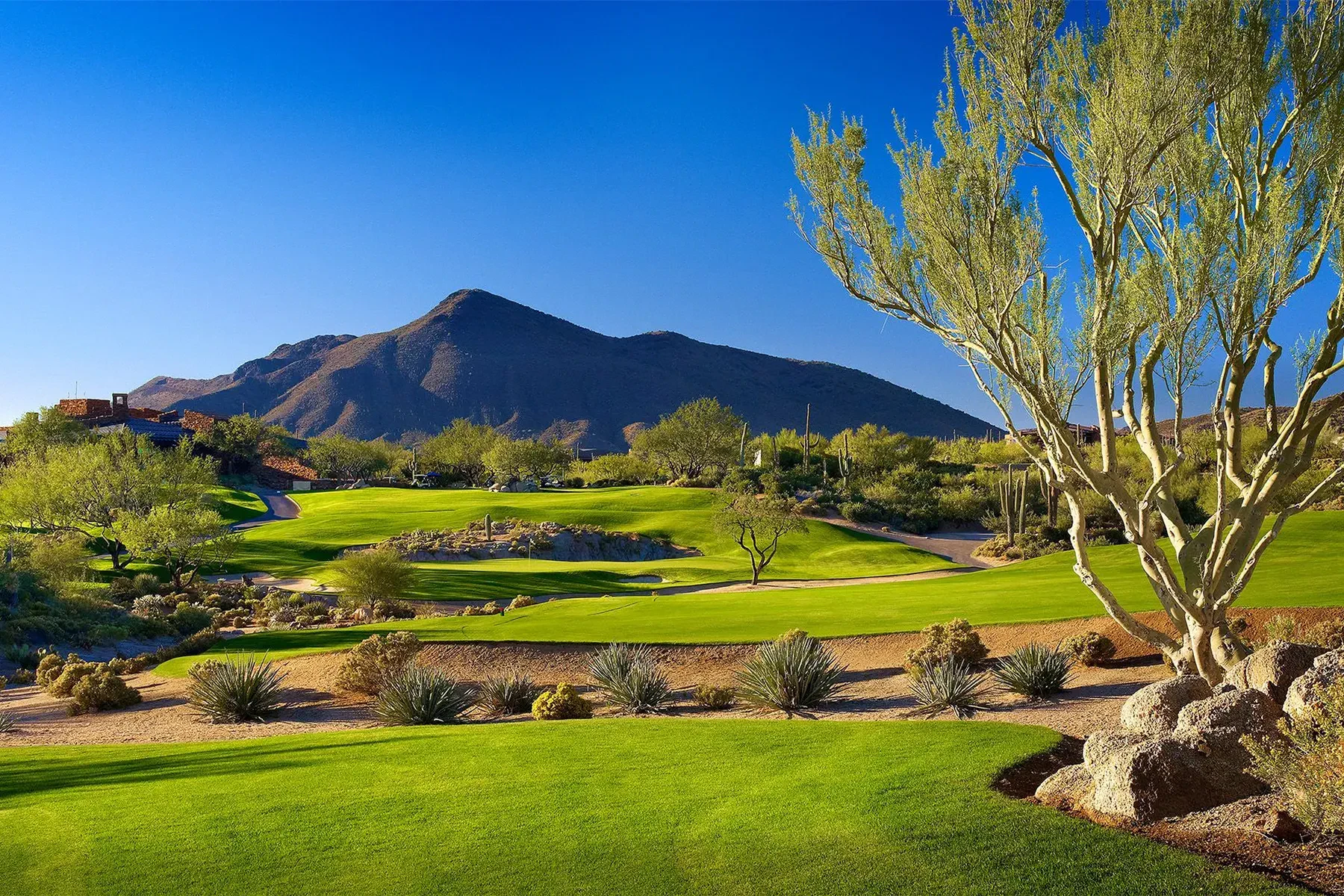
Arizona continues to emerge as one of the most compelling destinations for affluent buyers relocating from Washington, offering a rare balance of lifestyle, accessibility, and long-term value. Drawn by the state’s year-round sunshine, diverse landscapes, and favorable tax environment and cost of living, many high-net-worth individuals are choosing Arizona as either a primary residence or a dual-market lifestyle between the Pacific Northwest and the Southwest.
Local Leaders and Experts
Rising taxes in Washington are driving increased interest from Seattle buyers looking to relocate to Arizona, drawn by its sunshine, major events, growing tech investment, and more favorable tax climate. Listen in as Todd Gillenwater and Zane Belden of Russ Lyon Sotheby's International Realty discuss the appeal of Arizona.
Explore the Opportunity
(Greater Arizona)
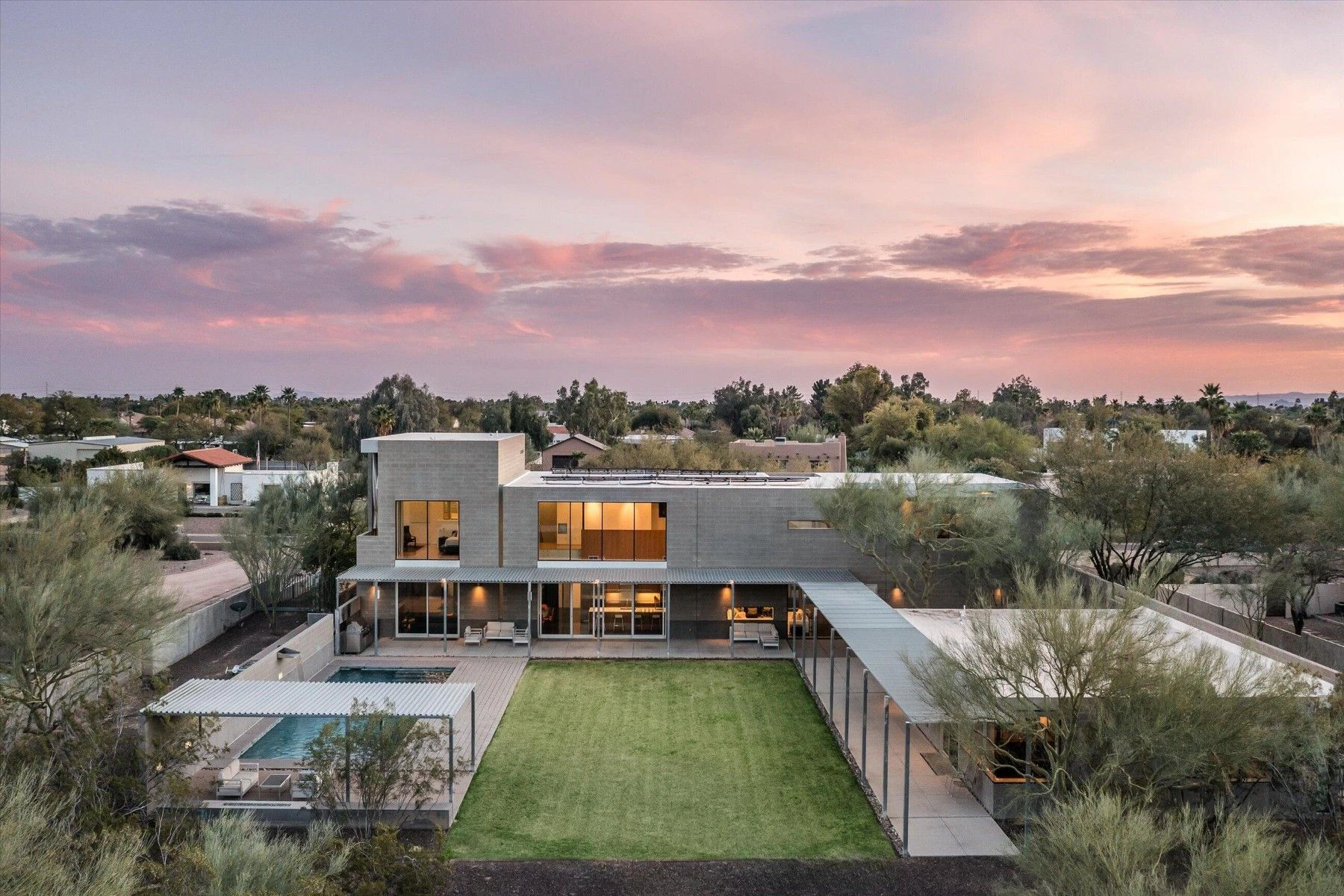
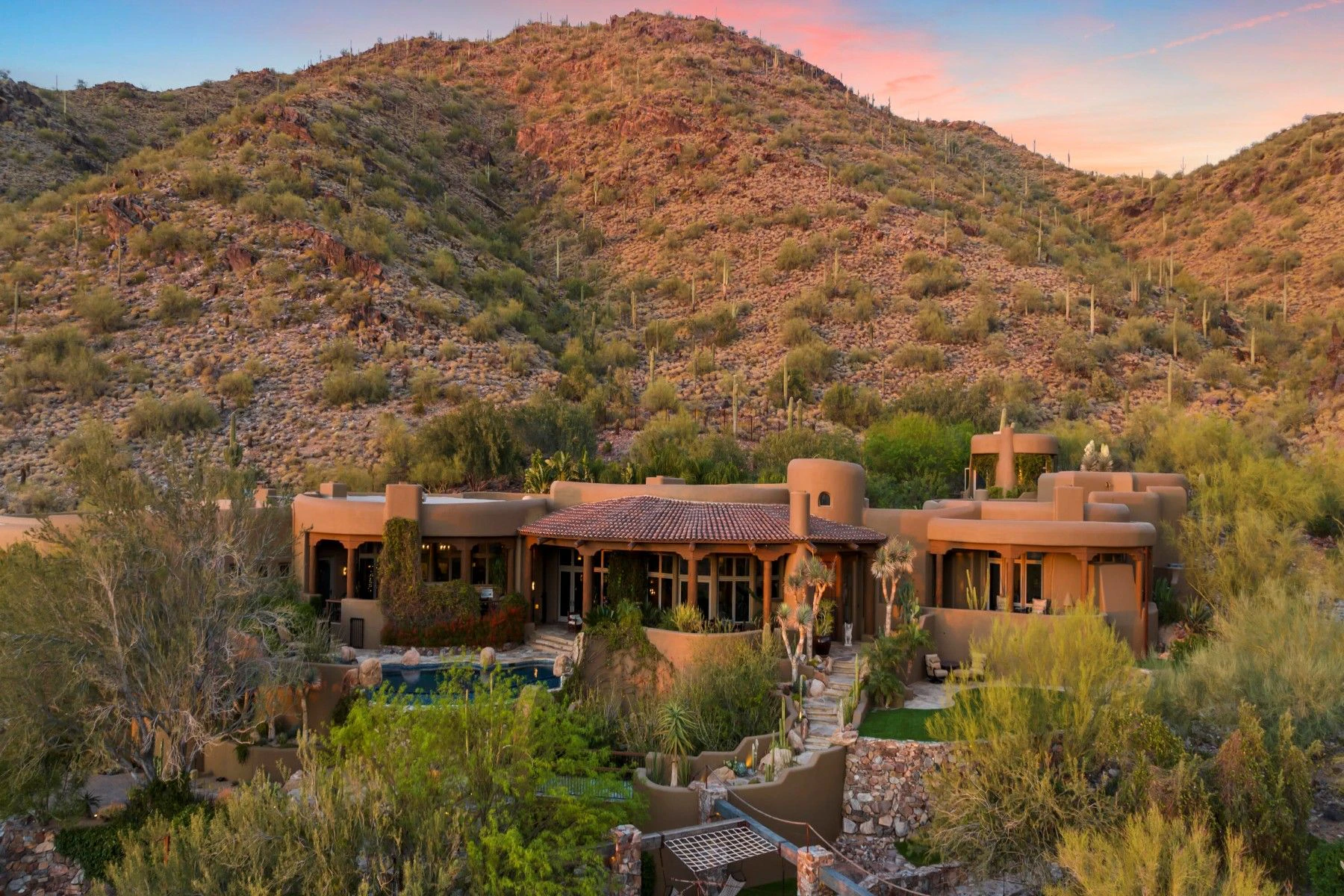
10010 East Jenan Drive
Scottsdale, AZ 85260
$4,995,000
Misha Renteria
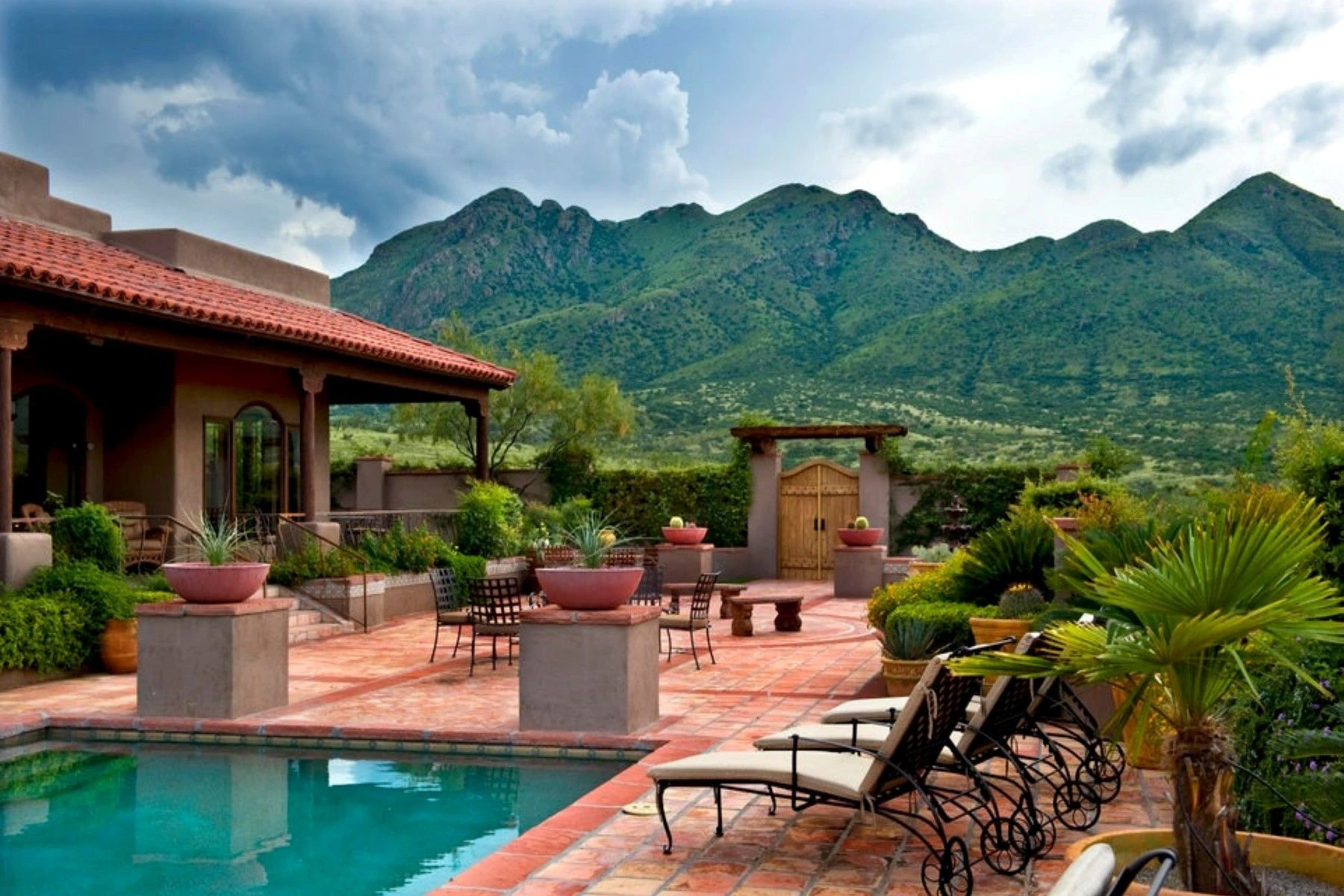
1265 Morning Star Drive
Tubac, AZ 85646
$4,590,000
Gary Brasher
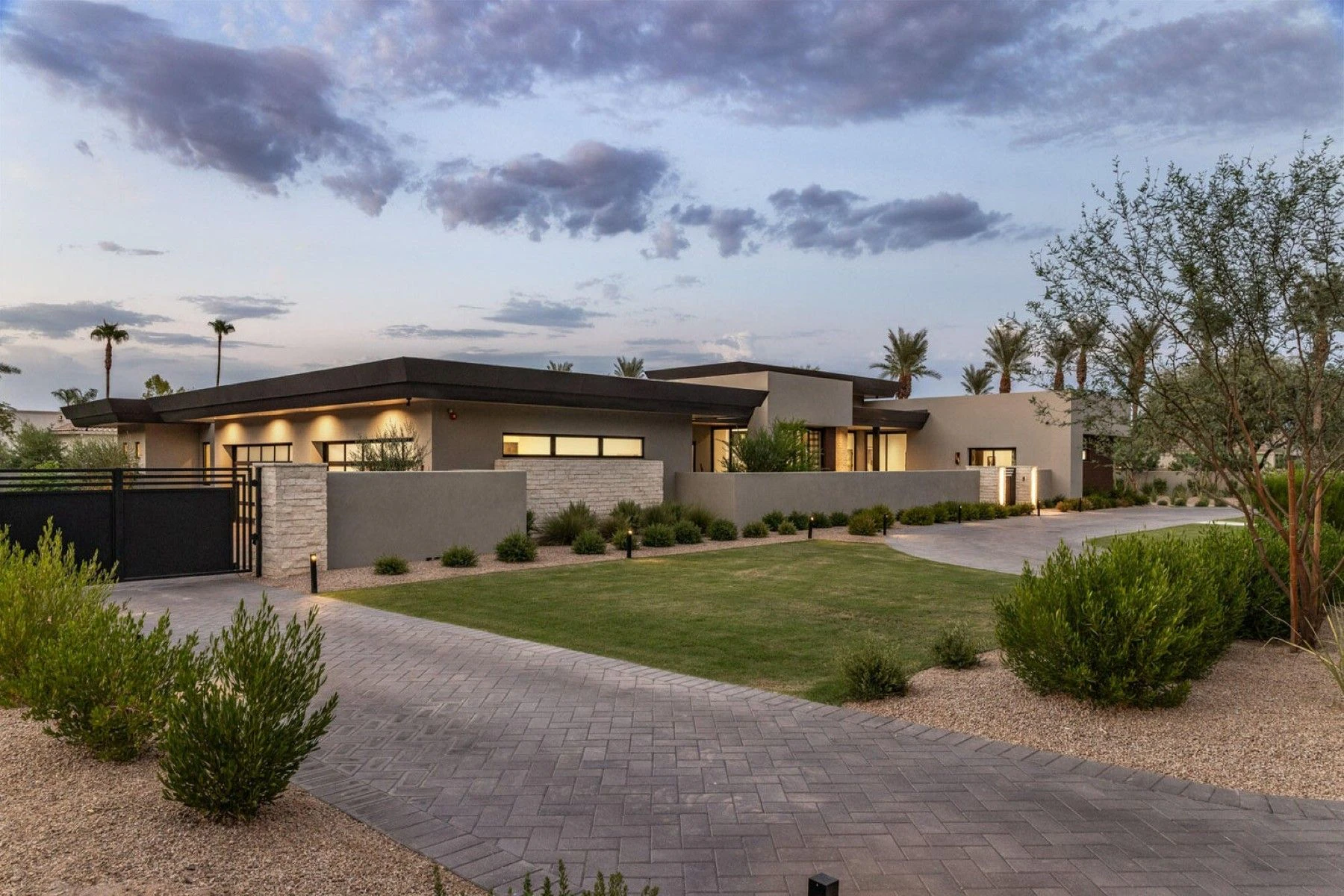
7044 East Cheney Drive
Paradise Valley, AZ
$6,850,000
Craig Bennett
10500 E. Lost Canyon Drive | U-17
Scottsdale, AZ 85255
$11,000,000
Dave Pattison
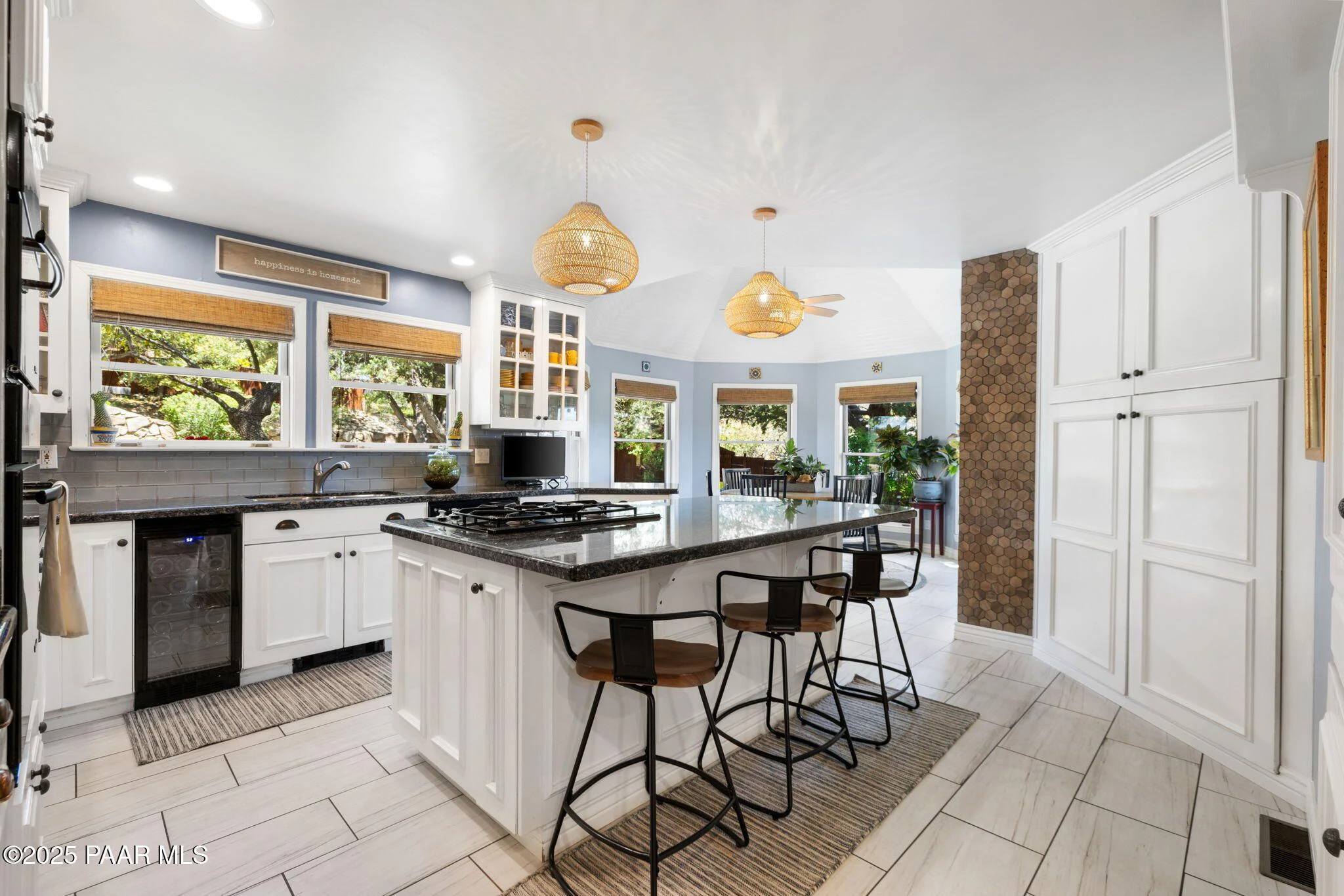
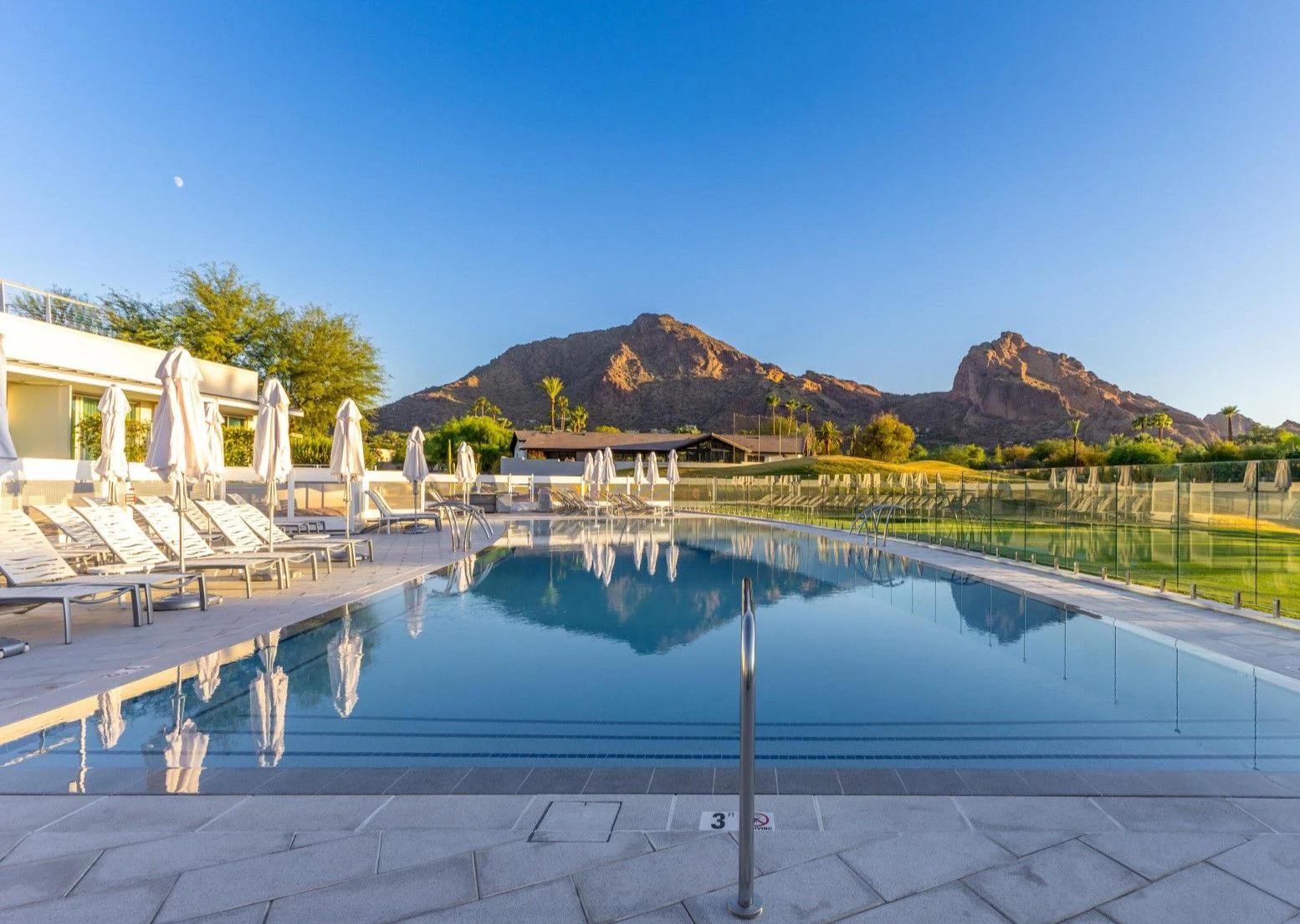
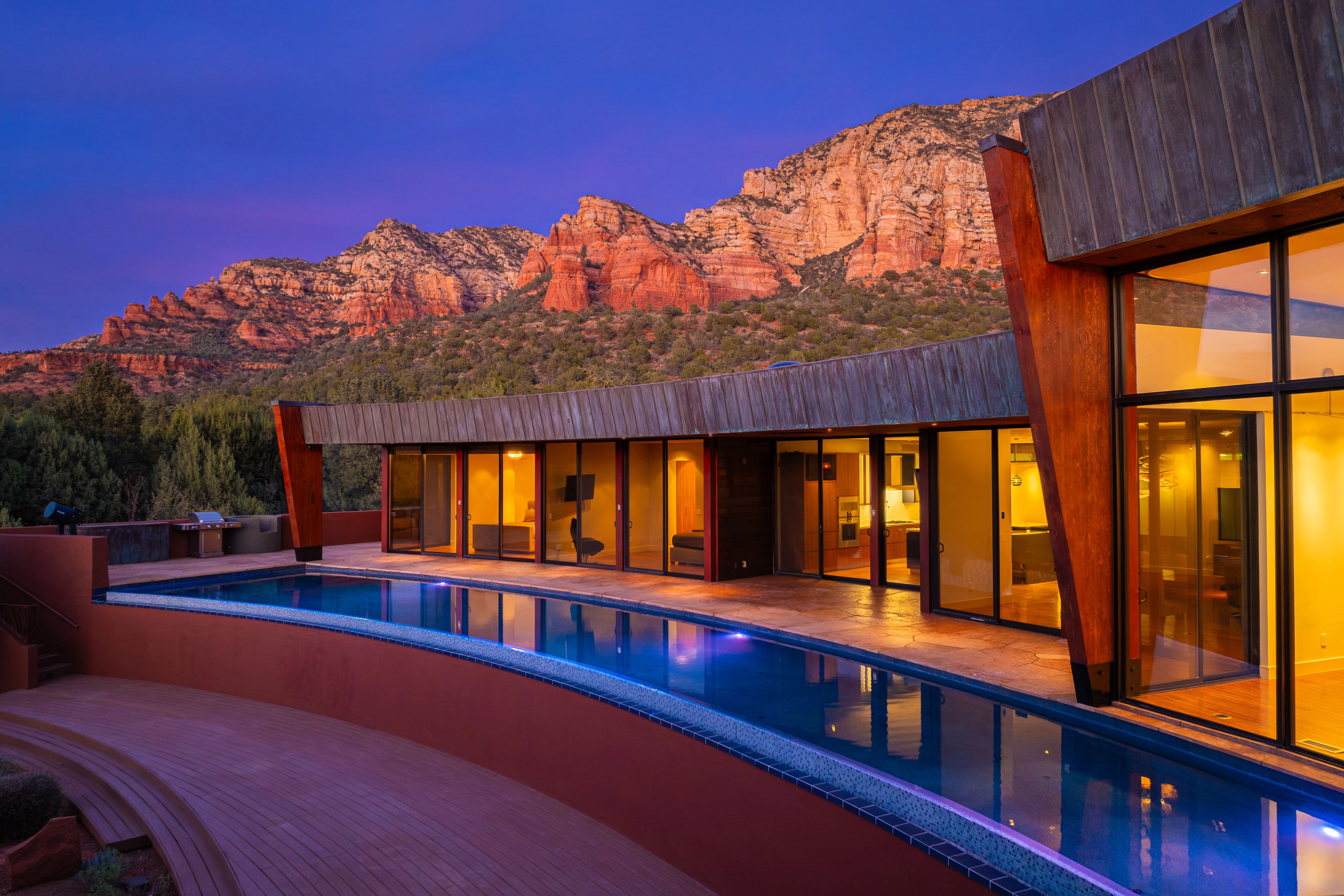
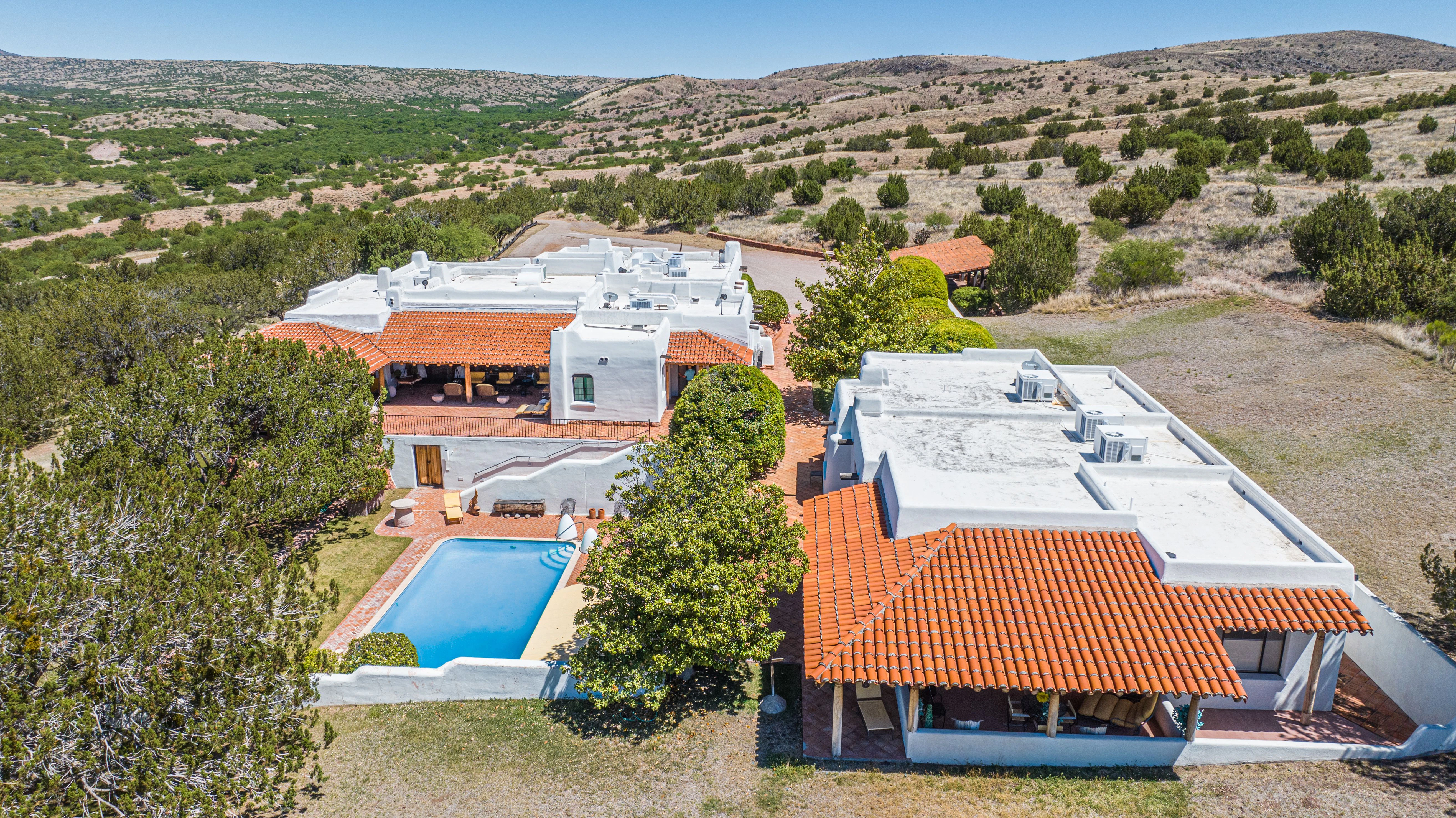
543 S Hassayampa Drive
Prescott, AZ 86303
$1,399,000
Molly Auman
5455 E Lincoln Drive U-1014
Paradize Valley, AZ 85253
$1,750,000
Tim Hundelt
35 Garnet Hill
Sedona, AZ 85255
$5,995,000
Jeanette Sauer
2671 Highway 82
Patagonia, AZ
$19,50-0,000
Gary Brashier
Lifestyle Benefits
One of Arizona’s greatest draws is its lifestyle. The climate supports year-round outdoor living, with ample sunshine and mild winters that appeal strongly to buyers coming from the Pacific Northwest. Many homes are designed to take full advantage of this, with expansive patios, pools, outdoor kitchens, and seamless indoor-outdoor flow.
The state also offers a broad mix of recreation and culture. Residents enjoy hiking, biking, golf, spa and wellness experiences, and easy access to scenic destinations across the state. In communities like Scottsdale, Sedona, and Tucson, buyers are also drawn to the dining scene, arts culture, and strong sense of community.
Year-Round Sunshine & Outdoor Living
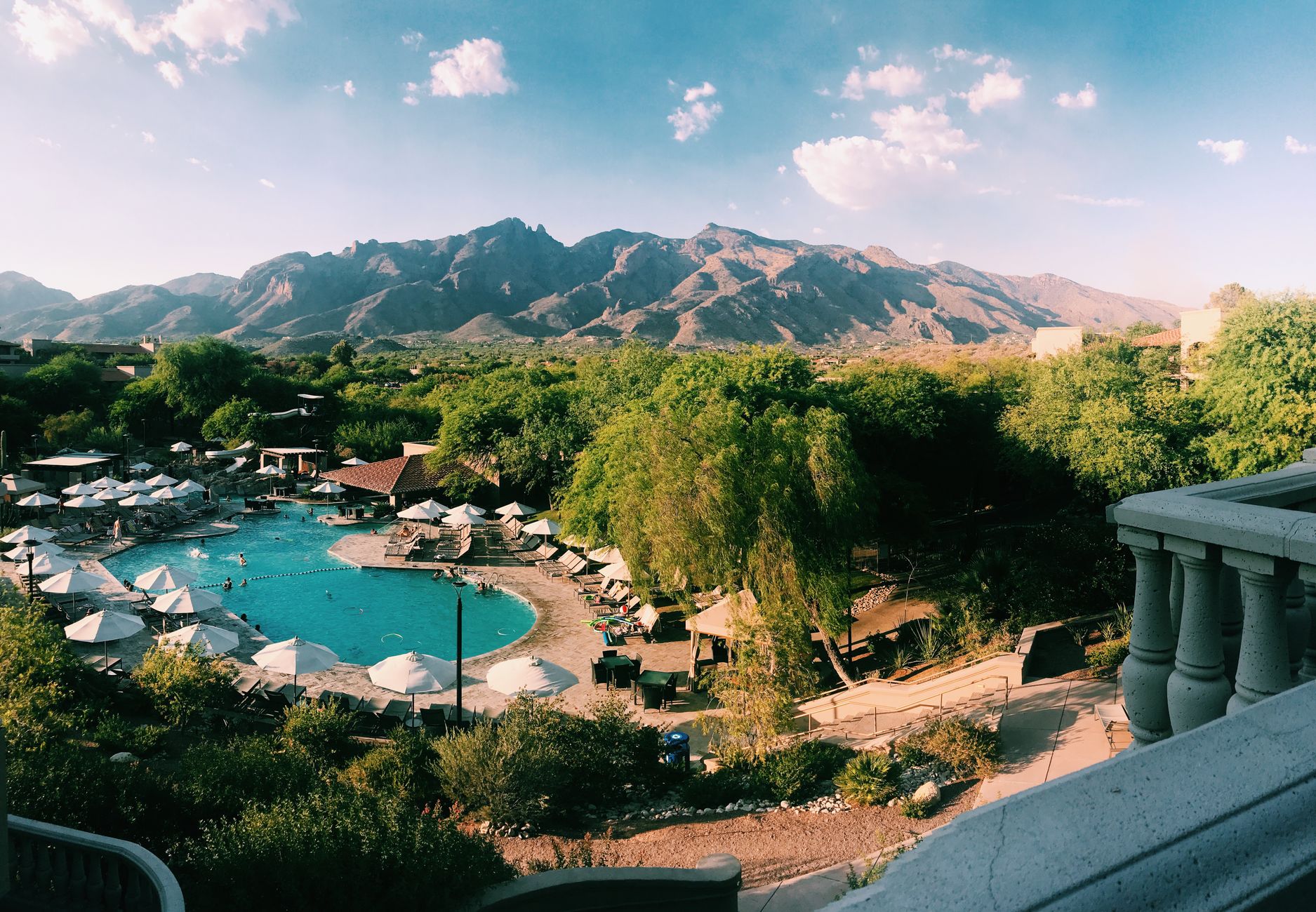
Scottsdale enjoys over 300 sunny days per year, making it ideal for golf, hiking, cycling, and dining al fresco. The McDowell Sonoran Preserve offers 225+ miles of trails right within city limits, a rare luxury for a major metro area.
World-Class Golf & Recreation Scottsdale is arguably the golf capital of the U.S., with over 200 courses in the greater Phoenix area. Beyond golf, residents have easy access to desert hiking, spring training baseball, tennis, pickleball, and luxury spas, an exceptionally active lifestyle year-round.
Thriving Food, Arts & Nightlife Scene
Old Town Scottsdale blends a vibrant restaurant and bar scene with genuine arts culture. The city hosts hundreds of galleries, the renowned Scottsdale Arts Festival, and world-class restaurants from celebrity chefs, a cultural depth that surprises many newcomers.
Quality of Life & Safety
Scottsdale consistently ranks among the safest and most livable cities in the Southwest. Top-rated schools, clean streets, well-maintained infrastructure, and a strong local economy make it particularly attractive for families and retirees alike.
Proximity to Everything
Scottsdale sits in a sweet spot — close to Phoenix Sky Harbor Airport (great for frequent travelers), a short drive from the cool pines of Sedona and Flagstaff (a welcome escape from summer heat), and within reach of Las Vegas and San Diego for weekend getaways.

Culture & Community
Arizona is more than a place to live, it's a lifestyle. From the sun-drenched fairways of Scottsdale to the roaring crowds at a Cardinals game or a Suns playoff run, the Phoenix metro offers a richness of culture, community, and recreation that rivals any major market in the country. World-class dining, a booming arts scene, master-planned neighborhoods designed for connection, and over 300 sunny days a year create a backdrop where outdoor adventure and urban sophistication coexist effortlessly. Whether you're drawn by the energy of a big-league sports town, the tranquility of a desert preserve at sunrise, or the warmth of a tight-knit planned community, Arizona has quietly become one of the most compelling places in America to call home.
Pro sports scene: The Valley is one of only 13 U.S. metros with franchises in all four major sports (NFL, MLB, NBA, NHL). The Waste Management Phoenix Open ("The Greatest Show on Turf") draws 700,000+ fans each February, making it the most-attended golf tournament in the world. Spring Training brings 15 MLB teams to the Valley, which is a genuinely beloved community tradition, not just a tourist event.
Master-planned communities: What makes Arizona's MPCs distinctive is how thoroughly they're designed around lifestyle amenities. Communities like Verrado near Buckeye were built on New Urbanism principles, walkable main streets, front porches, town squares, which creates an unusually strong neighborhood identity. The West Valley (Goodyear, Buckeye, Peoria) has seen explosive growth in this category over the last decade.
The ASU factor: Arizona State University in Tempe is transformative for the region's culture. It's a top research institution with nearly 150,000 students across campuses, and its presence fuels everything from the startup ecosystem and live music venues to sports bars and public art.
College sports rivalry: Don't underestimate how seriously Arizonans take the Arizona State Sun Devils vs. University of Arizona Wildcats rivalry, "The Duel in the Desert" in football is one of the most heated regional rivalries in the Pac-12 era.
The "snowbird" community culture: A large seasonal population from the Midwest and Canada shapes Arizona's social fabric significantly, particularly in retirement and active adult communities. This creates a vibrant seasonal events calendar from October through April.
Tax Benefits
Arizona's tax environment is one of the most compelling in the Sun Belt, and increasingly, one of the key reasons individuals, families, and businesses are choosing to relocate here from higher-tax states like California, New York, and Illinois. With a flat income tax rate, no estate or inheritance tax, and a relatively low overall tax burden, Arizona offers meaningful financial advantages that compound over time, making the decision to move not just a lifestyle choice, but a smart financial one.
- Flat Income Tax Rate: Arizona has moved to a flat 2.5% state income tax rate, one of the lowest flat rates in the nation. For high earners relocating from California (where rates reach 13.3%) or New York (10.9%), the savings are immediate and substantial.
- No Estate or Inheritance Tax: Arizona does not levy an estate tax or inheritance tax, allowing wealth to transfer to heirs without an additional state-level tax burden, a significant advantage for retirees and families engaged in estate planning.
- No Tax on Social Security Income: Arizona does not tax Social Security benefits, making it a particularly attractive destination for retirees looking to maximize their retirement income.
- Favorable Capital Gains Treatment: Capital gains in Arizona are taxed as ordinary income at the flat 2.5% rate, far below what investors would pay in most coastal states.
- Competitive Property Taxes: Arizona's effective property tax rate is well below the national average, consistently ranking among the lowest in the western U.S., a meaningful ongoing savings for homeowners.
- Business-Friendly Tax Climate: Arizona has no inventory tax, no tax on manufacturing machinery and equipment, and offers a variety of incentives for businesses relocating or expanding in the state, making it attractive for entrepreneurs and executives alike.
Low Overall Tax Burden: When combining income, property, and sales taxes, Arizona consistently ranks in the bottom third nationally for overall tax burden, according to analyses by the Tax Foundation and similar organizations.


Getting There
- Phoenix Sky Harbor International Airport (PHX): The primary gateway to the region and one of the busiest airports in the country, Sky Harbor sits just 7 miles from Old Town Scottsdale, roughly a 15-minute drive without traffic. It offers direct flights from virtually every major U.S. city and dozens of international destinations, with service from American, Southwest, Delta, United, Alaska, and more.
- Phoenix-Mesa Gateway Airport (AZA): Located in Mesa, about 25 miles southeast of Scottsdale, Gateway is served primarily by Allegiant Air and offers low-cost nonstop routes to dozens of secondary U.S. markets. A great option for budget-conscious travelers from smaller cities.
- Scottsdale Airport (SDL): A general aviation and private jet hub, Scottsdale Airport is one of the busiest general aviation airports in the U.S. For those flying private, it offers exceptional convenience, sitting directly in Scottsdale with FBO services from Landmark, Jet Aviation, and others.
Las Vegas, Nevada
Nevada's Tax Advantages + Las Vegas Luxury
Why Nevada, Why Now?
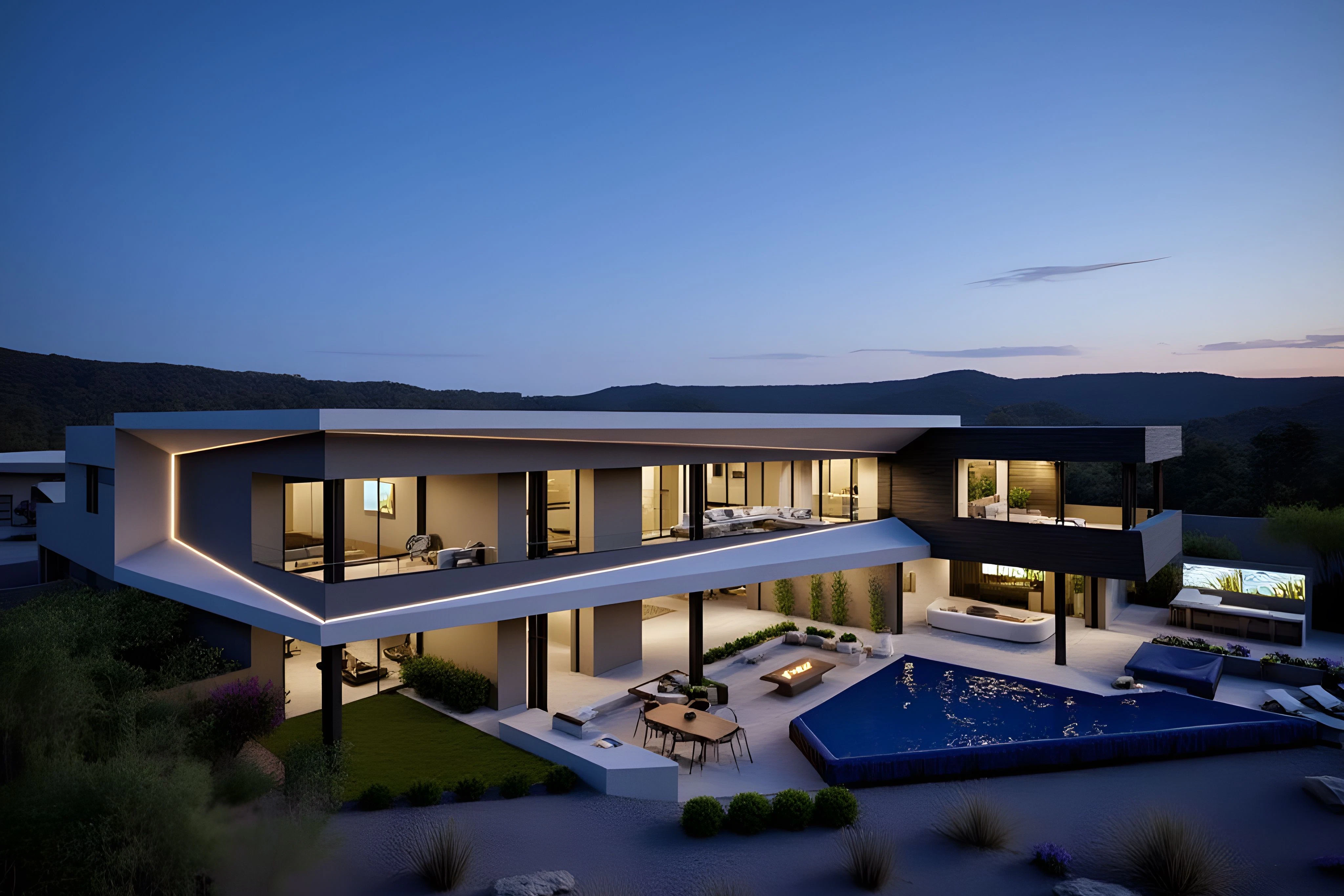
For Washington residents ready to move beyond a rising tax climate and into markets that reward success, Nevada offers a rare combination of no income tax, world-class living, and burgeoning super prime real estate market. Southern Nevada, anchored by Las Vegas, Summerlin, and Henderson, has emerged as an increasingly attractive destination for affluent buyers seeking a dynamic lifestyle paired with favorable financial advantages. As high-net-worth individuals evaluate relocation opportunities across the United States, Las Vegas continues to stand out for its combination of tax benefits, global connectivity, and world-class entertainment and recreation. Affluent Washington residents have already begun their descent on Las Vegas with a notable spike in residents seeking refuge from Washington's increasing tax burden for high income earners.
Explore the Opportunity
(Desert Valley)
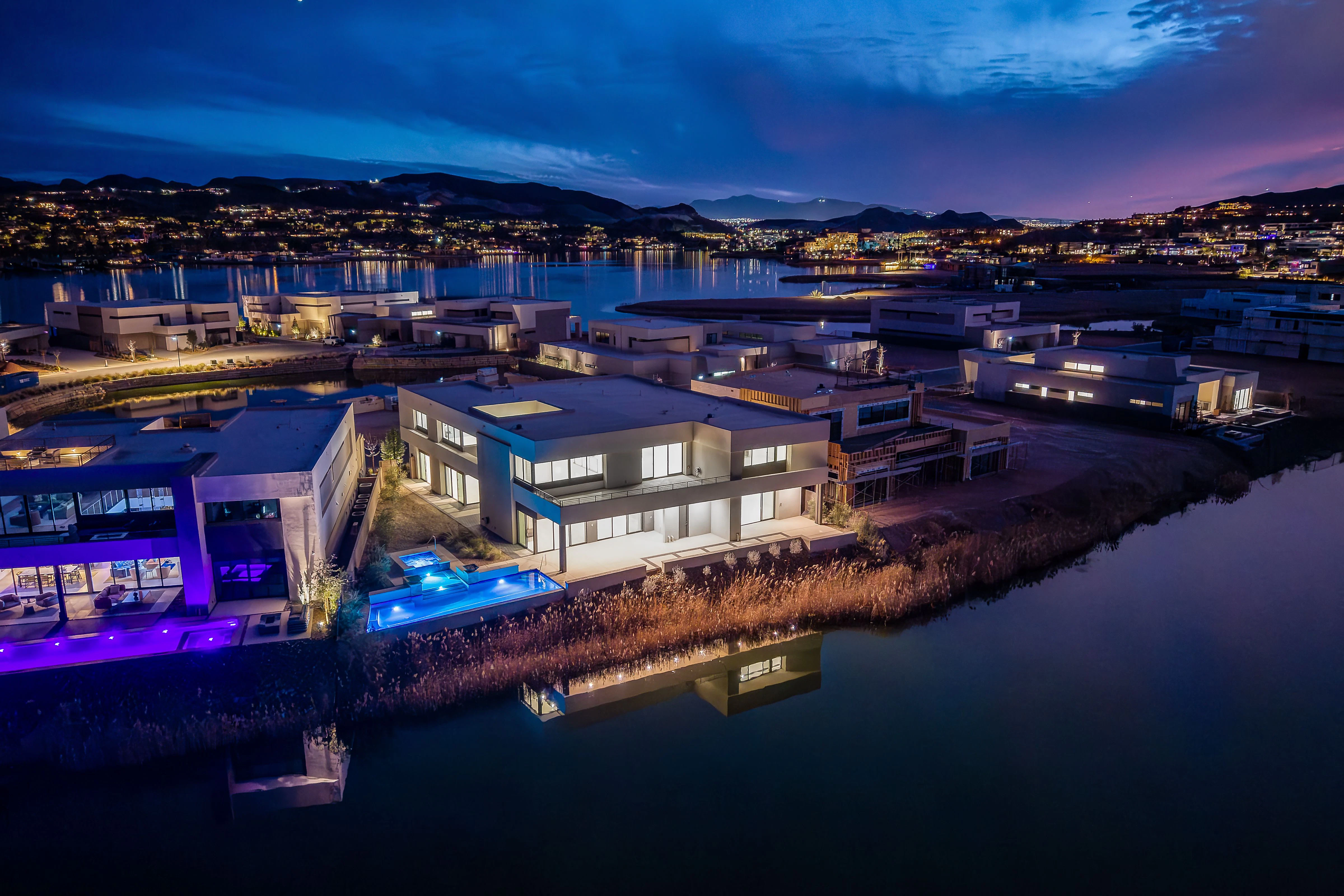
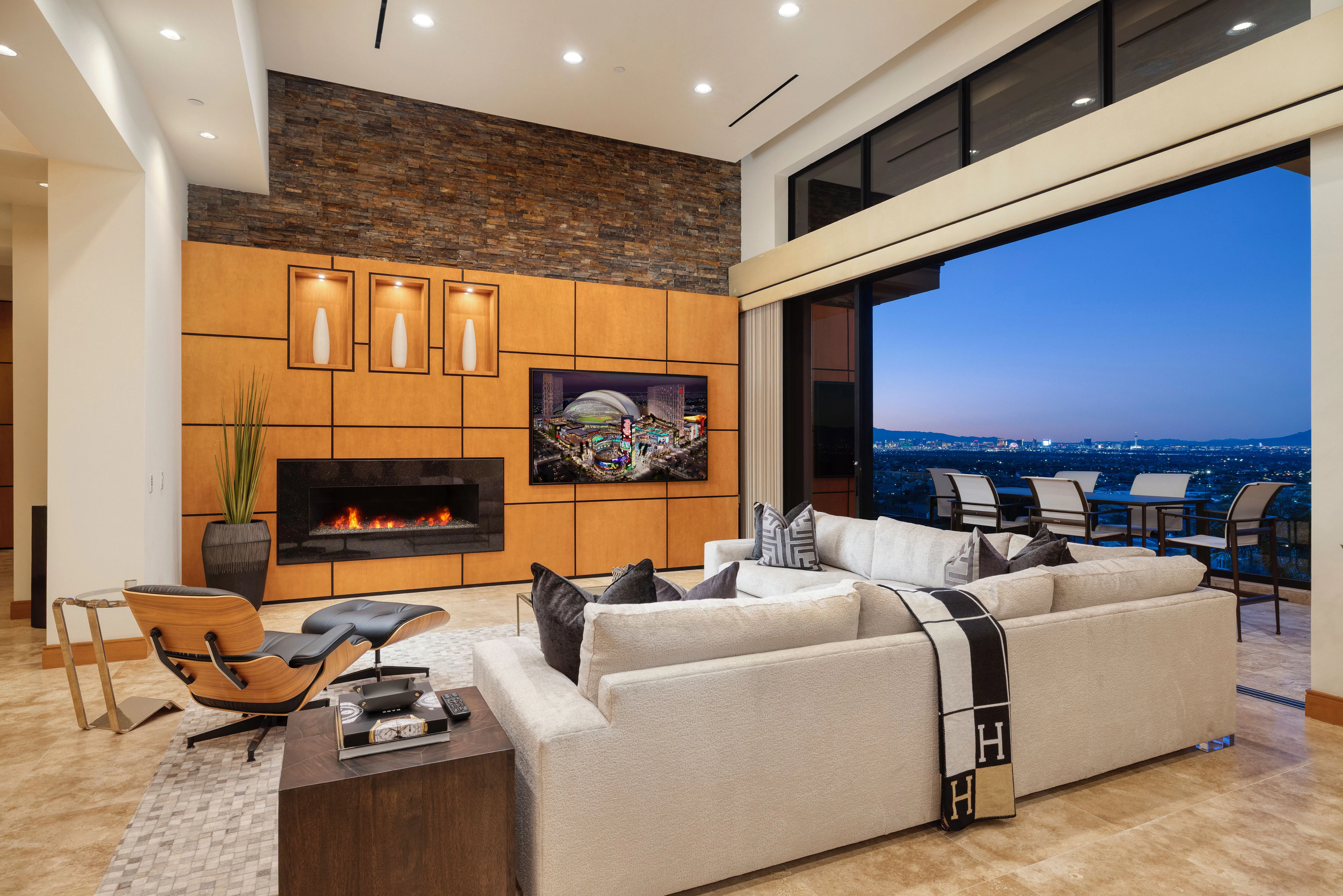
1548 Pleasant Bay Court
Henderson, NV 89011
$4,500,000
Gene Northrup | 0037249
1492 MacDonald Ranch Drive
Henderson, NV 89012
$9,450,000
Natalia Harris | 0192064
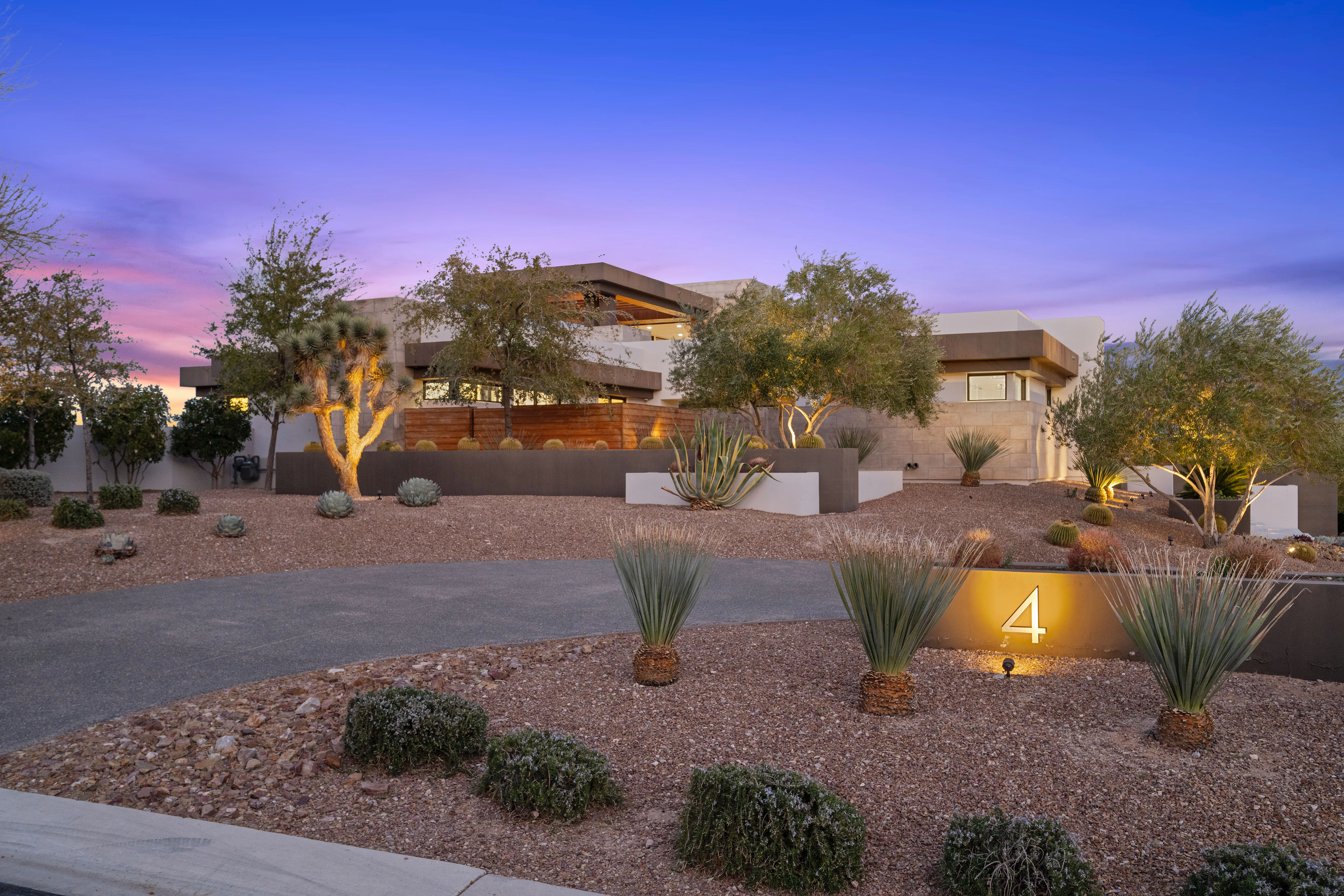
4 Soaring Bird Court
Las Vegas, NV 89135
$17,500,000
Randy Char | 0143566
571 Grand Rim
Henderson, NV 89012
$20,000,000
Ben Harris | 0192064
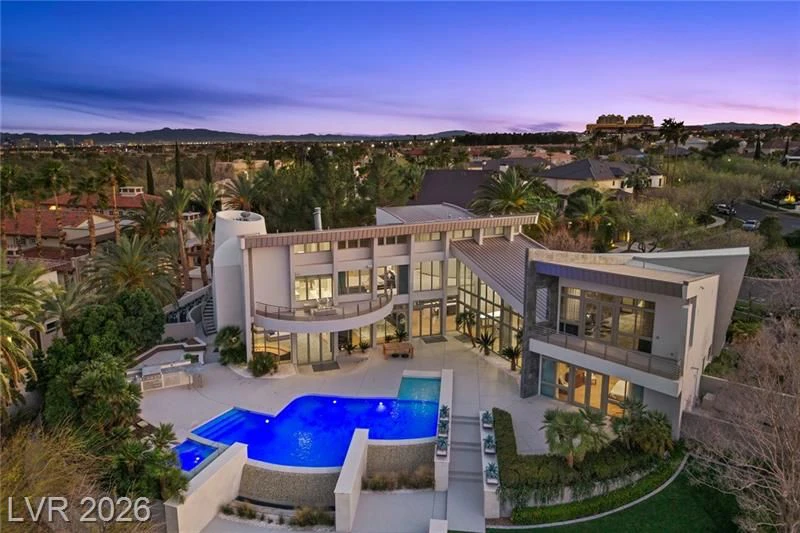
4855 Blushing Hills Street
Las Vegas, NV 89135
$2,400,000
Kaori Nagao-Chiti | 0145932
11436 Opal Springs Way
Las Vegas, NV 89135
$4,200,000
Randy Char | 0143566
1 Hughes Center Drive U-1901
Las Vegas, NV 89169
$6,900,000
Randy Char | 0143566
1108 Pine Island Court
Henderson, NV 89011
$6,750,000
Randy Char | 0143566
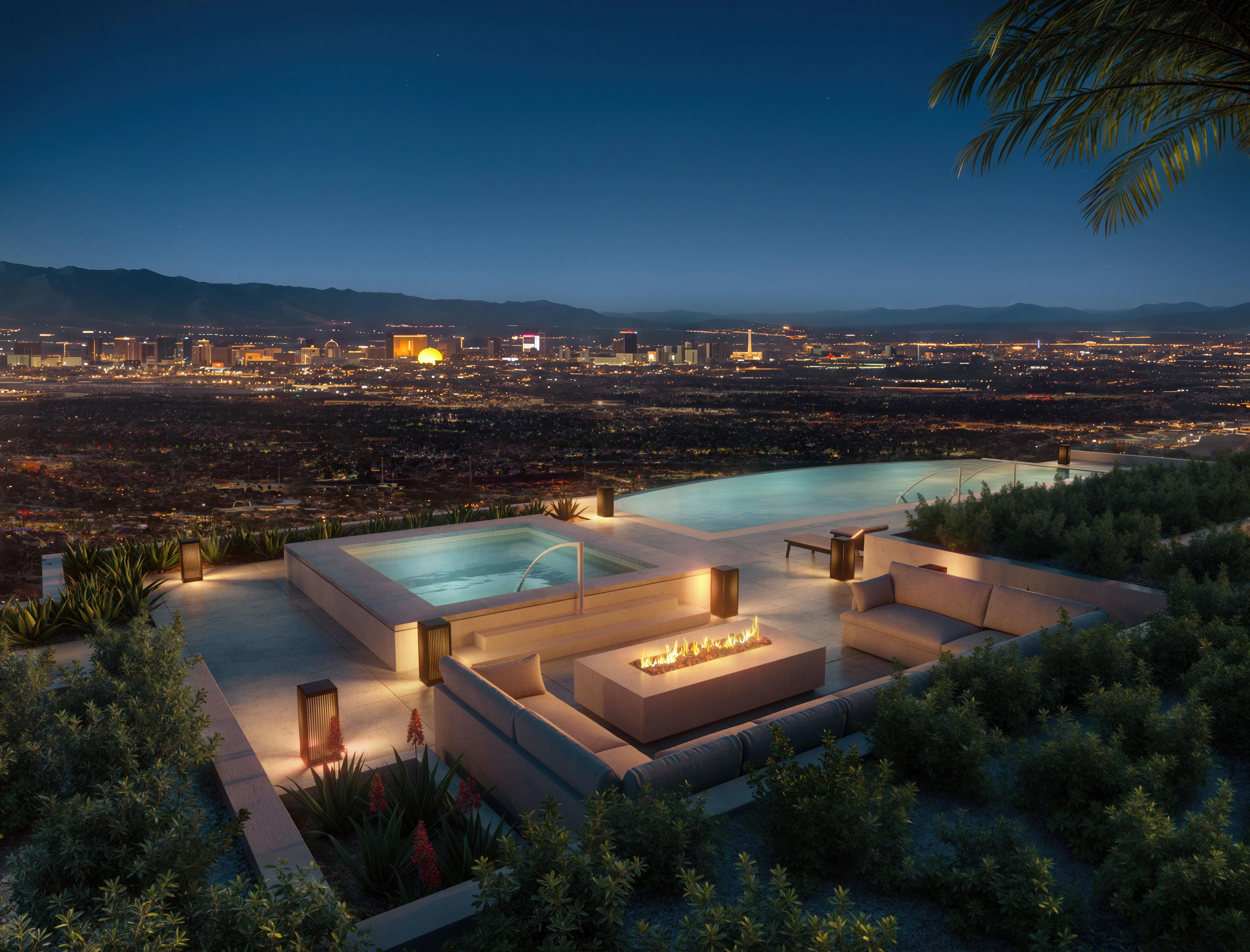
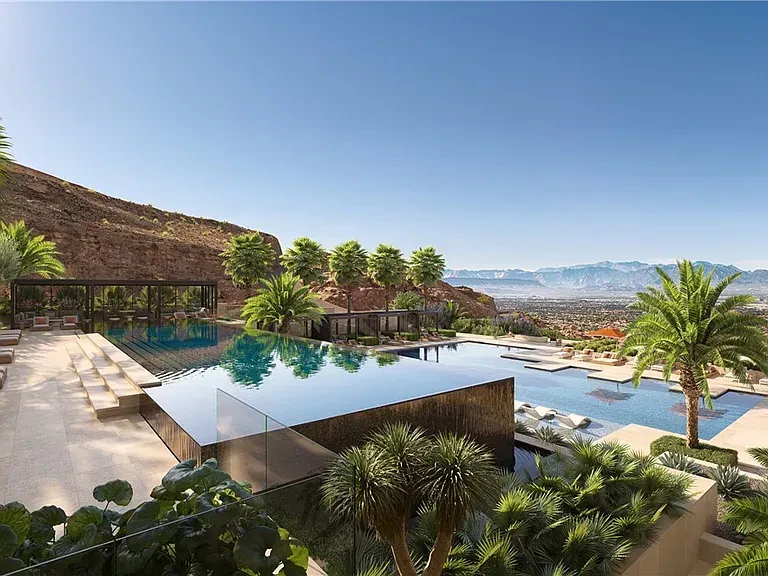
410 Rock Peak Drive U-2402
Henderson, NV 89012
$35,000,000
Craig Eddins| 0201697
410 Peak Drive S-1805
Henderson, NV 89012
$8,950,000
Craig Eddins | 0201697

Lifestyle Benefits
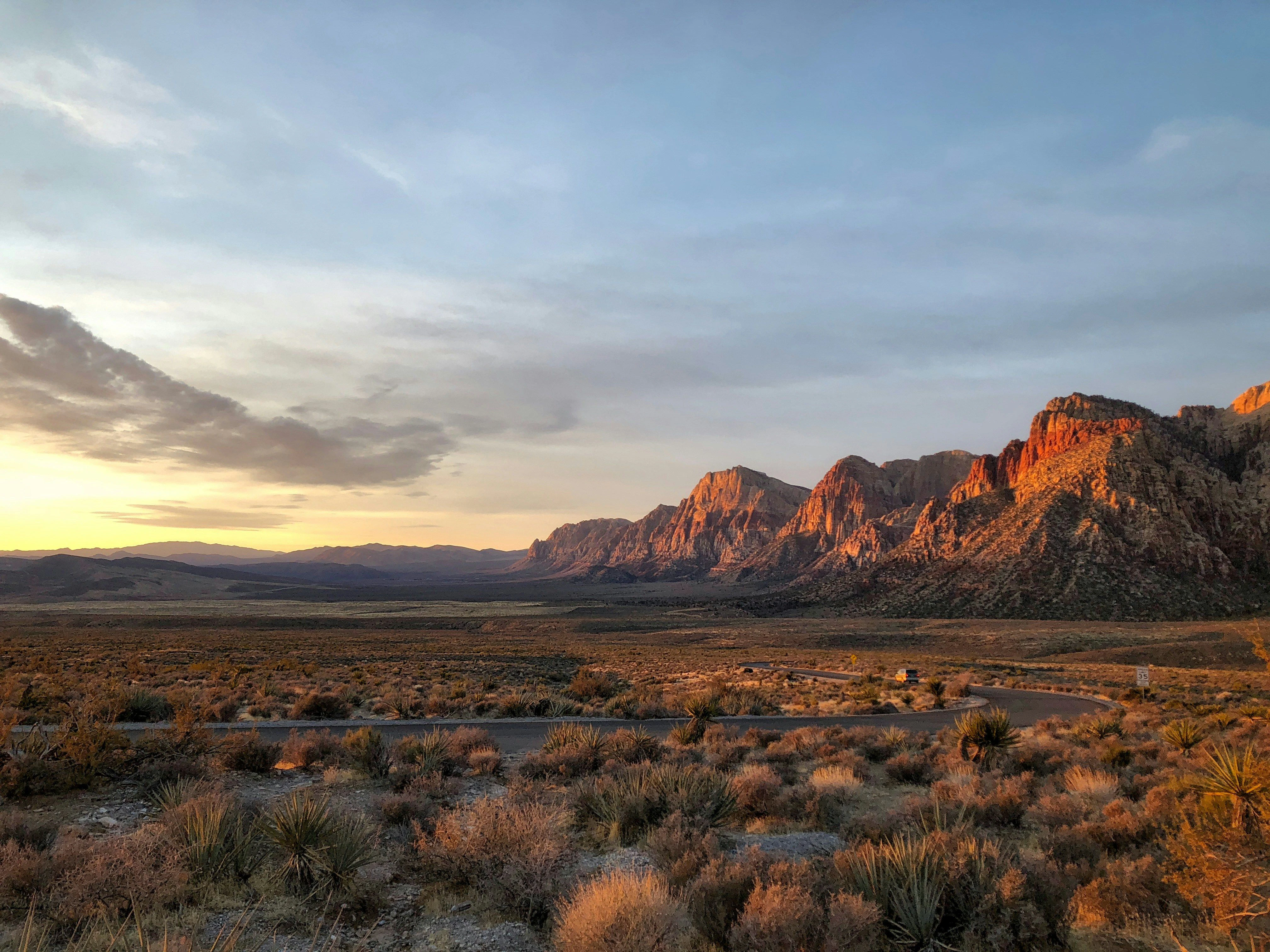
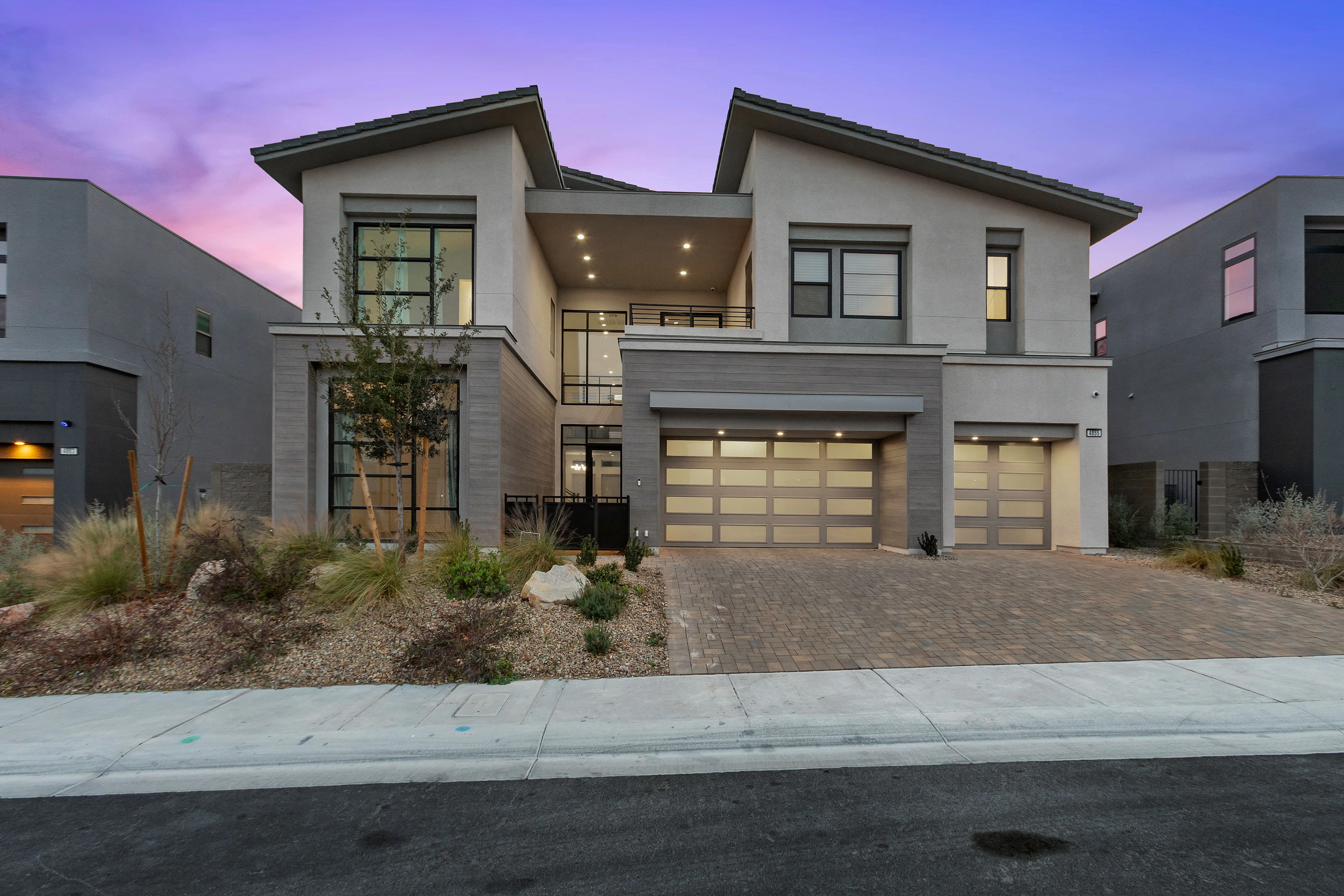
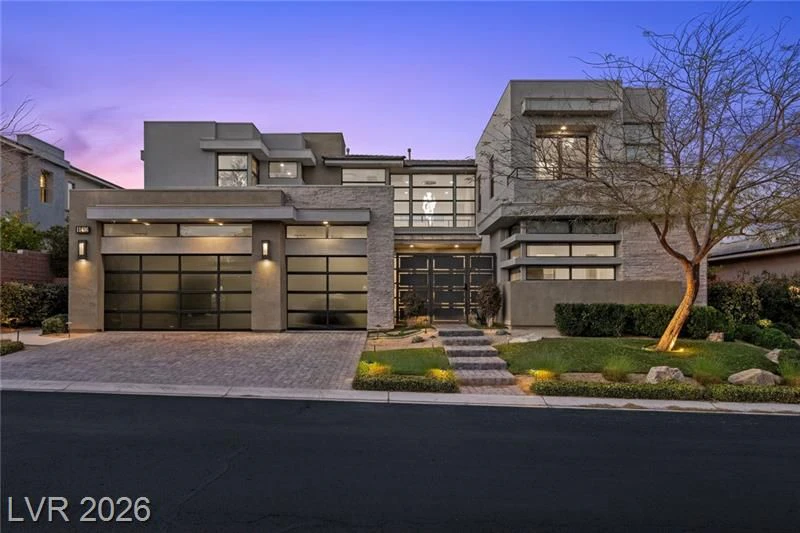
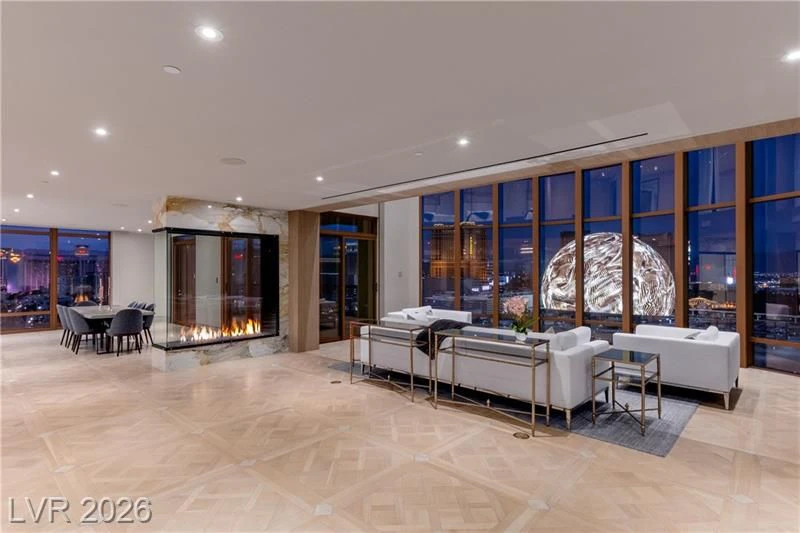
The region offers an appealing balance of vibrant city energy and resort-style living. From modern high-rise residences to custom estates in master-planned golf communities, Southern Nevada provides diverse housing options designed for both primary and secondary homeowners. With continued population growth, expanding professional sports and entertainment offerings, and convenient access to outdoor destinations such as Red Rock Canyon and Lake Mead, Las Vegas has evolved into a compelling choice for affluent consumers looking to relocate, invest, or establish a second home.
300+ Days of Sunshine
Southern Nevada’s warm desert climate allows for year-round outdoor living and recreation.
World-Class Entertainment & Dining
Global culinary destinations, luxury resorts, concerts, shows, and professional sports including the NFL, NHL, WNBA, and Formula One.
Red Rock Canyon National Conservation Area
Minutes from Summerlin, offering hiking, rock climbing, cycling, and scenic drives.
Lake Mead Recreation Area
Boating, paddle boarding, fishing, and waterfront recreation just outside the city.
70+ Golf Courses & Private Country Clubs
Including premier golf communities throughout Summerlin, Henderson, and the Las Vegas Valley.


Culture & Community
For buyers relocating from Washington and other high-cost markets, Southern Nevada offers a compelling combination of lifestyle and financial benefits. Nevada’s tax structure—including no personal state income tax, combined with comparatively attainable luxury real estate, allows many buyers to expand their purchasing power while maintaining a high quality of life. Communities such as Summerlin and Henderson offer thoughtfully planned neighborhoods, outdoor recreation, and modern homes that appeal to both primary residents and second-home buyers.
Master-Planned Communities
Areas like Summerlin and Henderson feature parks, trails, community centers, and neighborhood events designed for families.
Access to Outdoor Adventure
Hiking, biking, skiing at Mount Charleston, and nearby national parks and waterways like Lake Mead and the Colorado River in the Grand Canyon encourage active family lifestyles across all seasons of the year.
Growing Sports Culture
Professional teams and major sporting events create strong community pride and family entertainment.
NFL - Las Vegas Raiders: Began play at Allegiant Stadium in 2020.
NHL - Vegas Golden Knights: Established in 2017, won the Stanley Cup in 2023.
WNBA - Las Vegas Aces: Back-to-back WNBA champions.
MLB - Athletics (A's): Moving to Las Vegas, with a stadium planned on the Strip, and currently, the Las Vegas Aviators (Triple-A) play in Summerlin.
NBA: Las Vegas is a leading candidate for a new NBA expansion team, with the league expected to vote on exploring expansion this year.
Family-Friendly Attractions
Museums, performing arts venues, festivals, and seasonal events throughout the valley.
Convenient Travel & Connectivity
Direct flights to major U.S. and international cities make it easy for families to travel and stay connected.
Tax Benefits
Arizona's tax environment is one of the most compelling in the Sun Belt — and increasingly, one of the key reasons individuals, families, and businesses are choosing to relocate here from higher-tax states like California, New York, and Illinois. With a flat income tax rate, no estate or inheritance tax, and a relatively low overall tax burden, Arizona offers meaningful financial advantages that compound over time, making the decision to move not just a lifestyle choice, but a smart financial one.
- No State Income Tax: Nevada has zero state income tax, period. For a household earning $300,000 annually relocating from California, this alone can represent $25,000–$35,000 or more in annual savings, a life-changing financial shift.
- No Estate or Inheritance Tax: Like Arizona, Nevada imposes no estate or inheritance tax, making it an exceptional state for wealth preservation and multigenerational financial planning.
- No Tax on Social Security or Retirement Income: Nevada taxes no form of retirement income, not Social Security, not pensions, not IRA or 401(k) distributions, giving retirees maximum control over their income.
- No Corporate Income Tax: Nevada levies no corporate income tax and no franchise tax on income, making it one of the most attractive states in the nation for business formation and headquarters relocation.
- No Capital Gains Tax: Because Nevada has no state income tax, there is no state-level capital gains tax either. Investors, business owners, and those realizing large liquidity events keep significantly more of their gains.
- Competitive Property Taxes: Nevada's effective property tax rate is among the lowest in the West, and the state caps annual increases in assessed value — providing long-term predictability for homeowners.
- Strong Asset Protection Laws: Nevada has some of the most creditor-friendly and asset protection trust laws in the country, making it a preferred domicile for high-net-worth individuals looking to protect and structure their wealth.
Low Overall Tax Burden — Nevada consistently ranks in the top five nationally for lowest overall tax burden, regularly appearing on Tax Foundation "best states for taxes" lists alongside Wyoming, South Dakota, and Florida.


Getting There
Transportation to Nevada (airlines and airports): Airlines flying from SeaTac Airport to Harry Reid International Airport are Alaska Airlines, Delta Air Lines, Southwest Airlines, Frontier Airlines, and American Airlines. Las Vegas is one of the most accessible destinations in the United States. Harry Reid International Airport is among the busiest airports in the country and provides nonstop service to more than 170 destinations worldwide on over 30 airlines.
Additionally, private aviation will enjoy full service FBO. The closest private aviation facility to Summerlin is the Summerlin Medical Center Heliport (0NV1), a private-use helipad located within the community. For private jet travel, residents typically use North Las Vegas Airport (VGT) or Henderson Executive Airport (HND), both of which offer full-service FBOs, private terminals, and lounges.
This connectivity makes Las Vegas an ideal location for second-home owners, business travelers, and international buyers who require convenient access to major global markets.
Request a Private Consultation
If you're seeking an advisor to guide you through your move to destination markets,
our team can connect with a local real estate expert.